
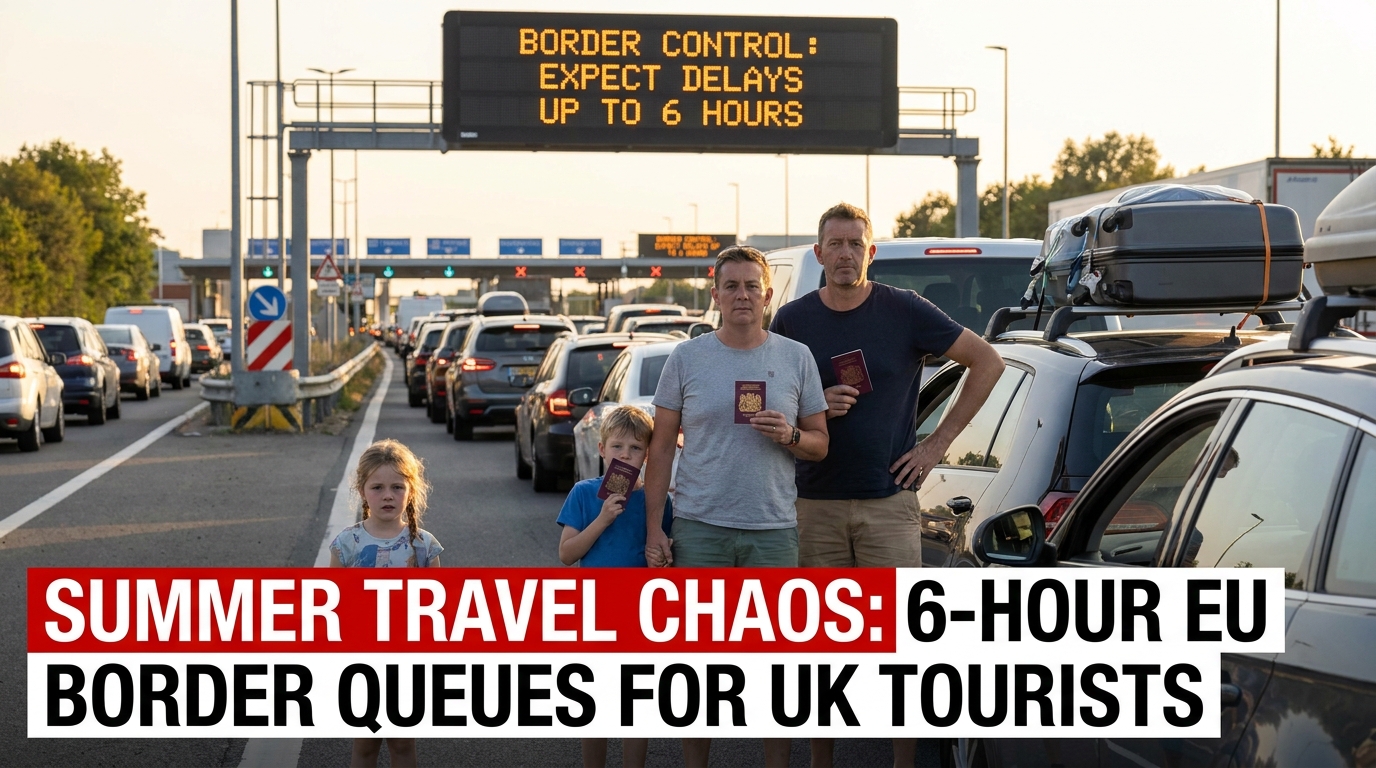
British travellers are hitting 6-hour queues at EU borders in summer 2026 and the culprit is a new biometric border system that most people didn’t even know existed until they were stuck in it. If you’re planning a Europe trip, this is the one article that could save your holiday.

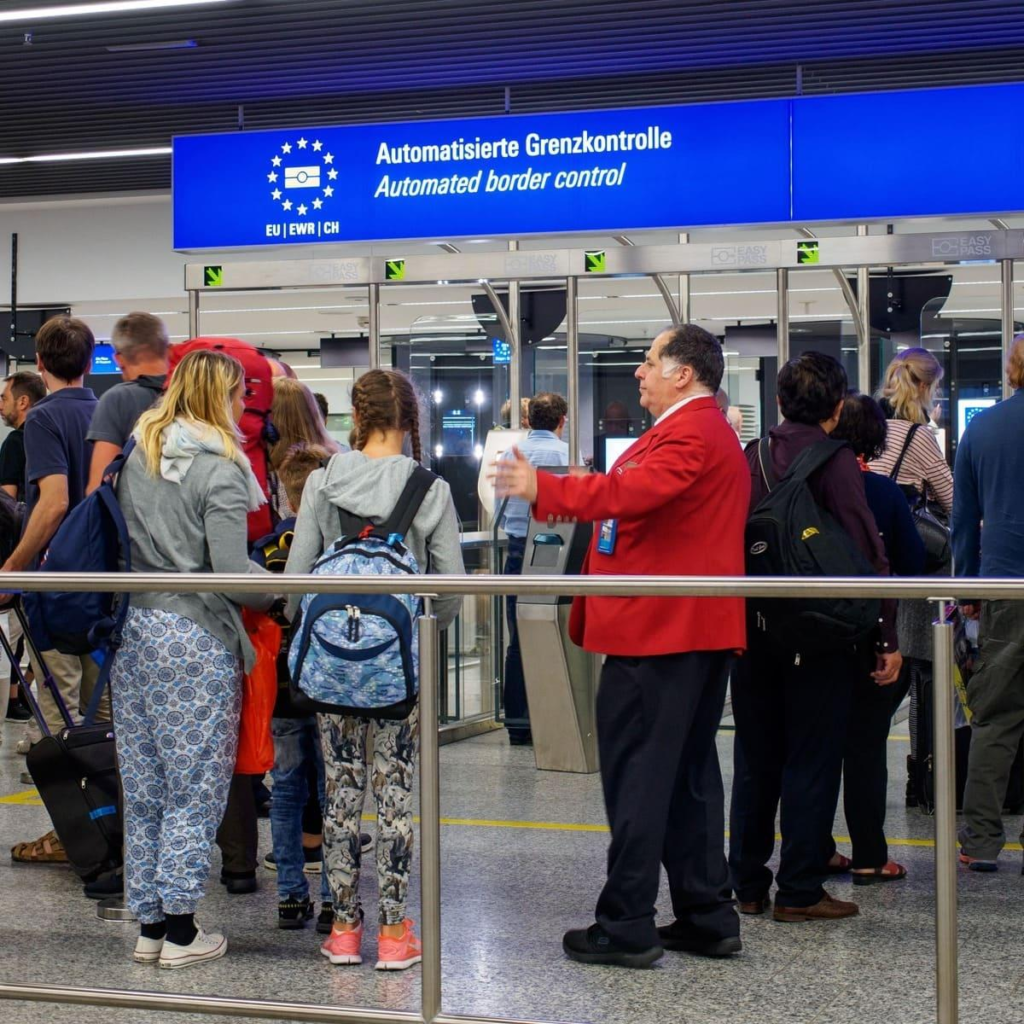
What Is the EES and Why Is It Causing Chaos Right Now?
The EU’s Entry/Exit System (EES) has been fully live across the Schengen zone since April 2026, after a phased rollout starting late 2025.
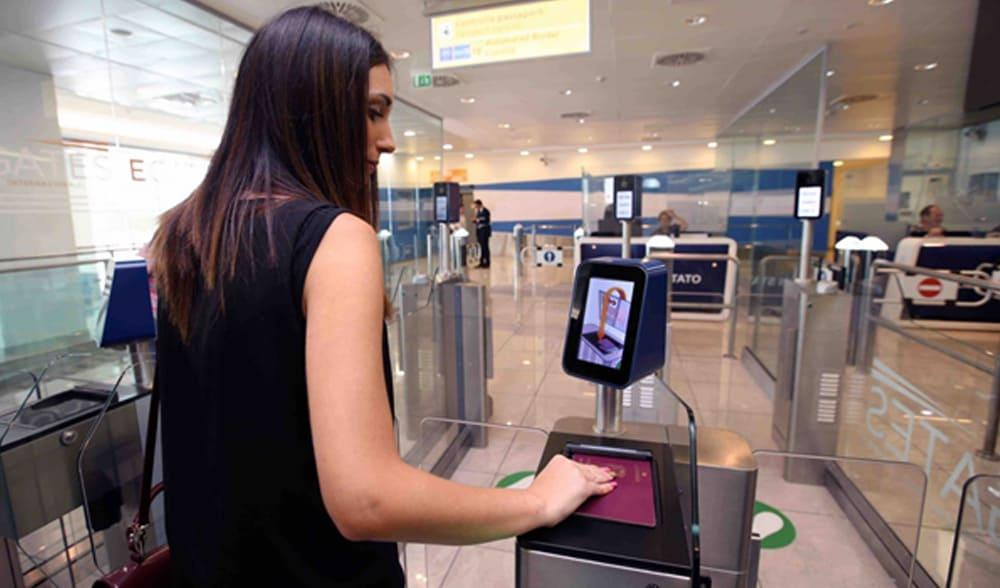
It replaces the old passport stamp with something far more involved. Your fingerprints and facial image are now captured and stored digitally every time you cross an EU border for the first time.
Here’s the problem: millions of British tourists are hitting this system for the first time this summer, all at once, at the same airports, ports, and train stations, during peak holiday season.
That is the recipe for the chaos unfolding right now.
Also read – Tripadvisor’s Most Popular Summer Destinations for 2026
What Exactly Is Happening at EU Borders Right Now?
The situation is serious and already happening, not just a forecast:
- Airports in Spain, Italy, and Greece are reporting passport control queues of 2 to 3 hours, with some terminals temporarily pausing biometric checks just to clear backlogs
- Dover Port saw drivers waiting up to 6 hours to clear border checks during the late May 2026 bank holiday weekend, as biometric processing slowed every single car and coach
- Folkestone, Eurostar at London St Pancras, and other Channel crossing points are under similar pressure
- Passengers at some airports missed their flights even after arriving at the terminal well before the standard recommended timeReal situation: A family travelling from a busy Spanish airport joined what looked like a normal queue, only to realise 45 minutes in that it was not moving because EES kiosks had frozen. They watched their departure gate close. Nobody warned them at check-in.
Why British Tourists Are Hit Harder Than Any Other Nationality
Post-Brexit, UK passport holders are third-country nationals under EU law. That means:
| Traveller Type | Border Lane | EES Required? |
|---|---|---|
| EU passport holder | E-gate / fast lane | No |
| Dual UK and EU passport | EU e-gate | No |
| UK-only passport holder | Third-country line | Yes, mandatory |
British citizens with only a UK passport must join the non-EU queue and that is where EES registration happens. First-time enrolment takes multiple steps: fingerprint scan, facial recognition, document verification. Every single person.
Older travellers and those with reduced mobility face an extra layer of difficulty. The biometric kiosks are often located far from main concourses and require repeated scanning steps.

Which Airports and Ports Are the Worst Right Now?
Not every airport is equally chaotic and that detail matters when booking:
Currently struggling most:
- Major Spanish holiday gateways (Malaga, Palma, Tenerife South)
- Popular Greek island airports (Corfu, Rhodes, Heraklion)
- Italian leisure hubs (Naples, Catania)
- Dover Port and Folkestone Channel Tunnel terminal
Reportedly managing better:
- Larger hub airports that invested early in kiosks and staff training
- Smaller regional airports where flight volumes are lower
The key insight: Even two terminals in the same country can give you a completely different experience on the same day depending on staffing and kiosk setup.
Also read – Genius Alternatives for Overcrowded Tourist Destinations
How Long Should British Travellers Arrive Before Their Flight?
Airlines have already updated their official guidance. The old “2 hours is enough” rule no longer applies for UK passport holders at EU airports.
| Journey Type | Old Advice | New Recommended Arrival |
|---|---|---|
| Flying to or from EU (short haul) | 2 hours before | 3 hours minimum |
| Dover to France by car or ferry | 90 minutes before | Allow 4 to 6 hours buffer |
| Eurostar from London St Pancras | 45 to 60 minutes | 90 to 120 minutes minimum |
| Flying via busy hub (Spain, Greece) | 2 hours | 3 to 3.5 hours |
Budget carriers with large UK leisure networks are now formally recommending 3 hours for Schengen-area departures, not as a suggestion but as a precaution.
7 Things British Tourists Must Do Before Their Summer Europe Trip
These are practical steps being shared by travel industry insiders, not generic advice:
- Check your passport is valid for the full duration of your stay. Post-Brexit rules changed how validity is calculated
- Remove your passport cover or case before reaching the scanner. Hard cases cause reading errors and send you to a manual booth, adding 20 to 40 minutes
- Arrive earlier than you think you need to. The queue builds fast when multiple non-EU flights arrive in the same 30-minute window
- Have all documents out and ready before you join the border queue. Fumbling at the kiosk slows everyone and some guards will redirect you to a manual desk
- Consider off-peak travel days. Midweek flights and early-morning departures are currently seeing noticeably shorter waits
- Look up your specific airport’s EES readiness. Travel forums like TripAdvisor and Facebook holiday groups are real-time goldmines for current queue reports
- Check if fast-track border services are available at your destination. Some airports offer paid priority lanes that bypass the general EES queue entirely
Does EES Get Faster After Your First Trip to Europe?
Yes, but there is a catch.
Once your biometrics are enrolled on first entry, subsequent trips are faster because your data is already in the system. The heavy processing only applies to first-time registration.
The catch: Millions of British tourists have not been through the system yet. So this entire summer of 2026 is essentially a mass first-time enrolment period, which is exactly why queues are so severe right now and why warnings are being issued specifically for this season.
Authorities expect things to ease once the bulk of frequent UK travellers have their data stored, but that relief is realistically late 2026 at the earliest.
Also read – St. Lucia Vs Barbados 2026: The Honest Insider Comparison
Does EES Change How Long You Can Stay in Europe?
No, the 90-day rule has not changed but the way it is monitored is now completely different.
- Before EES: Passport stamps, largely honour-based, easy to lose track of
- After EES: Automatic digital record of every entry and exit, cross-checked in real time
What this means practically: If you overstay your 90 days in any 180-day rolling period, the system will flag it automatically. There is no more “I lost the stamp” excuse. Repeat visitors need to track their days carefully.
Will EU Border Queues Get Better or Is This the New Normal?
EU authorities insist that once technical issues are resolved and enrolment is widespread, EES should actually make crossings faster and more predictable in the long run.
Industry groups and IATA (the global airline body) have publicly warned that without urgent improvements to kiosk infrastructure, staffing, and terminal layouts, the bottlenecks will persist through the entire 2026 summer peak.
The structural issue is real. Legacy terminals simply were not built to accommodate today’s biometric check-in requirements, especially at ports like Dover where every vehicle in a convoy must be processed before anyone boards.
What British Tourists Want to Know Right Now
Do I need to register for EES before I travel?
No. Registration happens automatically at the border on your first crossing. You cannot pre-register from home.
Can UK citizens use e-gates at EU airports?
No. UK passport holders must use the third-country national desks where EES biometric processing takes place.
Does EES apply to Eurostar and ferries too?
Yes. EES applies at all UK-EU crossing points including air, sea, and rail.
What if I have a dual UK and EU passport?
Use your EU passport. You will be treated as an EU national and can use fast-track e-gates with no EES processing.
Is EES a permanent system or temporary?
Permanent. It is now the standard system for all non-EU nationals entering the Schengen zone going forward.
The Bottom Line for Your Summer 2026 Europe Trip
Arrive earlier. Have documents ready. Know your airport. The EES is live, it is creating real delays, and the peak of disruption is happening right now. Passengers who go in informed are getting through fine. The ones who do not are missing flights and ruining holidays.
Build at least an extra hour into every border crossing estimate and treat the 3-hour airport rule as a hard minimum, not just a cushion.