A pet passport is an official travel document for dogs, cats and ferrets, but in 2026 not every traveller can get or use one. EU residents can usually get an EU pet passport from an authorised vet, while travellers from the United States, Great Britain and many non-EU countries usually need an animal health certificate instead.
That is the detail most pet owners miss. People search “how to get a pet passport” expecting one simple document, but the real answer depends on where you live, where your pet is travelling, and whether your pet is a dog, cat or ferret.
A pet passport is helpful because it keeps key travel details in one place: microchip number, rabies vaccination, owner details, vet details and some treatments. But it is not a magic document. If the rabies vaccine is out of date, the microchip was recorded incorrectly, or the wrong vet completed the wrong section, your pet can still be refused travel.

What Is a Pet Passport?
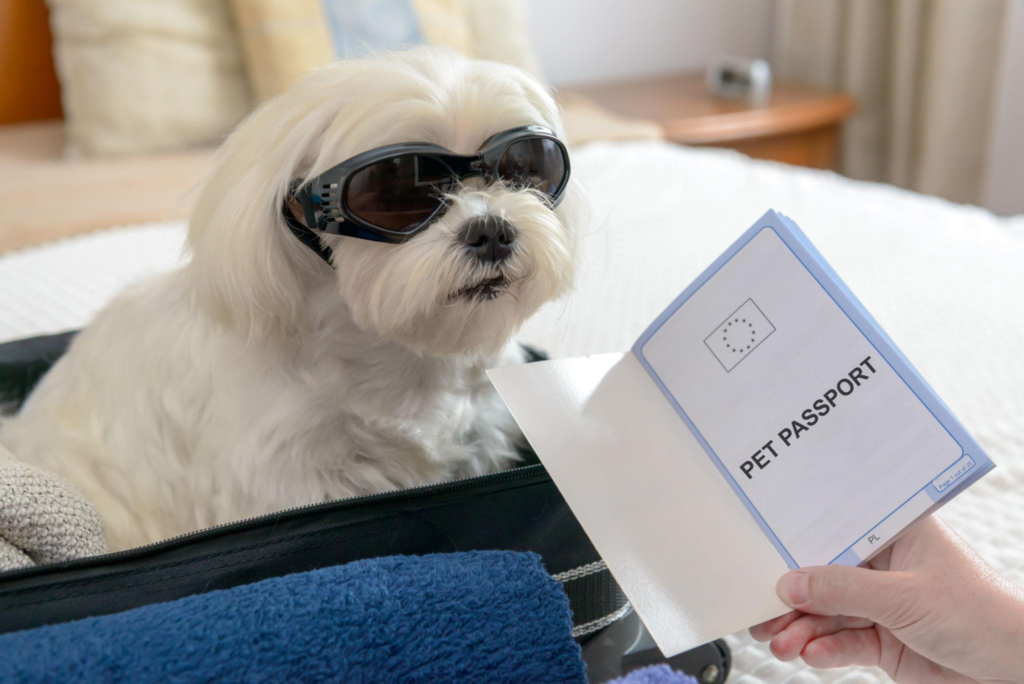
A pet passport is a recognised document that proves a dog, cat or ferret meets travel health rules. In the European Union, it follows a standard format and is mainly used for travel between EU countries.
According to the European Union’s pet travel guidance, a European pet passport includes:
- Your pet’s description
- Microchip or tattoo code
- Rabies vaccination record
- Other animal health records
- Owner contact details
- Vet details and official entries
The most important thing to know: an EU pet passport is valid for life only if the rabies vaccination and required health entries stay valid.

Who Can Get a Pet Passport in 2026?
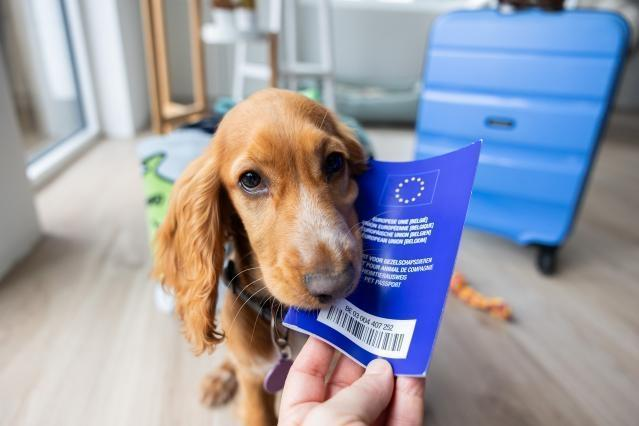
EU pet passports are generally issued to pet owners who are resident in the EU. That means a holidaymaker from the United States or Great Britain cannot simply land in Paris, visit a vet, and expect to get a reusable EU pet passport for future trips.
Here is the simple version:
| Traveller situation | Can you use an EU pet passport? | What you usually need |
|---|---|---|
| EU resident travelling within the EU | Yes | EU pet passport |
| U.S. traveller going to the EU | Usually no | EU animal health certificate |
| Great Britain resident going to the EU | No for EU entry from GB | Animal Health Certificate |
| Northern Ireland pet owner | Different rules apply | Check NI and EU rules |
| EU resident returning to EU from abroad | Often yes, if entries are valid | EU pet passport may work |
| Travelling with birds, rabbits or reptiles | No EU dog/cat/ferret passport | Country-specific documents |
The USDA APHIS pet passport guidance also makes this clear for American pet owners: an EU pet passport cannot be obtained in the United States.
Pet Passport vs Animal Health Certificate: What Is the Difference?
A pet passport is reusable, while an animal health certificate is usually trip-specific. This is the difference that affects both cost and planning.
| Document | Best for | Validity | Who issues it |
| EU pet passport | EU residents and eligible returning EU pets | Valid for life if health entries stay current | Authorised EU vet |
| EU animal health certificate | Pets entering EU from many non-EU countries | Usually valid 10 days for EU entry, then up to 6 months for EU movement | Official or authorised vet, often endorsed by government |
| UK Animal Health Certificate | GB residents travelling to EU | Single-use for each trip from GB to EU | Official Veterinarian in Great Britain |
| Export health certificate | Non-EU or special destination travel | Varies by destination | Official vet or government-authorised certifier |
Think of it this way: a pet passport is like a reusable travel record, while a health certificate is like a dated travel permission slip.

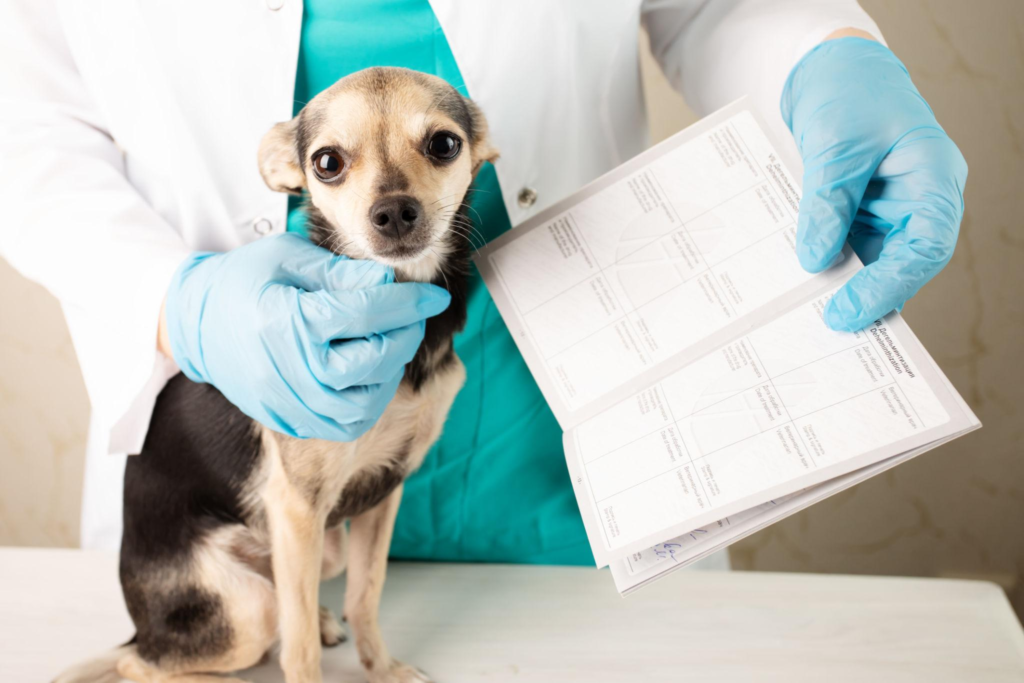
Do U.S. Pet Owners Need a Pet Passport?
U.S. pet owners usually do not need a pet passport because the United States does not issue EU pet passports. For EU travel, most U.S. owners need a health certificate completed by a USDA-accredited veterinarian and endorsed by USDA APHIS.
The official USDA APHIS international pet travel page recommends contacting a USDA-accredited veterinarian as soon as you decide to travel. This matters because some destinations require vaccines, tests or treatments that cannot be done at the last minute.
For a U.S. dog, cat or ferret going to the EU, the usual sequence is:
- Microchip first
- Rabies vaccination after microchip
- Wait at least 21 days after a primary rabies vaccine
- Vet completes the EU health certificate
- USDA endorses the certificate
- Pet enters through an approved EU travellers’ point of entry
Do not book the cheapest non-refundable flight until your vet confirms the timeline. A single wrong date can make the certificate unusable.
Do UK Pet Owners Still Have Pet Passports in 2026?
Great Britain residents should not rely on EU pet passports for travel into the EU in 2026. The UK government says GB residents travelling from England, Scotland or Wales to the EU should get an Animal Health Certificate for their dog, cat or ferret.
This changed because the EU tightened rules around who can use EU pet passports. The UK government’s 2026 pet travel update says EU pet passports may now only be issued to people whose main home is in the EU, and GB residents should no longer use them for entry into the EU.
For GB travellers, the key rule is simple:
- You need a new Animal Health Certificate for each trip from Great Britain to the EU.
- The certificate must be issued within the correct travel window.
- Once inside the EU, it can be used for onward EU travel for up to six months, as long as rabies vaccination remains valid.
A practical tip: ask the vet directly, “Are you using the current 2026 Animal Health Certificate template?” The UK government has noted that EU pet travel rules changed in 2026 and that certificate templates are changing during the transition period.

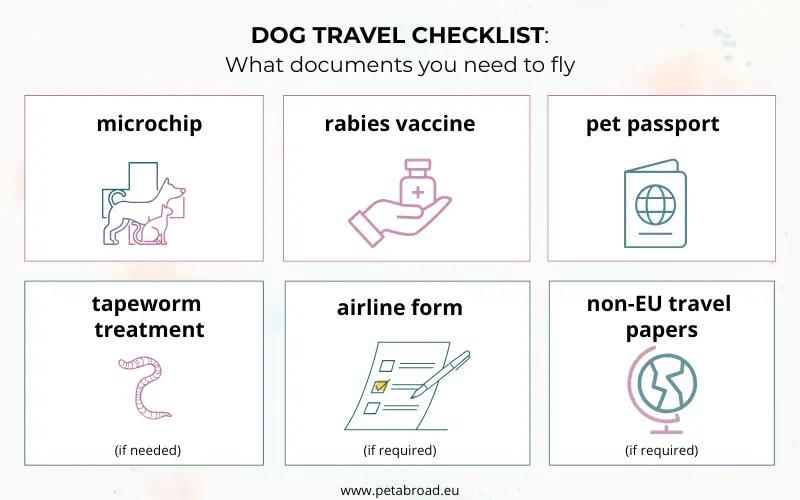
How Much Does a Pet Passport Cost in 2026?
A pet passport has no single global price because costs depend on the country, vet clinic, microchip status, rabies vaccine and extra treatments. The booklet itself may be inexpensive, but the full travel setup can cost much more.
Here is a realistic cost breakdown:
| Cost item | Typical situation | What to budget |
| EU pet passport booklet | EU resident getting passport from vet | Varies by country and clinic |
| Microchip | Needed if pet is not already chipped | Often charged separately |
| Rabies vaccination | Required for most dog, cat and ferret travel | Charged separately |
| Vet consultation | Needed to check records and issue documents | Varies widely |
| USDA endorsement | U.S. pets needing an endorsed health certificate | From $101 per certificate when no lab tests are required |
| UK Animal Health Certificate | GB to EU travel | Commonly charged by vet time and clinic pricing |
| Tapeworm treatment for dogs | Required for selected countries | Charged by vet, product and appointment |
The USDA APHIS endorsement fee table lists $101 per certificate when no laboratory tests are required. Fees increase when lab tests and multiple pets are involved.
In the UK, the government says there is usually no fee for the export certificate itself, but pet owners are normally charged for the certifier’s time. That is why two vet clinics in the same city can quote very different prices.
Hidden Requirement: Microchip Must Come Before Rabies Vaccine
The microchip must be implanted before, or at the same time as, the rabies vaccination for the vaccine record to count. This is one of the most common hidden problems in pet travel.
The European Commission’s rules for bringing pets into the EU state that the rabies vaccination date must not come before the microchip identification date.
That means this order matters:
- Microchip your pet.
- Make sure the chip number is readable.
- Vaccinate against rabies.
- Keep the original vaccine record.
- Match every document to the same chip number.
A real-world check: before paying for a health certificate appointment, ask your vet to scan the chip and read the number out loud. Compare it with every record. One wrong digit can create airport-level stress.
Hidden Requirement: The Rabies Waiting Period Can Delay Your Trip
A first rabies vaccination usually requires a waiting period before travel. For EU entry, pets must be at least 12 weeks old when vaccinated, and a primary rabies vaccination becomes valid only after the required waiting period.
For most travellers, the important number is 21 days after the primary rabies vaccination. A booster given on time is different because it may keep the vaccination continuously valid.
Do not plan a last-minute trip with a puppy. Even if an airline accepts the booking, the border rules may not.

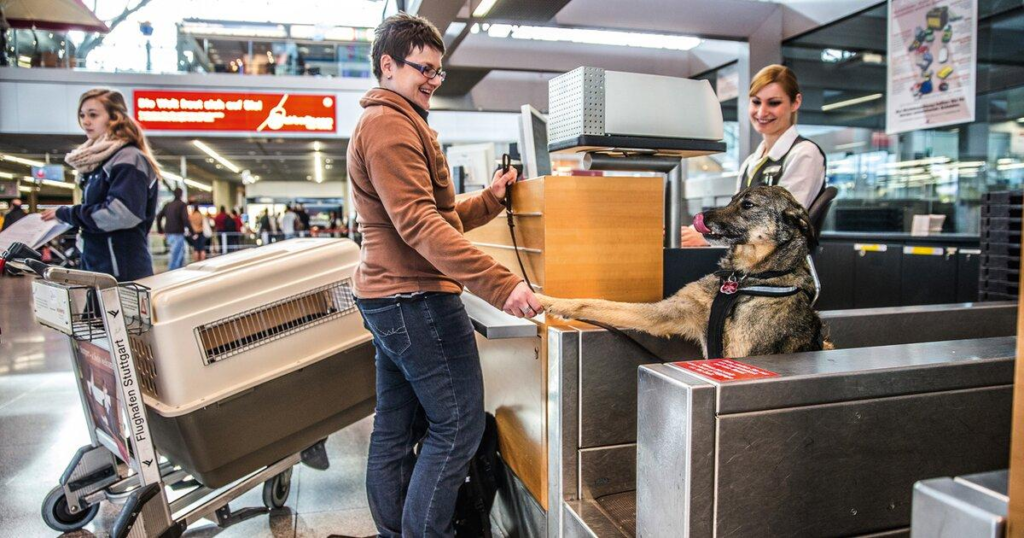
Hidden Requirement: Some Dogs Need Tapeworm Treatment
Dogs travelling to certain European destinations need tapeworm treatment before entry. This applies to dogs, not cats or ferrets.
The EU lists tapeworm treatment requirements for dogs travelling to:
- Finland
- Ireland
- Malta
- Norway
- Northern Ireland
The treatment must usually be given by a vet between 24 and 120 hours before entry and recorded in the pet passport or health certificate.
Great Britain also has tapeworm treatment rules for dogs entering the country, so check the UK government pet entry guide if your route includes England, Scotland or Wales.
Hidden Requirement: More Than Five Pets Can Change the Rules
Travelling with more than five dogs, cats or ferrets can move your trip into a different rule category. EU rules generally allow up to five pets for non-commercial movement. If you travel with more than five, you may need proof that the animals are going to a competition, exhibition or sporting event and that they are over six months old.
This matters for breeders, rescuers, relocation groups and families moving with several animals. Do not assume “they are my pets” is enough at the border.
How to Get a Pet Passport: Step-by-Step
EU residents can get a pet passport from an authorised veterinarian, but the pet must meet identity and vaccination rules. The Dutch government’s pet passport guidance says a European pet passport can be obtained from a vet and is valid for life.
Follow this process:
- Confirm your pet is eligible. EU pet passports are for dogs, cats and ferrets.
- Book an authorised vet. Not every vet may be authorised to issue passports.
- Scan the microchip. Make sure it works and matches existing records.
- Check rabies vaccination. The vaccine must be valid and correctly recorded.
- Ask the vet to complete every required section.
- Sign the owner section if required.
- Keep the passport safe with your own travel documents.
Good travel habit: take photos of every filled page and save them in cloud storage. If the booklet is lost, those copies will not replace the passport, but they help the vet and airline understand the record quickly.
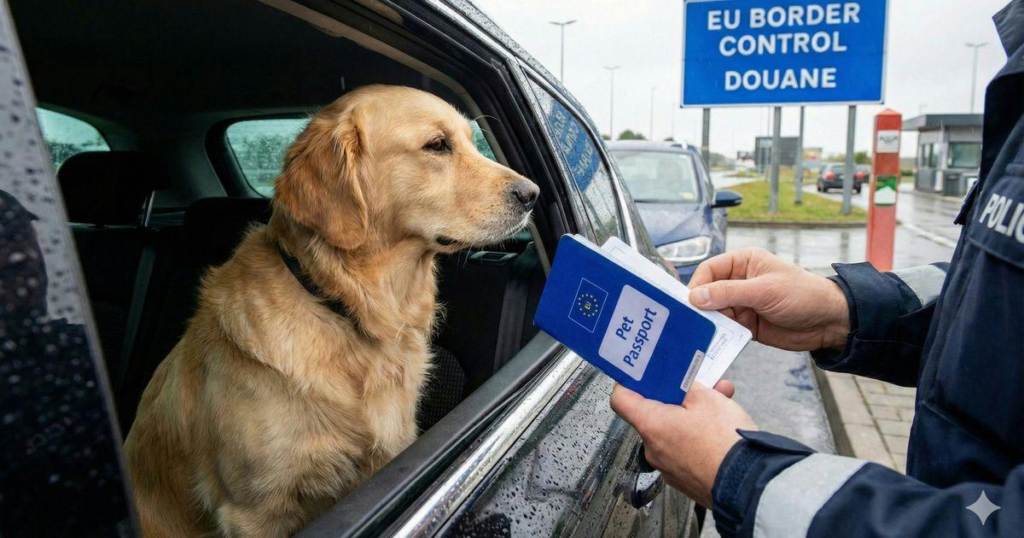
What to Do If You Lose a Pet Passport Before Travel
If you lose a pet passport, contact an authorised vet immediately and do not assume old photos are enough for travel. A replacement passport may be possible, but the vet must be able to verify the microchip and health records.
Do this in order:
- Call the vet that issued the passport.
- Ask whether they can issue a replacement.
- Bring your pet for a microchip scan.
- Bring rabies vaccine records and any past certificates.
- Confirm whether the rabies entry can be transferred or must be repeated.
- Call the airline before arriving at the airport.
Do not try to travel with screenshots only. Border staff need valid official documents, not just proof that a document once existed.
Pet Passport Mistakes That Can Ruin a Trip
Most pet travel problems come from paperwork, not the pet. These are the mistakes to avoid:
- Booking flights before checking document rules
- Rabies vaccine recorded before microchip date
- Wrong microchip number on the certificate
- Out-of-date rabies vaccination
- Missing tapeworm treatment for dogs
- Using a GB-issued pet passport for EU entry
- Letting a non-EU vet write in sections reserved for EU authorised vets
- Assuming airline rules are the same as border rules
- Forgetting U.S. return rules for dogs
For U.S. dog owners returning home, check the CDC dog import rules. All dogs entering or returning to the United States need a CDC Dog Import Form receipt, and dogs must meet age, health and microchip rules.
Final Answer: Is a Pet Passport Worth It?
A pet passport is worth it if you live in the EU and travel often with your dog, cat or ferret. It saves repeat paperwork, keeps health records in one place and makes cross-border travel easier when all entries are valid.
For U.S., Canadian, Australian and Great Britain travellers, the better question is not “How do I get a pet passport?” It is “Which health certificate does my pet need for this exact route?”
The safest rule is simple: check the official destination rules before booking, use an authorised vet, confirm the microchip first, and never leave rabies timing to the last week.