Key Highlights
- United Airlines flight returned to Los Angeles International Airport after reported fire indication
- Aircraft evacuated safely after landing
- No serious injuries reported
- Investigation underway into onboard issue
United Flight Makes Emergency Return to LAX After Fire Alert
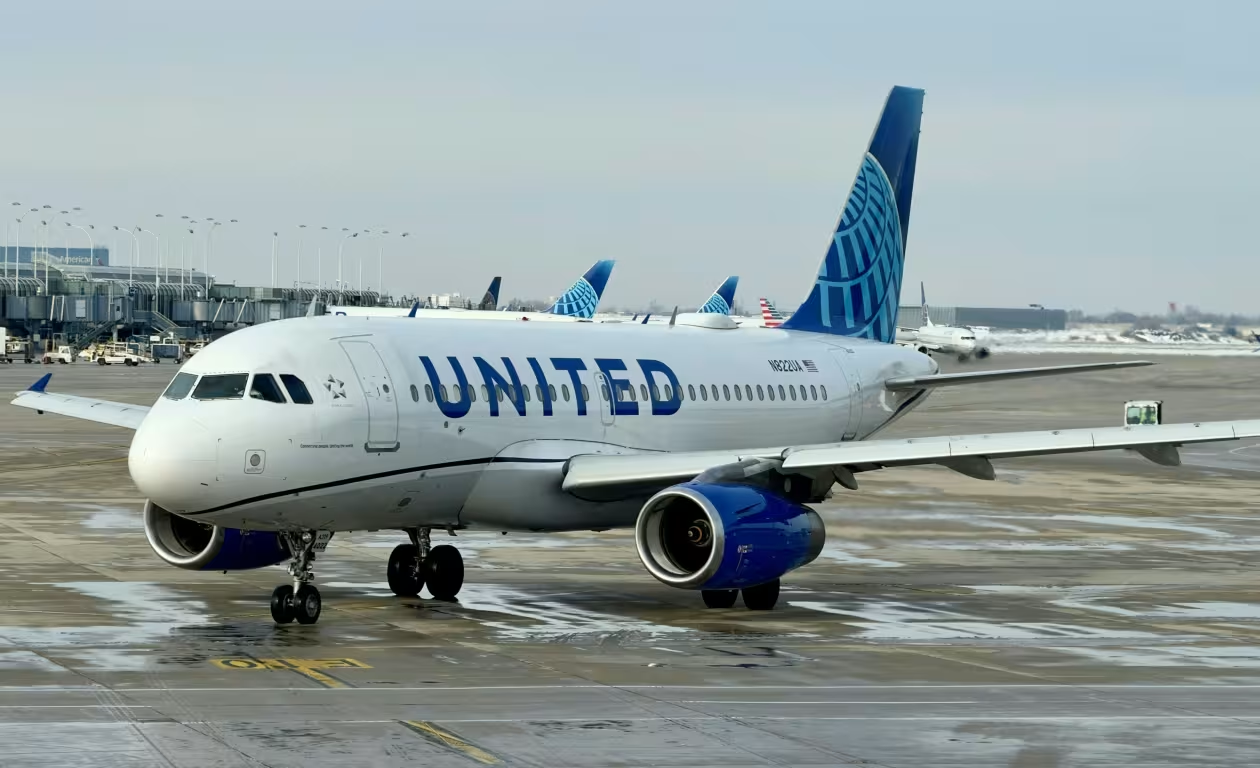
A United Airlines flight was forced to return to Los Angeles International Airport shortly after departure following a reported onboard fire indication. The aircraft landed safely and passengers were evacuated as a precaution, authorities confirmed.
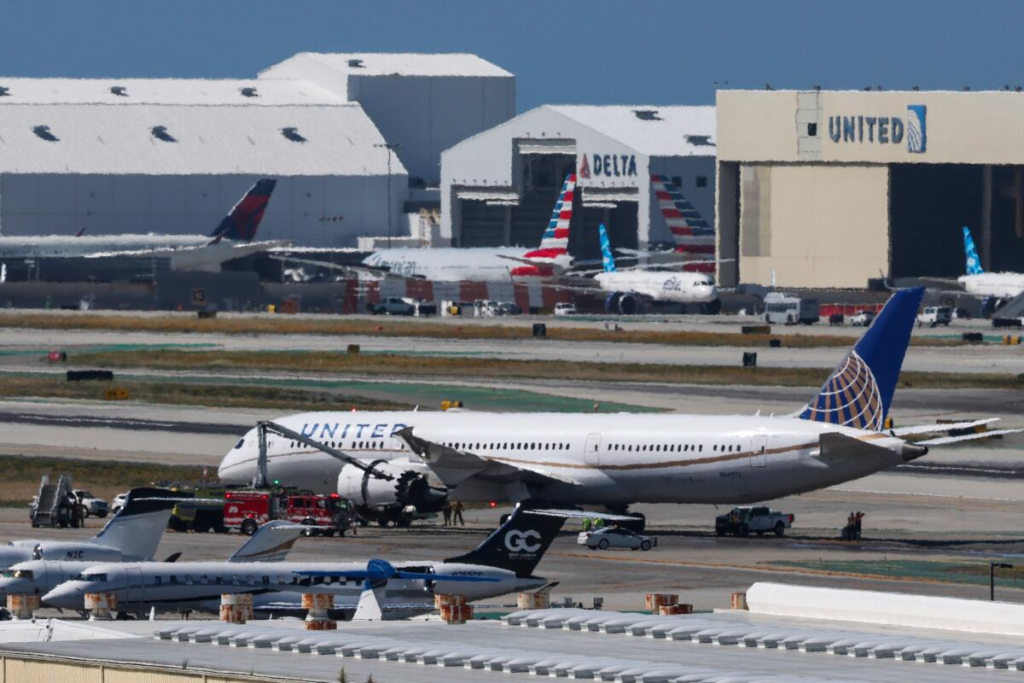
The incident triggered emergency response protocols at LAX, with airport fire crews meeting the aircraft upon arrival. Officials reported that all passengers and crew exited safely.

What Happened on the United Flight?
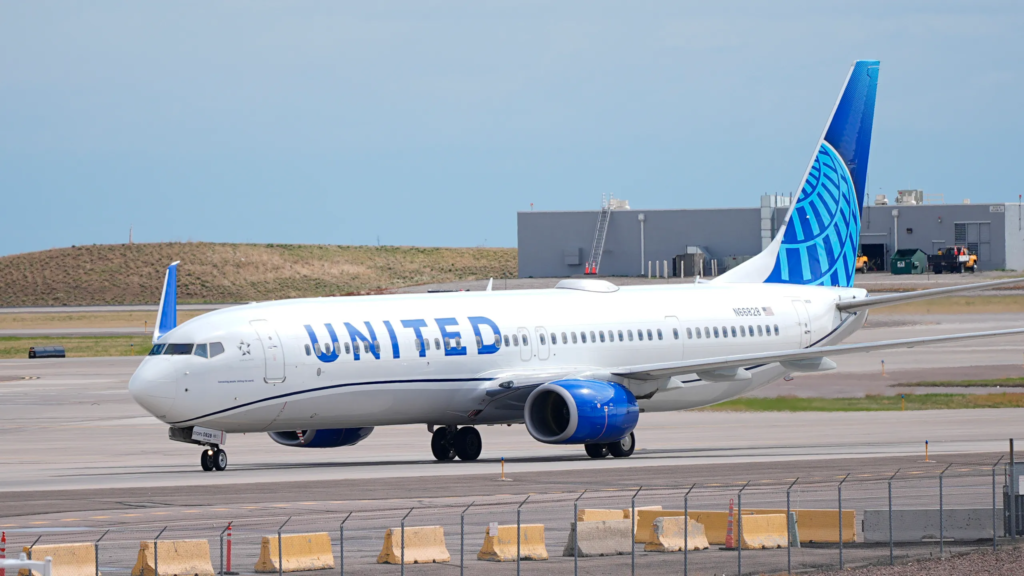
A United Airlines aircraft returned to LAX after pilots reported a possible onboard fire indication. The plane landed safely and passengers were evacuated as a precautionary safety measure.
Shortly after takeoff, flight crew received a warning related to a potential fire issue. Following standard aviation safety procedures, pilots declared the situation and coordinated with air traffic control to return to Los Angeles.
Upon landing, emergency vehicles escorted the aircraft. Passengers were evacuated using standard safety procedures while authorities assessed the aircraft.
No confirmed active flames were immediately reported publicly, but safety checks were conducted thoroughly before clearing the scene.

Where Did the Incident Occur?
The incident occurred at Los Angeles International Airport, one of the busiest aviation hubs in the United States.
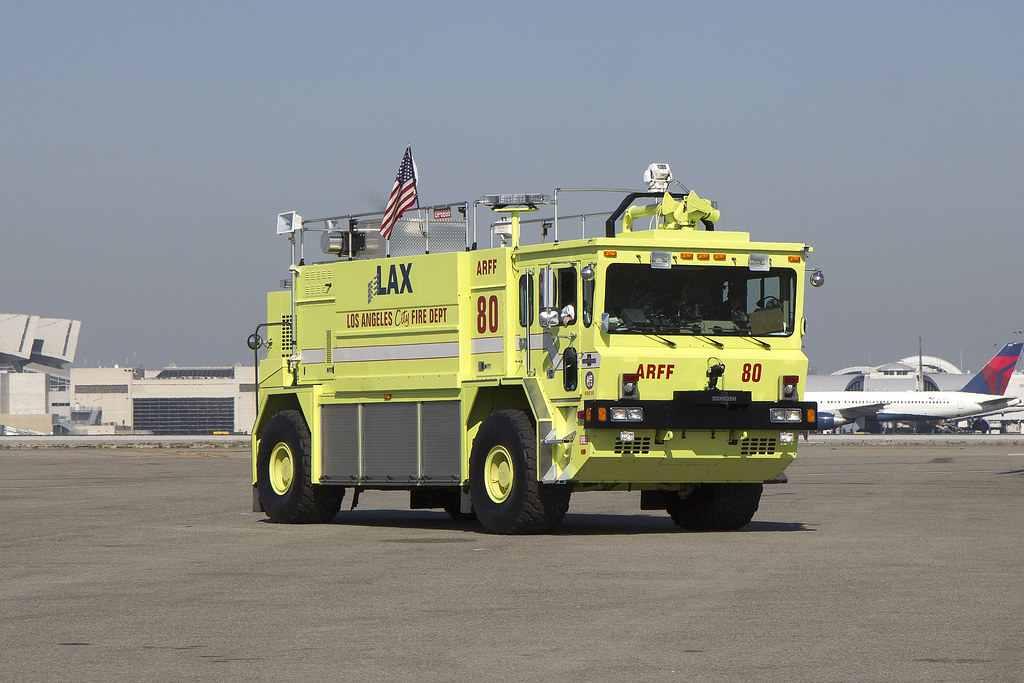
LAX emergency response teams acted swiftly, deploying fire and rescue units as part of established airport safety procedures. The coordinated response reflects federal aviation safety requirements for any fire-related alert.
Why Did the Aircraft Return to LAX?
Aircraft return to the departure airport when pilots detect possible fire warnings because aviation safety protocols prioritize immediate risk mitigation and passenger protection.
Fire-related alerts, even if later determined to be false alarms, require immediate action. Aviation regulations mandate precautionary landings to eliminate risk.
Possible triggers for such warnings can include:
- Faulty sensors
- Electrical malfunctions
- Environmental contamination
- Overheating components
Investigators will analyze flight data and maintenance records to determine the precise cause.
How Airline Fire Protocols Work
Modern commercial aircraft are equipped with multiple redundant fire detection systems. When a sensor triggers an alert:
- Pilots follow emergency checklists
- Fire suppression systems may be activated
- Air traffic control is notified
- Immediate return or diversion is initiated
These systems are designed with layered safety redundancies to prevent escalation.
Passenger Safety: What Travelers Experienced
Passengers described a controlled evacuation process after landing. Cabin crew directed travelers according to emergency safety procedures.
In most such cases, evacuations are precautionary and aim to ensure no lingering risk remains onboard.
Airlines typically provide:
- Rebooking options
- Accommodation if required
- Meal vouchers or compensation under policy guidelines
United Airlines has not indicated long-term disruption linked to this specific incident.
The Bigger Picture: Aviation Safety Trends in 2026
The global aviation industry continues to invest heavily in predictive maintenance technologies.
Emerging trends include:
- AI-powered aircraft diagnostics
- Real-time engine monitoring systems
- Advanced cabin smoke detection improvements
- Faster ground response coordination
Industry data shows that precautionary returns, while rare, demonstrate that safety systems function as designed.
How Often Do Aircraft Return Due to Fire Alerts?
Aircraft returns due to fire warnings are uncommon but not unheard of. In most cases, warnings are resolved without confirmed active fire after inspection.
The Federal Aviation Administration requires thorough post-incident evaluation before aircraft return to service.
Precautionary landings highlight the aviation industry’s zero-risk tolerance approach when dealing with potential onboard hazards.
What Happens During the Investigation?
Airline technical teams and aviation regulators will:
- Inspect electrical systems
- Review cockpit warning logs
- Analyze flight recorder data
- Examine maintenance history
Only after determining root cause will the aircraft be cleared for future operations.
Transparency in findings helps maintain public trust in aviation safety standards.
Impact on LAX Operations
Federal Aviation Administration guidelines require full runway clearance and safety checks following emergency landings.
While short delays can occur, major hubs like LAX are equipped to manage such situations with minimal long-term disruption.
Airport officials confirmed that operations resumed normally after the situation was stabilized.
Why This Incident Matters to Travelers
Incidents like this raise understandable concern among frequent flyers. However, the key takeaway is that aviation safety systems function effectively when alerts occur.
Modern aircraft are built with multiple layers of protection. Quick pilot decision-making and coordinated ground response reduce potential risks significantly.
For passengers, this event reinforces one fact: precautionary measures are taken seriously and implemented rapidly.
Timeline of Events
- Flight departs from Los Angeles
- Fire warning indication reported shortly after takeoff
- Pilots coordinate return with air traffic control
- Aircraft lands safely at LAX
- Evacuation conducted as precaution
- Investigation launched