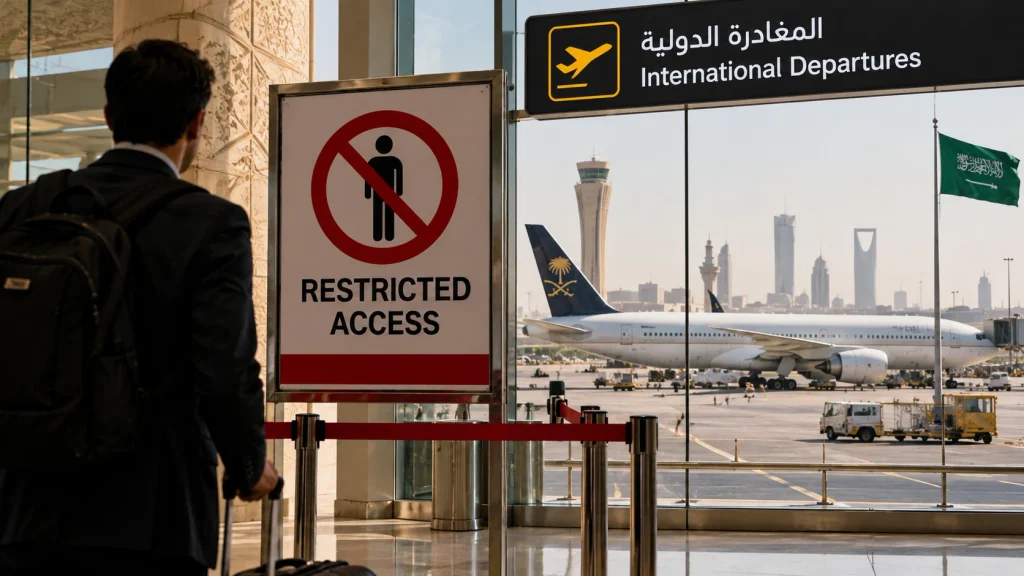
The United States Department of State officially ordered all non-emergency government employees and their families to evacuate Saudi Arabia on October 23, 2026. Alongside this mandatory evacuation order, the U.S. Embassy severely restricted its remaining diplomatic staff from using any commercial airport inside the Kingdom without special executive authorization. This sudden security protocol leaves thousands of civilian tourists, expatriates, and business travelers questioning the immediate safety and reliability of their upcoming commercial flights.
Why the US Government Restricted Airport Access
Diplomatic security teams locked down airport access for federal employees due to a rapid increase in missile and drone strikes targeting civilian aviation hubs. Iranian-supported Houthi forces actively launch armed drones at critical infrastructure across the Arabian Peninsula, creating an unacceptable risk of mass casualties for anyone waiting inside a commercial terminal. The U.S. Embassy in Saudi Arabia confirmed that falling debris from intercepted missiles frequently lands near active runways, forcing sudden airspace closures that trap passengers on the tarmac for hours.
Also read – Flying To Abu Dhabi With Drones? Check Strict Import Laws

Current Status of Major Commercial Airports
Commercial aviation across Saudi Arabia faces massive logistical hurdles and unpredictable daily schedules as military operations force passenger jets to reroute. International airlines continue to adjust their operations based on real-time threat assessments provided by regional air traffic control.
| Saudi Airport | Current Operational Status | Specific Passenger Disruptions |
| Riyadh (RUH) | Partially Reopened | Limited to domestic routes and specific national carriers. |
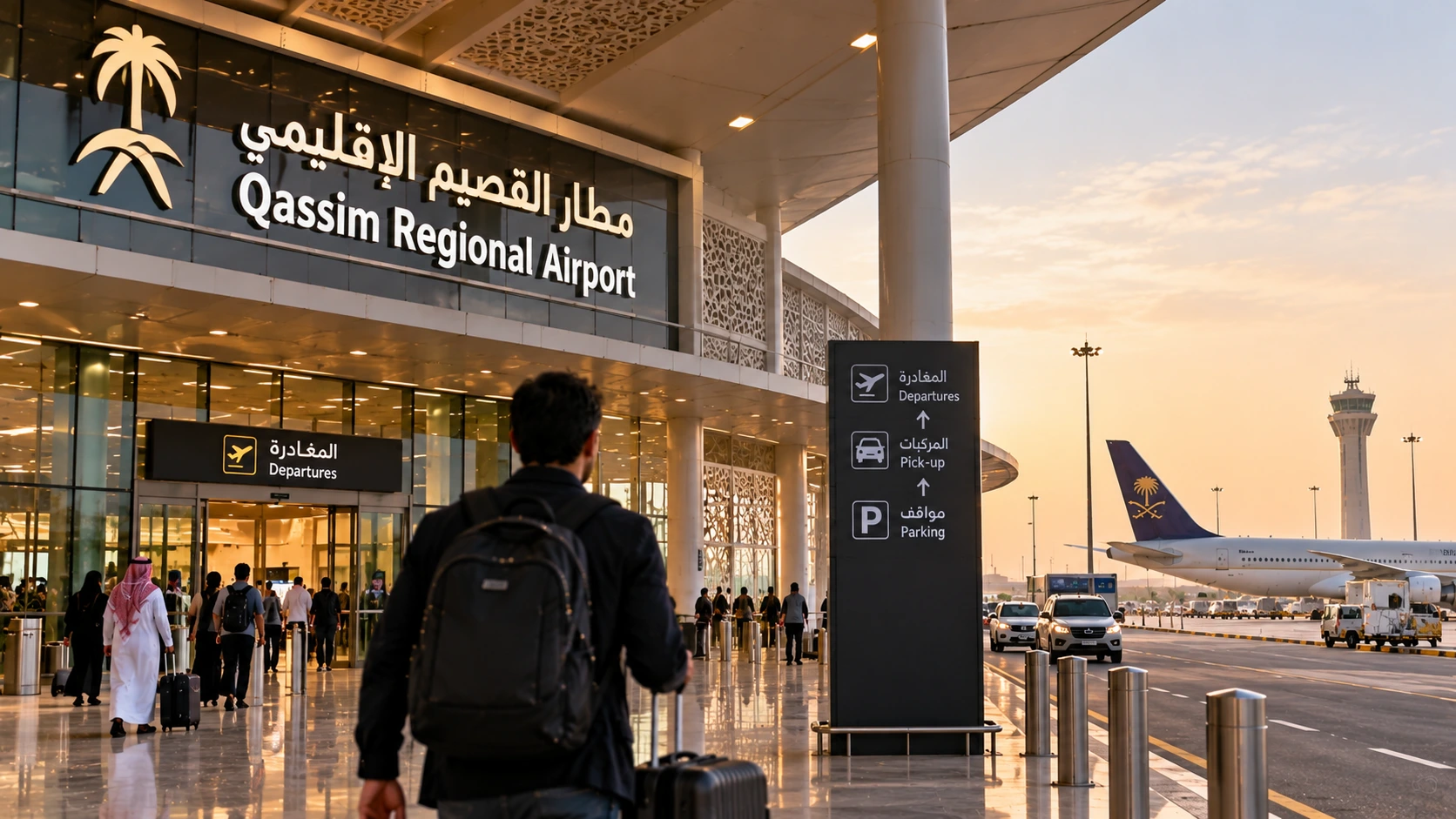
| Qassim (ELQ) | Fully Operational | Absorbing overflow flights relocated from Riyadh. |
| Jeddah (JED) | Fully Operational | Experiencing moderate departure delays and sudden cancellations. |
| Dammam (DMM) | Fully Operational | Operating with rolling delays due to active security sweeps. |
How Commercial Passengers Should Prepare for Flight Disruptions
Travelers holding tickets for commercial flights into or out of the Kingdom must prepare for sudden, unannounced ground stops and lengthy security delays. You cannot assume your scheduled flight will depart on time just because the local weather looks completely clear.
- Verify flight status constantly: Check your specific flight directly with your airline application before leaving for the airport, as third-party tracking sites often lag behind sudden military airspace closures.
- Book flexible tickets: Purchase fully refundable airfare that allows you to change your departure date without massive financial penalties if the security situation deteriorates overnight.
- Route through safer hubs: Consider booking connecting flights through neighboring transit hubs in the United Arab Emirates or Qatar to minimize your total time spent inside Saudi airspace.
- Monitor official channels: Set up digital alerts from the Federal Aviation Administration (FAA) regarding commercial aviation warnings issued for the Middle East region.
Understanding the US Travel Advisory for Saudi Arabia
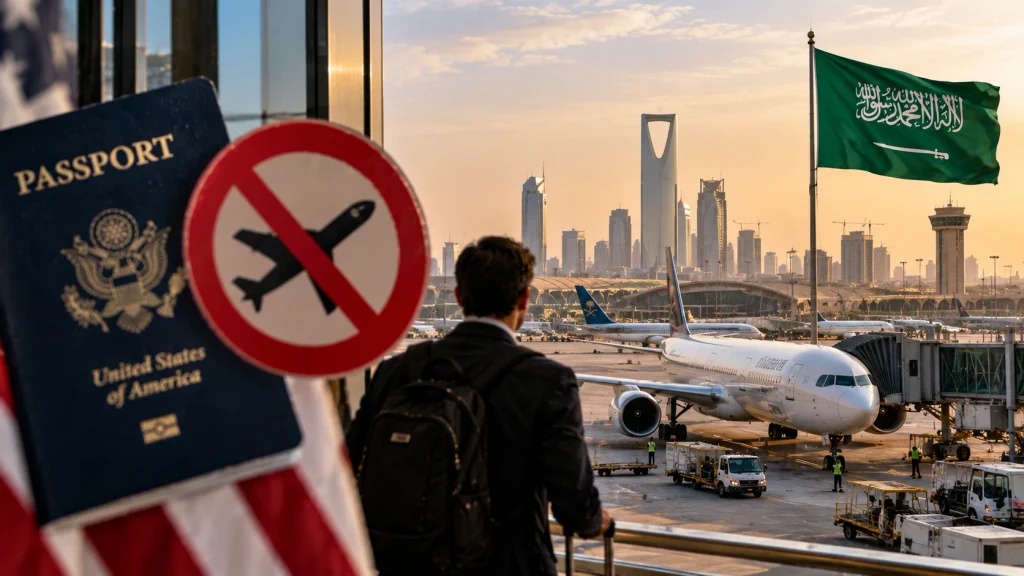
The U.S. Department of State maintains a strict Level 3 Travel Advisory for the entire country, urging all American citizens to strongly reconsider their travel plans. This federal warning highlights the severe risk of terrorism, armed conflict, and unpredictable missile strikes targeting areas heavily frequented by Westerners. Government officials explicitly ban their own personnel from traveling within 20 miles of the Yemen border, designating that specific southern zone as a Level 4 “Do Not Travel” area. Furthermore, federal employees now require special mission authorization just to enter specific high-risk cities including Qatif, Taif, Yanbu, Jizan, Asir, and Najran.
Security Precautions for American Citizens on the Ground
Protecting yourself while waiting for a commercial flight requires strict adherence to local laws and constant situational awareness. Saudi authorities will immediately arrest and deport foreign nationals who use their smartphones to film military installations, drone interceptions, or missile impact sites.
The Saudi government frequently imposes strict exit bans on foreign travelers involved in civil disputes, which prevents them from legally boarding any commercial flight out of the country. These bans often stem from unpaid local debts, labor disagreements, or minor traffic infractions, and they can last for years. Never assume your home embassy can simply override local immigration laws to secure your seat on a departing aircraft.
Follow these exact steps to ensure your physical safety while navigating the country:
- Register your trip: Enroll your passport details in the Smart Traveler Enrollment Program (STEP) to receive instant SMS emergency alerts directly from consular officers.
- Avoid crowded tourist zones: Skip large public festivals, crowded shopping malls, and major sporting events, as these locations remain high-value targets for regional terrorist groups.
- Plan an emergency exit route: Keep your physical passport on your person and maintain enough funds to purchase an emergency commercial flight out of the country at a moment’s notice.
- Follow local instructions: Obey all directives from Saudi police and military personnel without arguing, especially during active emergency sirens or airport evacuations. The Gulf News network provides real-time English updates on local government security mandates that you must follow instantly.