
Hemis Festival in Ladakh is worth visiting in 2026, but only if you plan it like a high-altitude cultural trip, not like a casual sightseeing stop. The festival will take place on 24–25 June 2026 at Hemis Monastery, according to the official Ladakh Tourism event listing. The mistake many first-time visitors make is simple: they see the colourful Cham dances online, land in Leh the previous day, leave late for Hemis, and then spend the best part of the morning stuck with a headache, a missing taxi, or no place to sit.
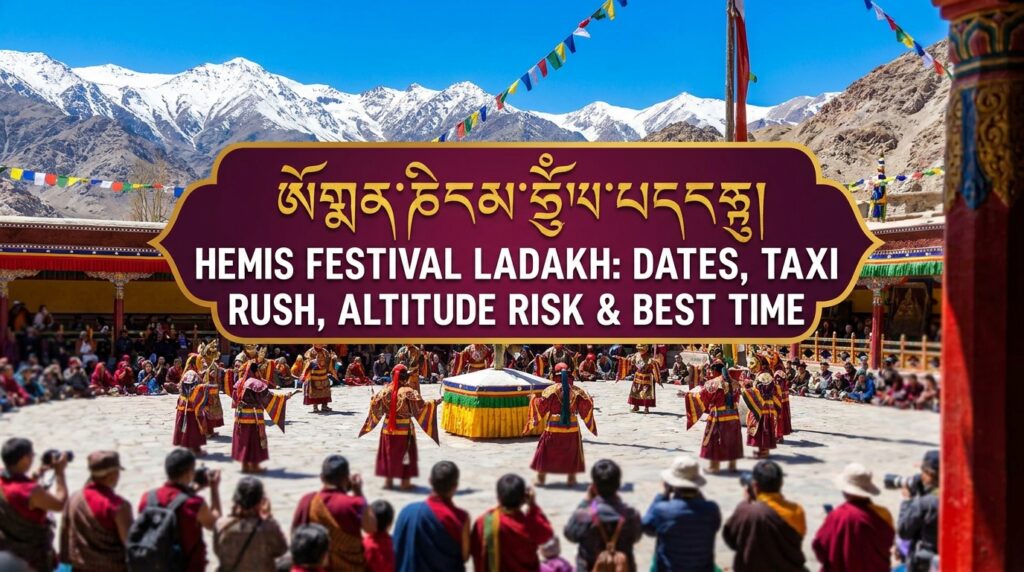
What Is Hemis Festival and Why Do People Travel to Ladakh for It?
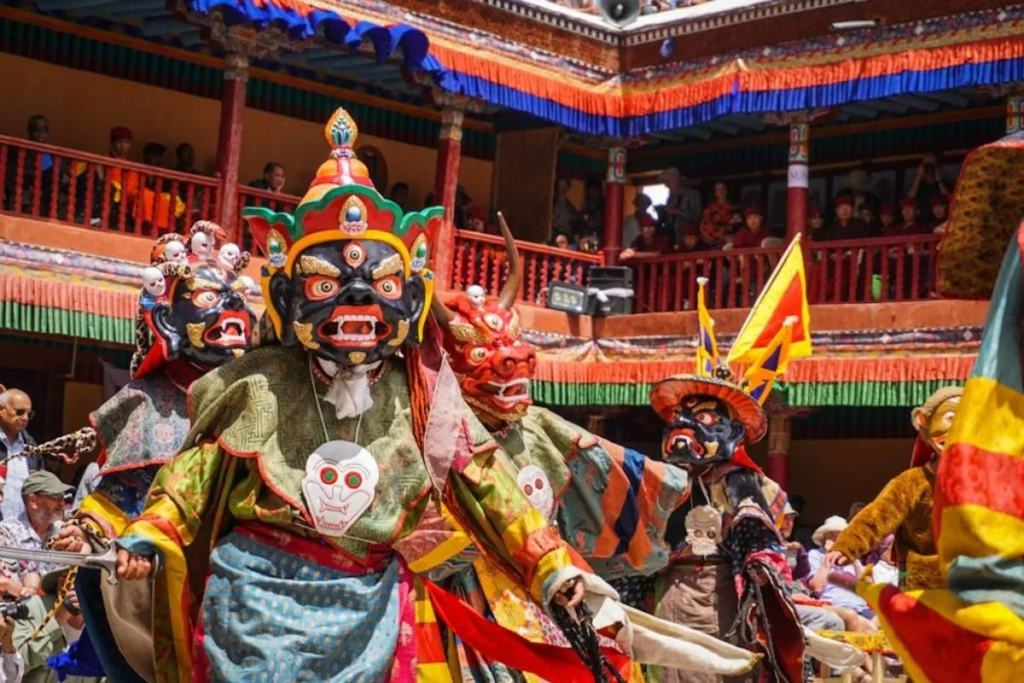
Hemis Festival, also called Hemis Tsechu, is a two-day Buddhist monastic festival held at Hemis Monastery near Leh. It honours Guru Padmasambhava, also known as Guru Rinpoche, the 8th-century master deeply connected with Tibetan Buddhism. The main attraction is the Cham mask dance, performed by monks in the monastery courtyard with drums, cymbals, horns, silk costumes and dramatic masks.
This is not a stage show arranged for tourists. It is a sacred ritual first and a visual spectacle second. That is why the best way to experience Hemis Festival is to arrive quietly, sit patiently, and understand that the slow rhythm is part of the meaning.
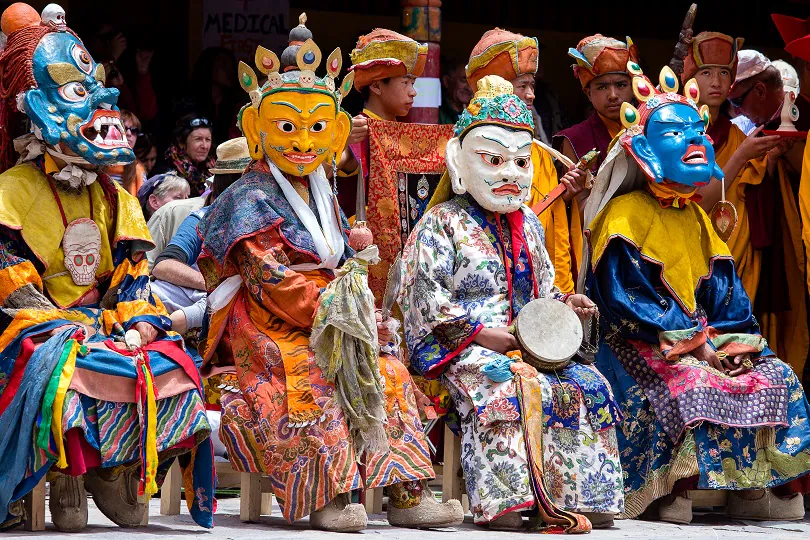
Hemis Festival 2026 Dates, Location and Quick Facts
Hemis Festival 2026 will be held on 24 and 25 June at Hemis Monastery, about 40–45 km from Leh. The monastery is one of Ladakh’s most important Buddhist sites and is listed by Incredible India as a major attraction known for its two-day Hemis Festival.
| Detail | Clear Answer |
|---|---|
| Festival name | Hemis Tsechu / Hemis Festival |
| 2026 dates | 24–25 June 2026 |
| Location | Hemis Monastery, Ladakh |
| Distance from Leh | Around 40–45 km |
| Main highlight | Cham mask dances and monastic rituals |
| Best arrival in Leh | At least 2 days before the festival |
| Best time to leave Leh for Hemis | Around 5:30–6:00 AM |
| Permit needed for Hemis Monastery | Usually not for Hemis, but keep ID and check current rules before travel |
Why Altitude Sickness Can Hit During Hemis Festival
Altitude sickness can affect Hemis Festival visitors because Leh and Hemis sit at serious high altitude, and the festival requires early mornings, walking, waiting, sun exposure and crowd movement. Hemis Monastery is often described around the 12,000 ft range, and Leh itself is already high enough to cause symptoms in travellers who fly in from low-altitude cities.
The official Leh health advisory asks visitors arriving in Leh to take at least 48 hours for acclimatisation before moving into higher altitude areas. It also advises avoiding physical exertion in the first two days, drinking enough water, eating light, and staying away from alcohol and smoking.
Also read – 15 Best Places to Stargaze in India in 2026 & 5 My Favourite
Watch for these altitude sickness symptoms at Hemis Festival
Do not ignore a headache at Hemis if it comes with nausea, dizziness, tiredness or breathlessness. The CDC Yellow Book describes acute mountain sickness as usually starting with headache plus symptoms such as nausea, fatigue, dizziness or loss of appetite. The NHS altitude sickness guide also warns travellers not to climb higher if they feel unwell at altitude.
Practical rule from the ground: do not treat Hemis day as your first big outing after landing in Leh. Spend the first day resting. Keep the second day slow. Visit Hemis only after your body has settled.
Taxi Shortage During Hemis Festival: What Travellers Should Know
Taxi shortage is common around major Ladakh festival days because many visitors want the same early-morning Leh-to-Hemis route. You should not assume you can step out at 7 AM and easily find a cab. During festival dates, vehicles get booked by families, groups, photographers and tour operators.
The official Ladakh Taxi Union publishes route-based taxi rates, and travellers should use it as a reference before agreeing to a fare. For Hemis Festival, the smarter move is to book a vehicle the previous evening, confirm pickup time twice, and keep the driver’s phone number saved offline.
Also read – Chadar Trek 2026 Reality: Is the Ice Safe? (My Honest Survival …
How to negotiate a taxi for Hemis Festival without getting stuck
Do not bargain blindly. Compare the quoted fare with the union rate, then negotiate clearly on timing, waiting and return.
Use this checklist:
- Confirm whether the fare is one-way, return or full-day waiting.
- Ask if the driver will wait near Hemis or leave after drop-off.
- Fix the return time before you start from Leh.
- Share the taxi with other travellers only if everyone agrees on the same return time.
- Avoid last-minute “festival surcharge” confusion by confirming the total fare on WhatsApp.
A cheap taxi is not cheap if it disappears before the final ritual.
Missed Ritual Timings: The Big Mistake Most Visitors Make
The most memorable parts of Hemis Festival usually happen in the morning, so arriving late can mean missing the real reason you came. Many travellers leave Leh after breakfast and reach when the courtyard is already packed. By then, the front seating is gone, camera angles are blocked, and the early rituals may already be over.
There is no perfect tourist-style timetable because monastic events can move with ritual flow, weather and crowd management. Still, the practical approach is clear: leave Leh before sunrise, reach Hemis early, and treat waiting as part of the experience.
Best simple schedule for Hemis Festival day
| Time | What to Do |
| 5:00 AM | Wake up, eat something light, carry water |
| 5:30–6:00 AM | Leave Leh |
| 7:00 AM approx. | Reach Hemis area before heavy crowding |
| Morning | Watch rituals and Cham dances from the courtyard |
| Afternoon | Stay only if you feel well and have return transport fixed |
| Evening | Return to Leh, avoid alcohol, rest |
What to Carry for Hemis Festival in Ladakh
Carry light, warm and practical items because Hemis Festival is not comfortable in the way city events are. The sun can feel harsh, shaded corners can feel cold, and shops may not meet the needs of a packed festival crowd.
Carry:
- Water bottle, but sip slowly instead of overdrinking at once
- Cap, sunglasses and sunscreen
- Light jacket or shawl
- Basic snacks, such as nuts or energy bars
- Cash in small notes
- Power bank
- ID proof
- Any personal medicine prescribed by your doctor
- A scarf or mask for dust on the road and crowd areas
Do not carry a drone unless you have proper permission. Do not push cameras into monks’ faces. Do not stand in front of seated locals during rituals.
Also read – 10 Ethereal Places That Look Like a Fairytale & How to Visit
Is Hemis Festival Good for Families and First-Time Ladakh Travellers?
Hemis Festival is good for families only when the trip is slow, well-rested and not overloaded with Nubra, Pangong and high-pass drives immediately after arrival. Children and older travellers may find the crowd, altitude and long sitting hours tiring. Choose a hotel in Leh for at least three nights around the festival instead of changing places daily.
For first-time Ladakh visitors, the best plan is:
- Day 1: Arrive in Leh and rest
- Day 2: Slow Leh local walk, no hard sightseeing
- Day 3: Hemis Festival
- Day 4: Buffer day or second festival day
- Day 5 onward: Nubra, Pangong or other routes only if everyone feels well
This slower plan looks less ambitious on paper, but it feels much better in Ladakh.
Final Verdict: Hemis Festival Is Magical, But Not Effortless
Hemis Festival is one of Ladakh’s most powerful cultural experiences, but it rewards travellers who respect altitude, timing and local systems. Come only for photos, and you may leave frustrated. Come prepared, and you will remember the sound of horns echoing through the courtyard, the slow turn of masked dancers, the smell of incense, and the strange silence that falls even inside a crowd.
The smartest Hemis Festival plan is simple: arrive in Leh early, acclimatise for 48 hours, book your taxi before festival day, leave before sunrise, carry essentials, and do not rush the rituals.

