
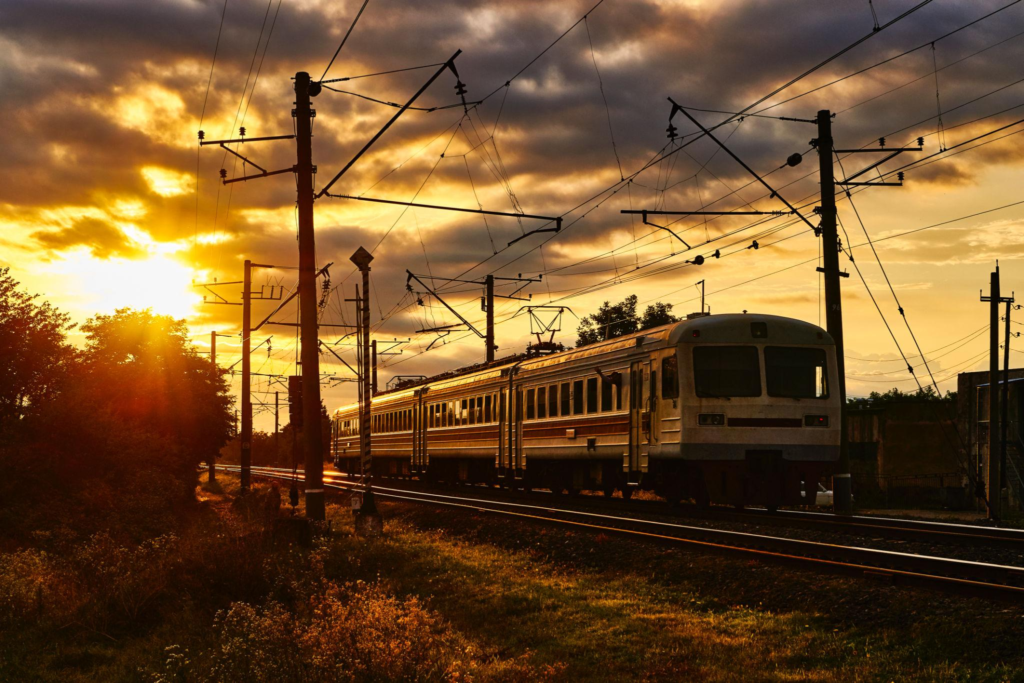
I boarded a train in Tbilisi, Georgia, that felt like stepping straight into 1973. The locomotive still had the outline of where “VL” (short for Vladimir Lenin) used to be printed. The seats had folding beds attached to them for no reason. The toilet emptied straight onto the tracks. And somehow, the whole thing cost less than a cup of coffee in most European cities.
Tbilisi to Kutaisi on a 50-Year-Old Soviet Train: 217 km, 5.5 Hours, and Just 9 GEL
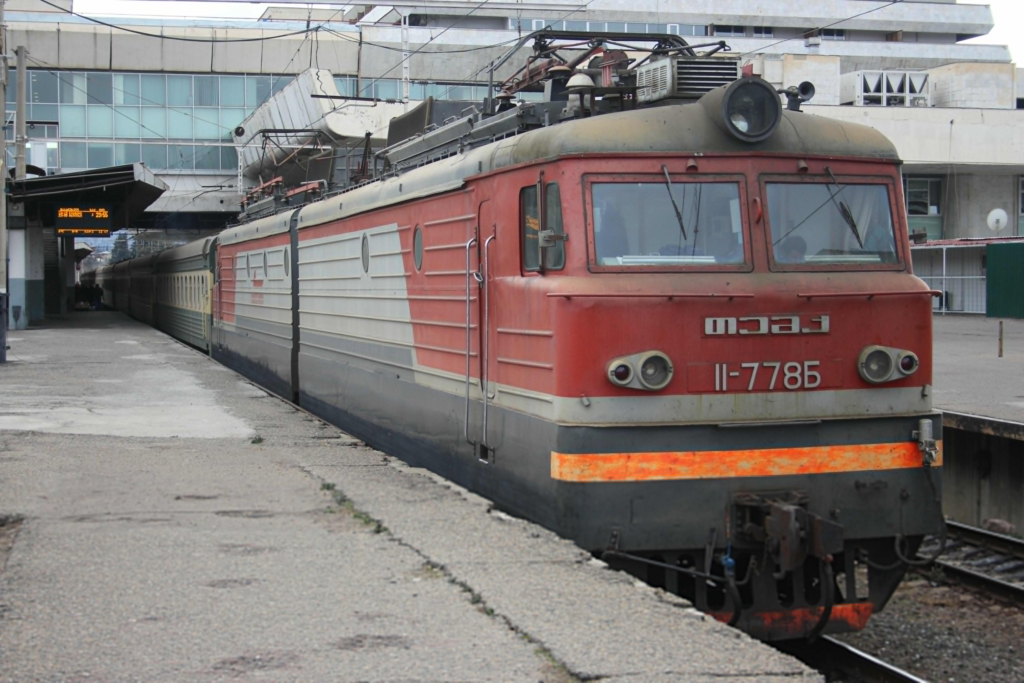
This is the honest, unfiltered story of riding Georgia’s oldest passenger train: what it’s like, what to expect, what surprised me, and whether it is actually worth doing.
What Train Is This, Exactly?
This is the Georgian Railway service from Tbilisi Central to Kutaisi-1, operated by Georgian Railway using a Soviet-era VL10/VL11 electric locomotive hauling old seated carriages.
Here is the quick breakdown:
| Detail | Information |
|---|---|
| Route | Tbilisi Central to Kutaisi-1 |
| Distance | 217 km (135 miles) |
| Journey Time | 5 hours 35 minutes |
| Ticket Price | 9 GEL (around $3 USD) |
| Train Type | Soviet-era VL10/VL11 loco + seated carriages |
| Class | Second Class (only class available) |
| Frequency | Twice daily (combined services) |
The train number is 18, departing at 08:50 from Tbilisi Central. It runs combined with train number 12 as far as Rioni, then splits. Your carriage heads up to Kutaisi while the rest continues to Ozurgeti in the far west of the country.
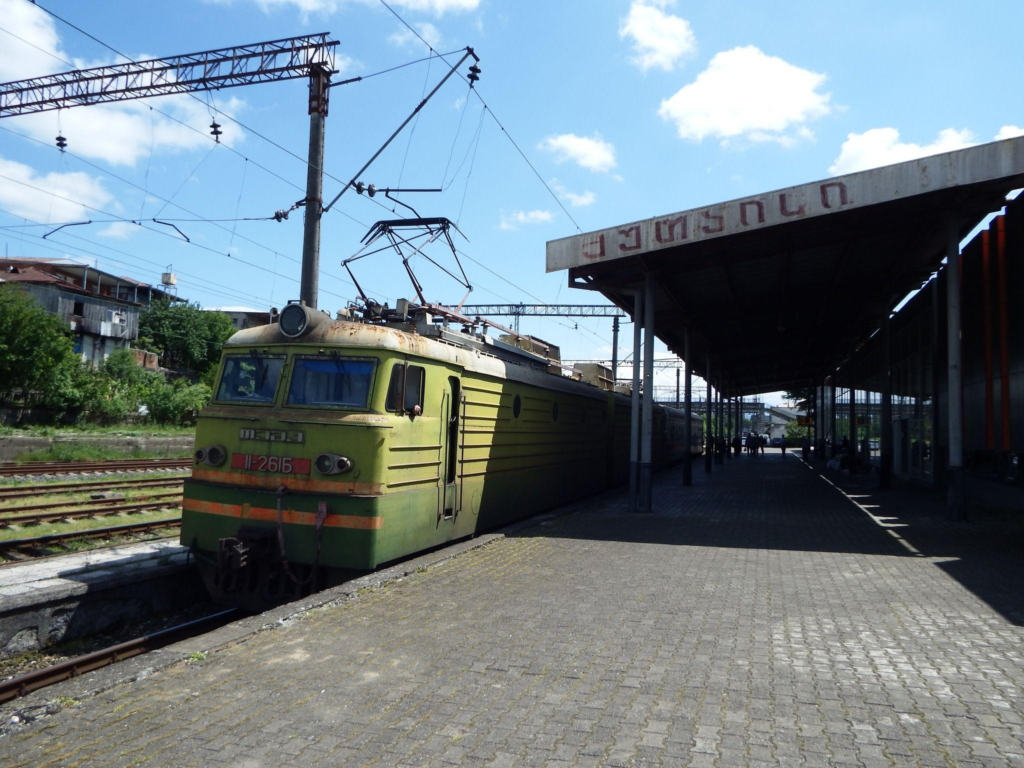
Tbilisi Central Station: What to Know Before You Board
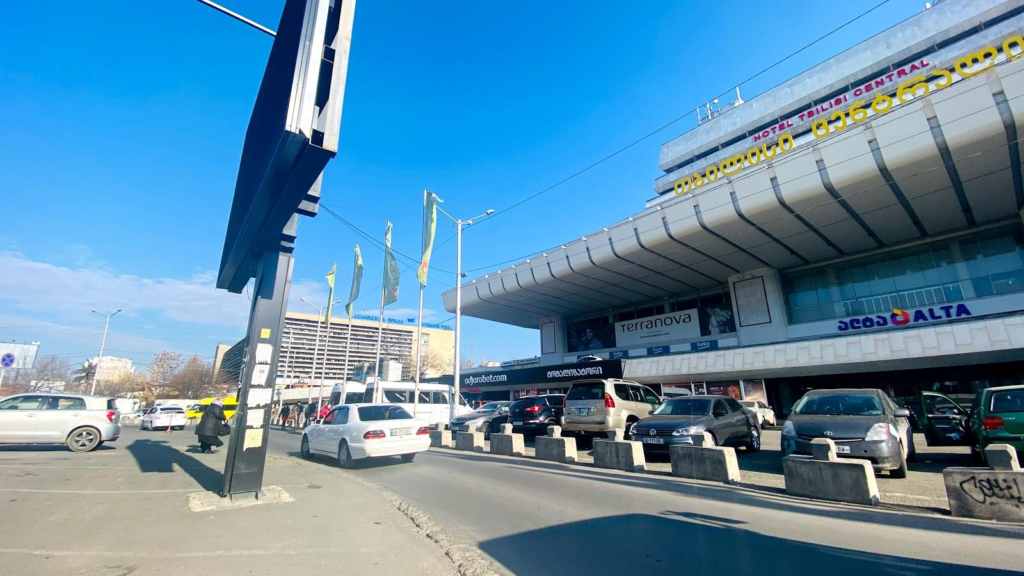
The station looks like an airport from the outside and like a quiet mall on the inside.
Tbilisi Central is a brutalist Soviet-era building: bold, boxy, and honestly impressive if you appreciate that architectural style. The entrance area has a large drop-off zone and the station is connected to Tbilisi’s metro network on two lines, making it easy to reach from anywhere in the city.
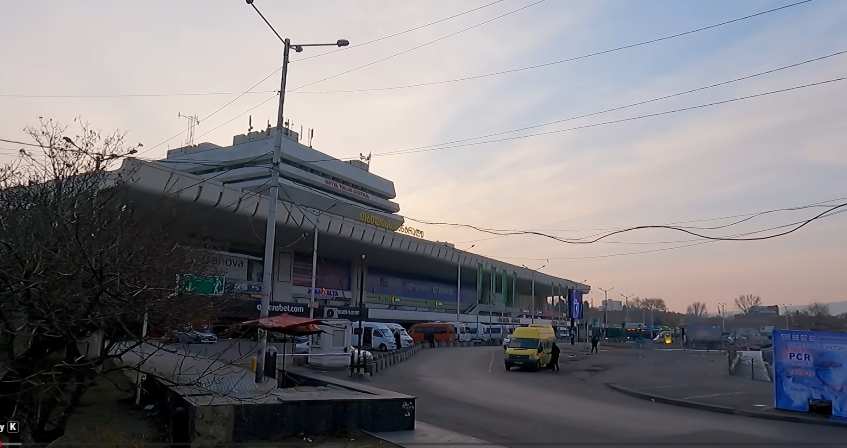
A few things that caught me off guard:
- The station hall is three floors up, not at ground level. Leave extra time to find it
- There is a large shopping mall inside, but almost every shop is closed when early morning trains depart
- The food court on the upper floor was also shut at 08:50 departure time
- The ticket office is practically the only thing open at that hour. Buy your ticket online in advance to avoid stress
- Georgian script is unreadable if you have not studied it, but most signs are also in EnglishTip: The Tbilisi Central Hotel sits directly on top of the station. It is nothing fancy, but the city views are excellent and the location is unbeatable for early departures.
Also read – 10 Top Countries for Cultural Experiences in Less Budget
The Locomotive: A 50-Year-Old Piece of History
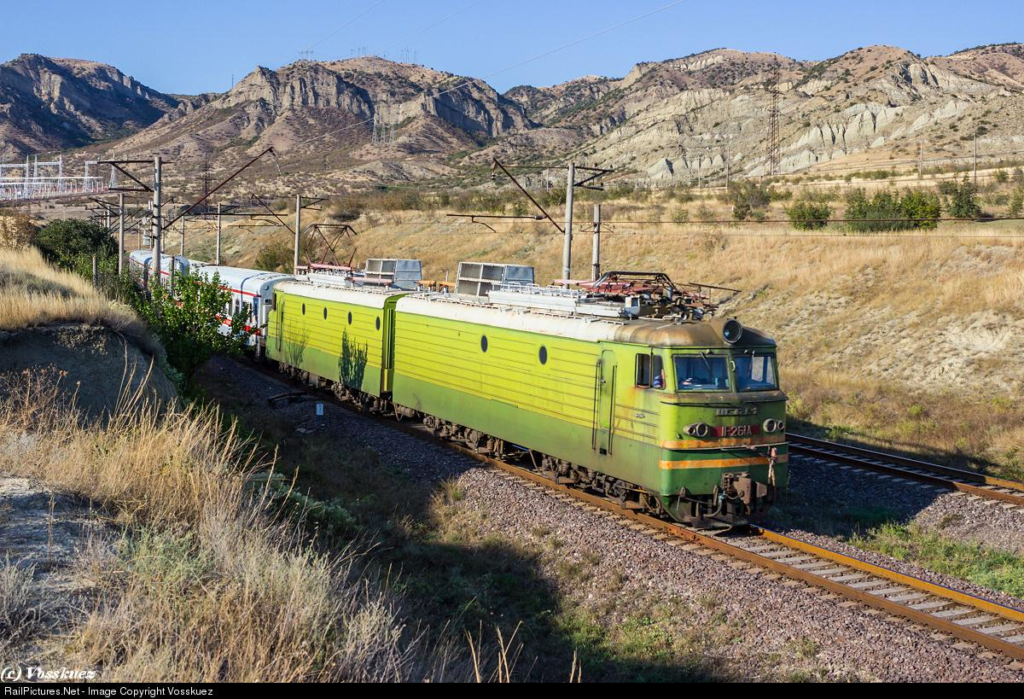
The engine pulling this train was built in the Soviet Union and is now around 50 years old. And it still works.
The locomotive series is called the VL11, where “VL” originally stood for Vladimir Lenin. Every locomotive in Georgia has had those letters physically removed to distance the country from its Soviet past. Yet, strangely, the locomotive is still painted in Russian Railways livery. Nobody has a clear explanation for this, given that the two companies have no official affiliation today.
For the second leg of the journey (from Rioni to Kutaisi), a different locomotive takes over: number 10274, a massive two-part freight engine dating back to 1973. It is rusty, it is loud, and it does the job with zero effort, because it was built to pull entire freight trains, not a single passenger carriage.
Inside the Carriage: The Weird Details Nobody Warns You About
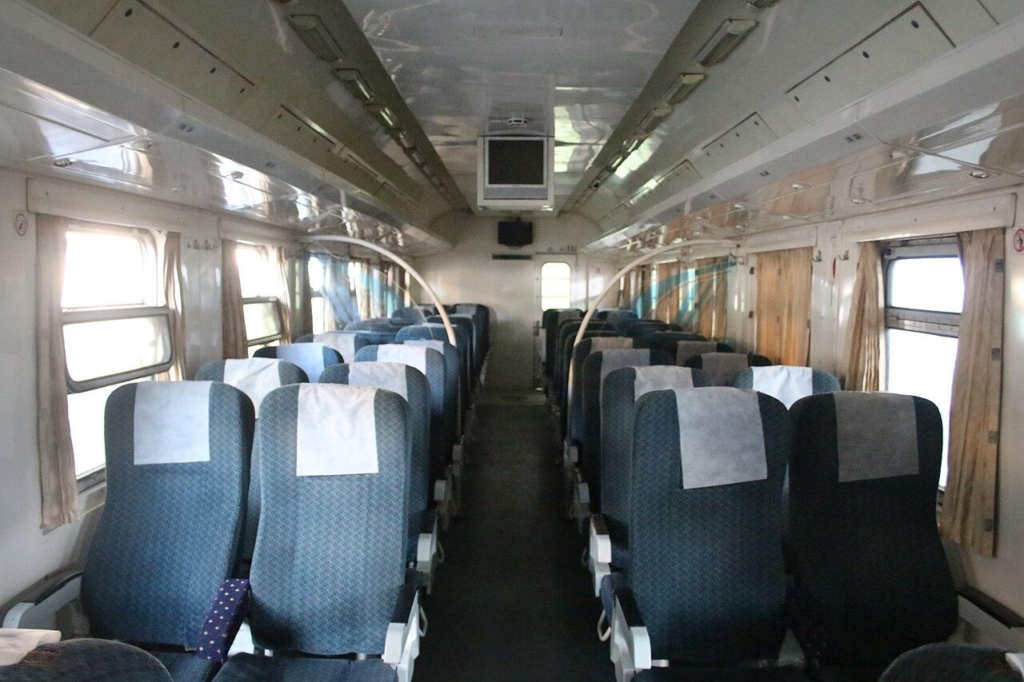
The interior is strange in ways that are hard to describe until you are sitting in it.
Seating is in a 2+2 layout, a mix of airline-style seats and older bays. Here is what stood out:
- The seats are actually comfortable: large, padded, with proper reclining levers and folding armrests
- Legroom is generous, which matters a lot on a 5.5-hour journey
- Seat allocation is completely random. The number on your ticket may not match the actual carriage number (I was in car 5, which was actually the third carriage of a four-carriage train)
- One seat next to mine had a full sleeper bed attached to the back of it, not to sleep on, just bolted there from a sleeper carriage conversion, blocking the recline entirely
- The seatback table on my seat was missing
- But the seat next to me had some surprisingly nice art printed on it
Other things in the carriage worth knowing:
- Overhead luggage racks that are massive and very generous
- Individual reading lights above each seat
- Coat hooks between the windows
- TV screens that were not switched on (the most modern element on the entire train, ironically)
- No Wi-Fi. All entertainment comes from looking out the window
- Curtains made of yellow plastic or leather: deeply unpleasant to touch, but they do block the sun
Also read – 10 Ethereal Places That Look Like a Fairytale & How to Visit
The Toilet Situation (Honest Warning)
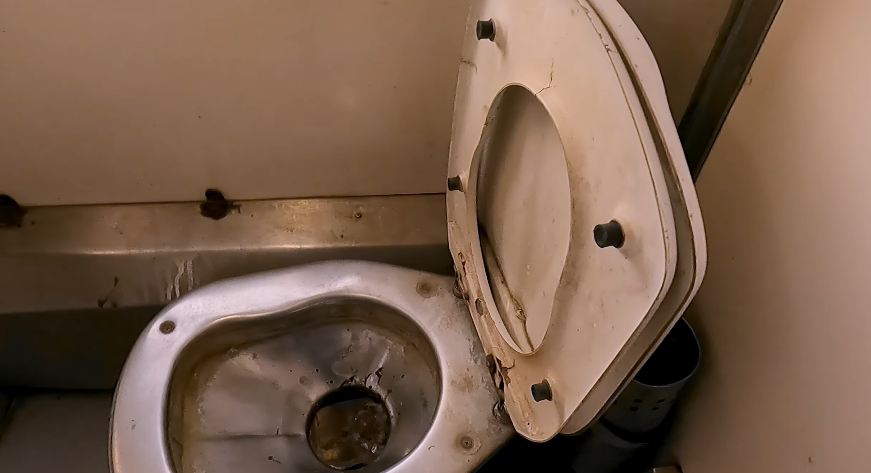
Yes, it empties straight onto the tracks. No, there is no alternative.
The toilet at the end of the carriage was dirty and had a strong smell. If you are sensitive to this, plan accordingly and use the station facilities before boarding.
On the brighter side:
- Soap was available
- There was toilet paper (described as “industrial strength”)
- The water tap works by pushing up on the base, which is easy once you know how
It is not pleasant, but it is functional. Expect Soviet-era standards, not European ones.
The Route: 5 Hours of Scenery You Will Not Find on Any “Best Train Journeys” List
This route is a genuine hidden gem that almost no travel publication talks about.
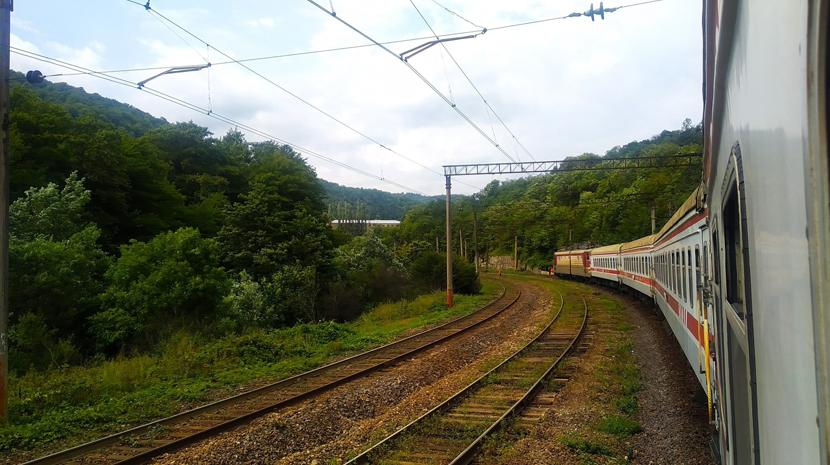
The train heads north out of Tbilisi before turning west toward the Surami Pass in the Caucasus Mountains. Here is what you will pass:
Notable stops and sights along the way:
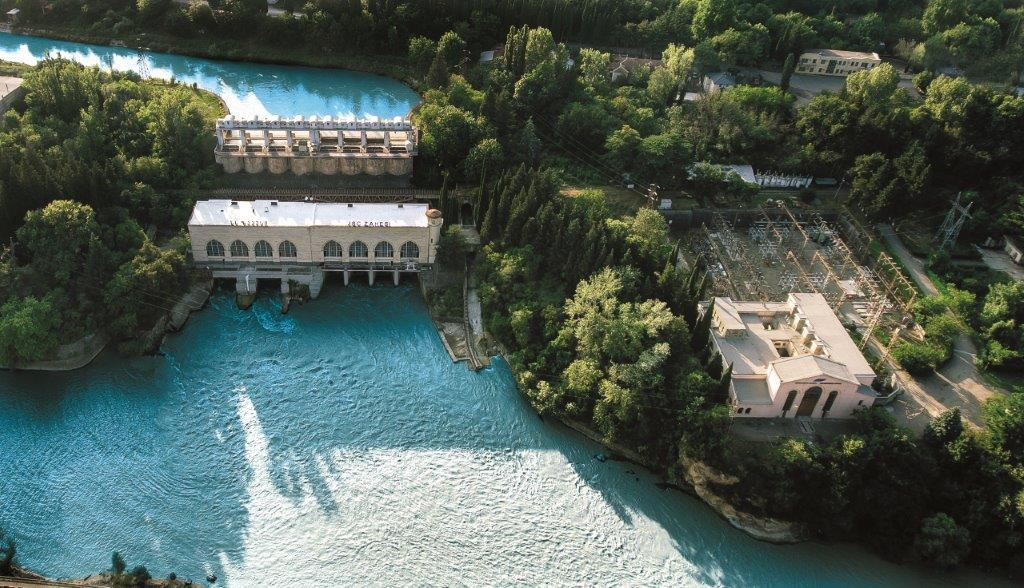
- Zaalisi Hydropower Plant (30 minutes in): dating back to 1927, the first of its kind in the Caucasus
- The Mtkvari River: also called the Kura River in neighbouring countries, it starts in northeastern Turkey, flows through Tbilisi, and empties into the Caspian Sea
- Gori: a mid-sized Georgian city and the birthplace of Joseph Stalin, where a museum still stands in his memory
- Kaskhuri: an unofficial snack stop where local vendors set up every single day to sell traditional Georgian baked goods to passing passengers. Get off and try something
- The Surami Pass: the steepest and most dramatic section of the route, historic as the first mainline railway to be electrified in the Soviet Union (1932). The original electrification locomotives were actually built by General Electric in the USA
- Lichvi Mountains: the bulk of the mountain scenery happens here. It is genuinely stunning
- Zestafoni: an industrial city that processes manganese ore from nearby Chiatura
- Rioni: the junction station where the train splits. There is a 25-minute wait here
The scenery between the Greater and Lesser Caucasus mountain ranges is spectacular. To the north sits Mount Elbrus, Europe’s highest peak. On a clear day, this section alone justifies the entire trip.
The One Thing That Spoils the Views: Filthy Windows
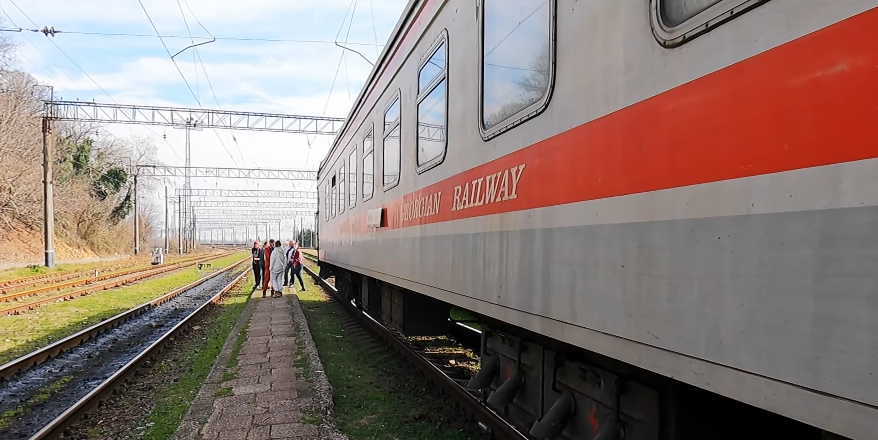
The windows on this train are genuinely dirty, and it affects the scenery experience more than you would expect.
Some seats do not even face a window directly, which makes it worse. If you are booking specifically for the views (and you should), try to:
- Book early to get a window seat
- Sit on the right side of the train heading west for views of the Greater Caucasus
- Bring a cloth or tissue if you want any chance of photographing through the glass
Also read – 21 Best Seasonal Holidays Around the World Worth Visiting
What Georgia’s Railway Network Actually Looks Like
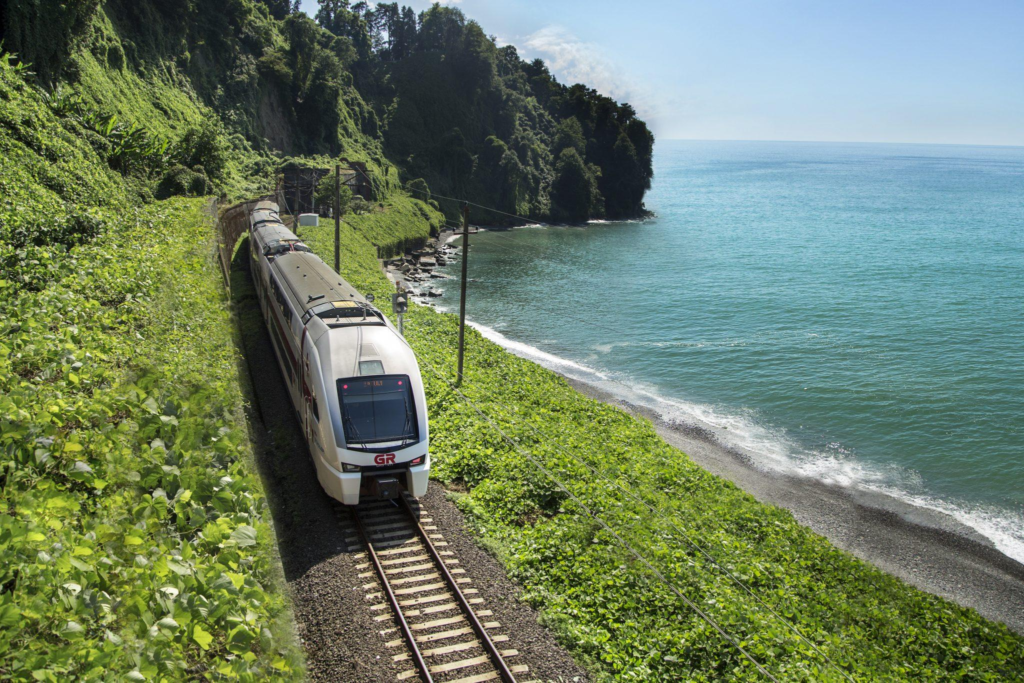
Georgian Railway is mostly a freight operation, with passenger services as a secondary function.
Here is the full picture of what the network offers:
| Service Type | Train Type | Notes |
|---|---|---|
| Local commuter routes | Modernised electric units | Stop at every village station |
| Bourjomi service | Electric units | Popular spa resort, twice daily |
| Flagship intercity | Stadler double-decker | 160 km/h, modern, 4-car units |
| Tbilisi to Yerevan | International sleeper | Armenia, comfortable and modern |
| Tbilisi to Baku | International sleeper | Azerbaijan, modern sleeper service |
| This old Soviet train | VL11 + seated carriages | Authentic, cheap, slowly being upgraded |
The entire network sits in a geographically strategic location: squeezed between the Black Sea and Caspian Sea, acting as the freight bridge between Europe and Asia. Thousands of freight trains cross Georgia and Azerbaijan daily.
The Infrastructure Upgrade Happening Right Now
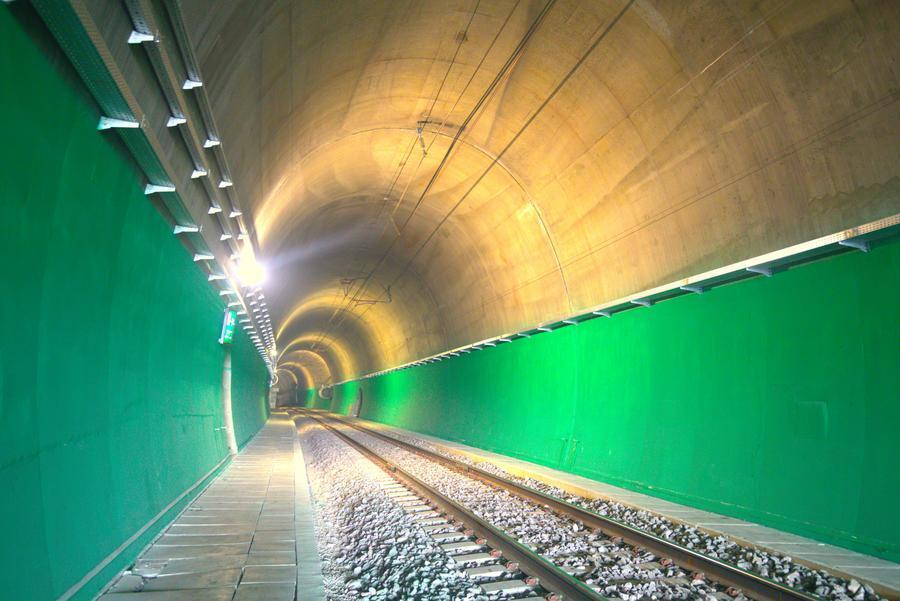
Georgian Railway is in the middle of a major upgrade funded entirely by China.
Tight curves across the mountains are being bypassed through new tunnels and cuttings. Once complete, the upgrade will:
- Nearly double the freight capacity of the main east-west line
- Cut 40 minutes off the current journey time across the mountains
This is important if you are planning this trip. The authentic slow ride through the mountains has a shelf life. Once the upgrades are done, the service will be faster, more modern, and less of an experience in Soviet-era travel. If this appeals to you, go sooner rather than later.
Is 9 GEL Really the Price? (Yes, and Here Is the Context)
9 Georgian Lari for a 217-kilometre, 5.5-hour train journey is extraordinary value, even by local standards.
To put it in perspective:
- 9 GEL equals roughly $3 to $3.50 USD at current exchange rates
- This makes it one of the cheapest long-distance train rides in Europe or Asia by any metric
- The price is affordable for locals and borderline unbelievable for most international travellers
You can buy tickets online via Georgian Railway’s website. On the train itself, tickets are checked at the carriage door and you will need your passport.
Should You Actually Do This Trip?
Yes, if you want a travel experience that feels genuinely different from anything sold in a guidebook.
This train is not comfortable in the way a European intercity express is comfortable. It is not fast, the toilets are not great, and the windows need a serious clean. But it offers something most modern trains cannot: an honest, living piece of railway history moving through some of the most underrated mountain scenery in the world.
Go if:
- You enjoy slow travel and watching landscapes change hour by hour
- You want an authentic, non-touristy Georgian experience
- You are travelling between Tbilisi and Kutaisi anyway and do not want to take a marshrutka (minibus)
- You are a railway enthusiast, because this is genuinely rare
Skip if:
- You need reliable Wi-Fi for work
- You have serious sensitivity to smells or older facilities
- You are in a hurry (the modern Stadler trains are faster)
Quick Practical Info Before You Go
| What | Details |
|---|---|
| Departure | Tbilisi Central, 08:50 daily |
| Arrival | Kutaisi-1, approximately 14:24 |
| Ticket price | 9 GEL (one way) |
| Book online? | Yes, via Georgian Railway website |
| Need passport? | Yes, for ticket check at the door |
| Food on board? | No official service; buy at snack stops |
| Wi-Fi | None |
| Best seat | Window seat, right side of train |
| Upgrade timeline | Ongoing; experience may change soon |
The snack vendors at Kaskhuri station sell fresh Georgian baked goods. Do not stay in your seat when the train stops there. Step off, buy something, and eat it while the mountains sit behind you. That two-minute stop might be the best part of the whole journey.

