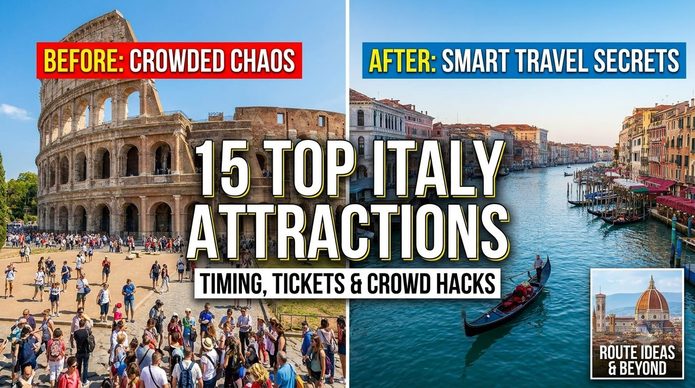
Italy’s best tourist attractions are not simply the 15 most photographed places—they are the ones worth giving precious vacation time to. For a first trip, prioritize Rome, Florence and Venice, then add Pompeii, the Amalfi Coast or northern Italy according to your route.
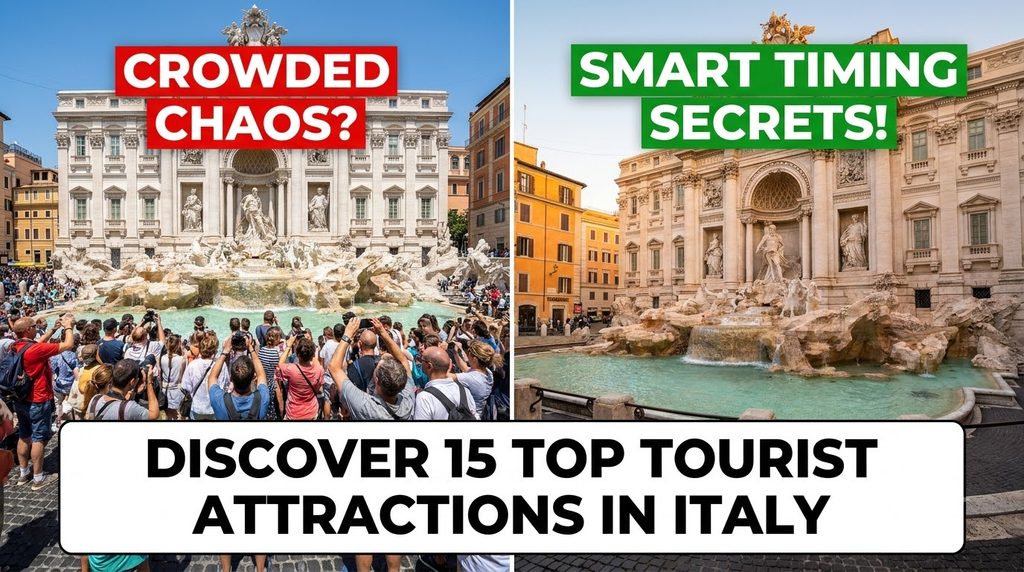
The trick is not seeing everything. It is booking the difficult places early and visiting the easy ones at smarter hours.
What Are the Top Tourist Attractions in Italy?
| Attraction | Where | Smartest move |
|---|---|---|
| Colosseum | Rome | Reserve ahead |
| Vatican Museums | Rome/Vatican City | Book official ticket |
| Trevi Fountain | Rome | Go early |
| St. Mark’s | Venice | Visit before day crowds |
| Florence Duomo | Florence | Reserve dome climb |
| Uffizi Gallery | Florence | Timed ticket |
| Pompeii | Campania | Allow 3+ hours |
| Amalfi Coast | Campania | Use ferry when practical |
| Cinque Terre | Liguria | Travel by train |
| Leaning Tower | Pisa | Combine with Florence |
| Piazza del Campo | Siena | Stay into evening |
| Lake Como | Lombardy | Explore by boat |
| Milan Duomo | Milan | Include rooftop |
| Dolomites | Northern Italy | Stay several nights |
| Verona Arena | Verona | Pair with historic center |
1. Colosseum, Rome
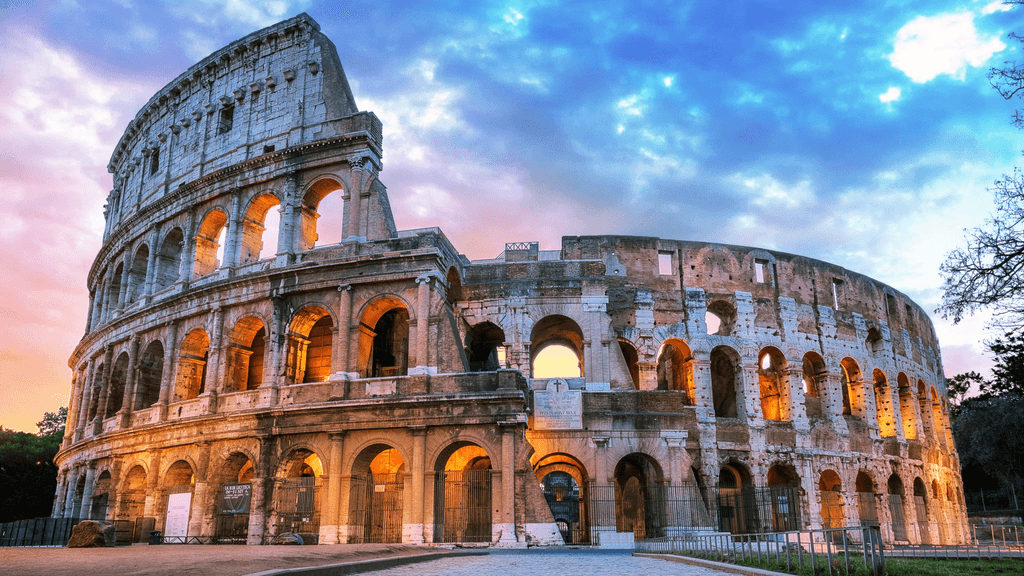
The Colosseum should be reserved before most other Rome attractions. Official timed-entry tickets are released 30 days before the visit, according to the official Colosseum Archaeological Park booking information. Arrive early enough to explore the Roman Forum afterward rather than squeezing both into an hour.
2. Vatican Museums
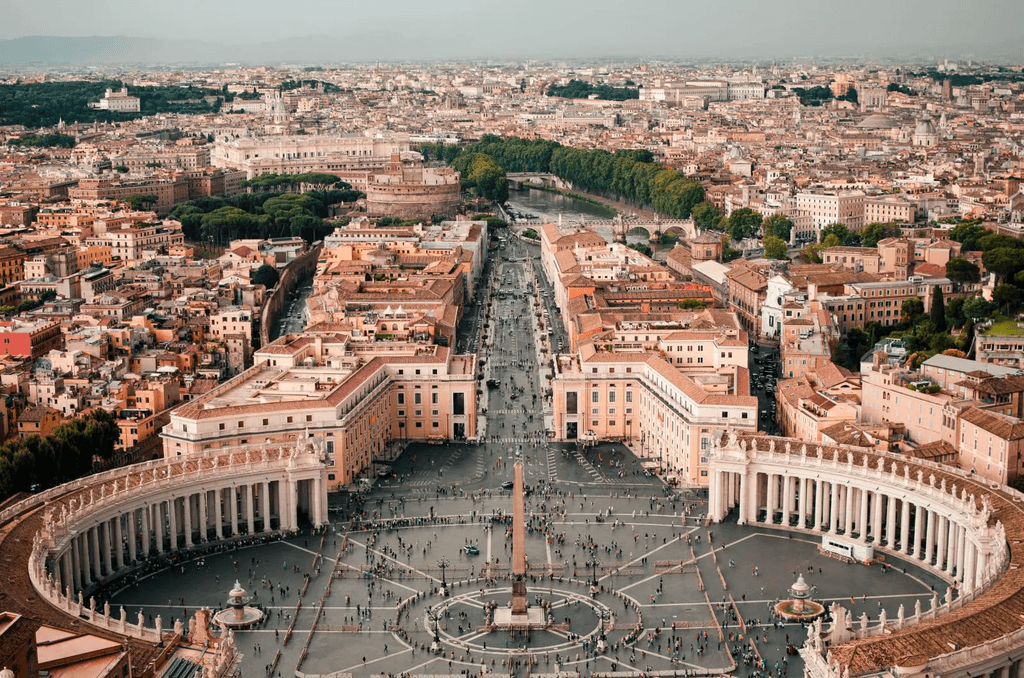
Book the Vatican Museums through the official system. The Vatican Museums explicitly warns visitors about unofficial ticket websites. Give yourself several hours; racing directly toward the Sistine Chapel means missing much of what makes the complex extraordinary.
3. Trevi Fountain
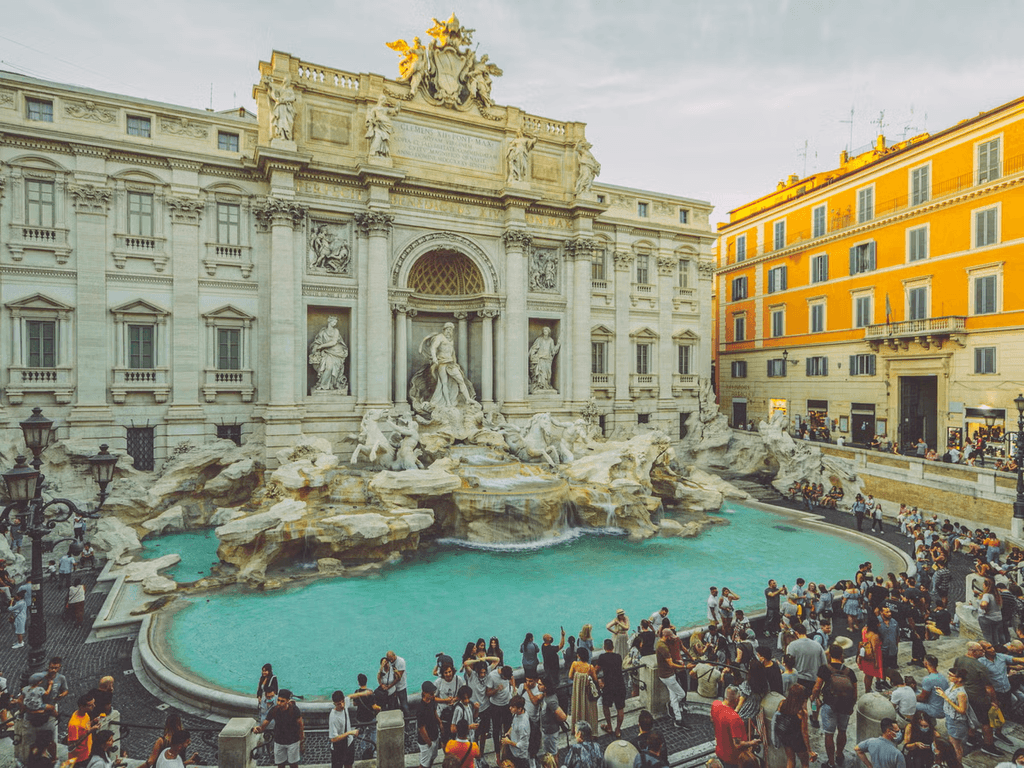
Trevi Fountain is far better when Rome is still waking up. Visit early, then walk toward the Pantheon and Piazza Navona. Midday turns a beautiful square into a battle for standing room.
4. St. Mark’s Basilica and Grand Canal, Venice
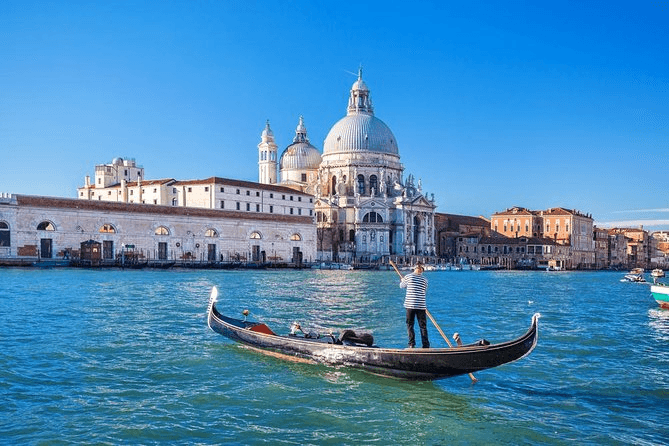
Start Venice at St. Mark’s, then escape into smaller streets rather than staying around the square all day. The basilica contains around 8,000 square metres of gold mosaics, according to Italy’s official St. Mark’s Basilica guide.
A useful detail: Venice’s seasonal access-fee period ended on July 26; the city’s official access-fee portal confirms no fee formalities apply afterward unless new rules are introduced.
5. Florence Duomo
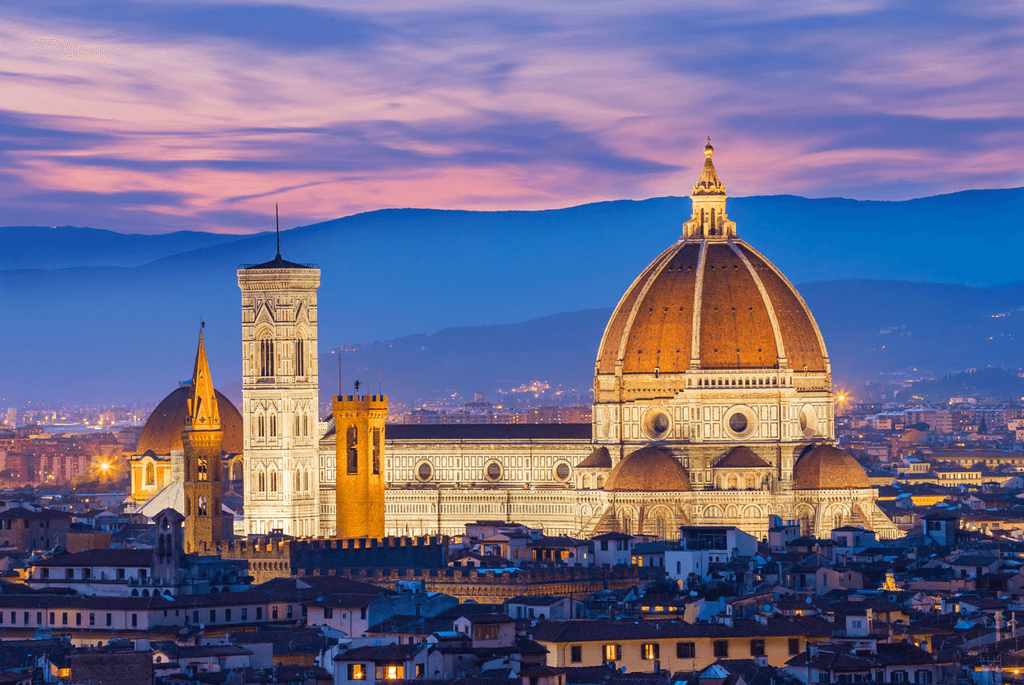
Brunelleschi’s Dome is the Florence experience worth booking. The climb involves 463 steps, and the reward is a close view of the dome interior followed by Florence’s rooftops. Italy’s official tourism guide explains the dome’s remarkable construction.
6. Uffizi Gallery
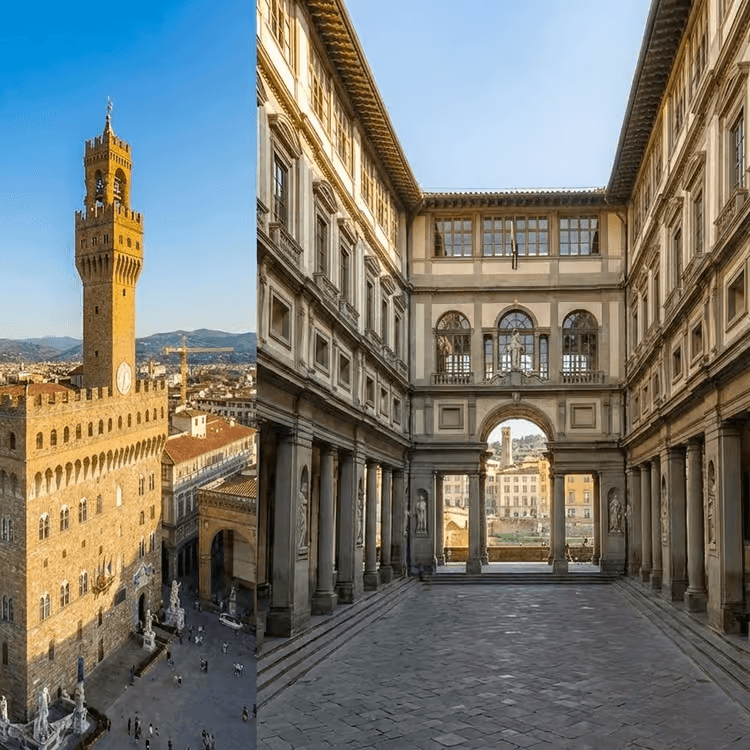
The Uffizi becomes exhausting if you try to inspect every room equally. Choose several must-see Renaissance works first. Advance admission is available through the official Uffizi ticket system.
7. Pompeii
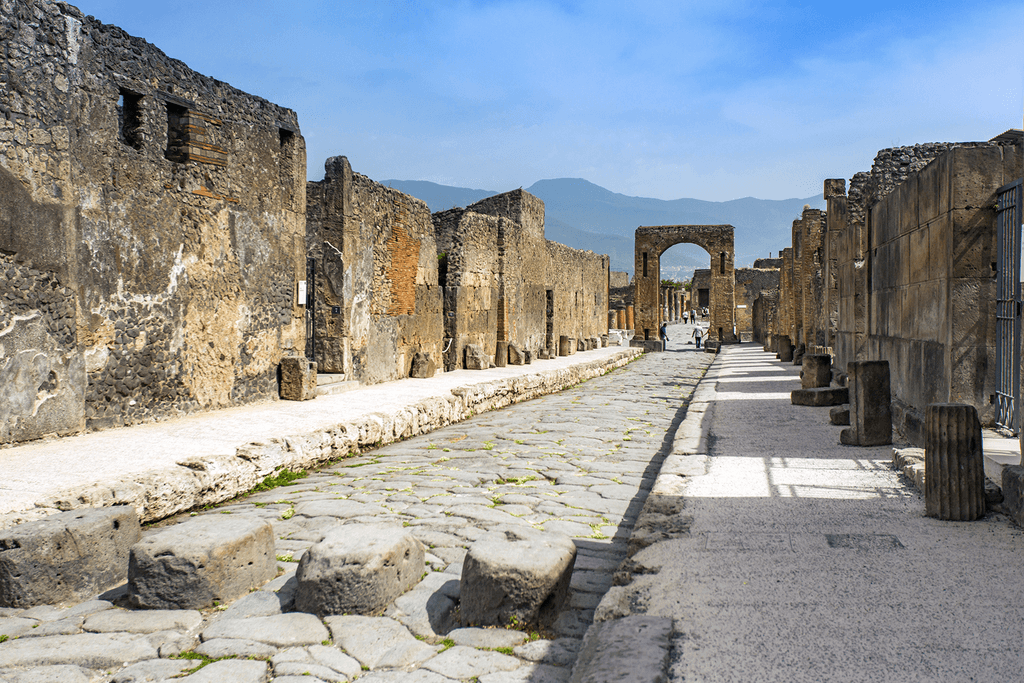
Pompeii deserves at least three hours, not a quick stop between trains. The archaeological park now uses named tickets and limits admissions to 20,000 visitors daily, making advance planning sensible. Check the official Pompeii visitor information before arriving.
8. Amalfi Coast
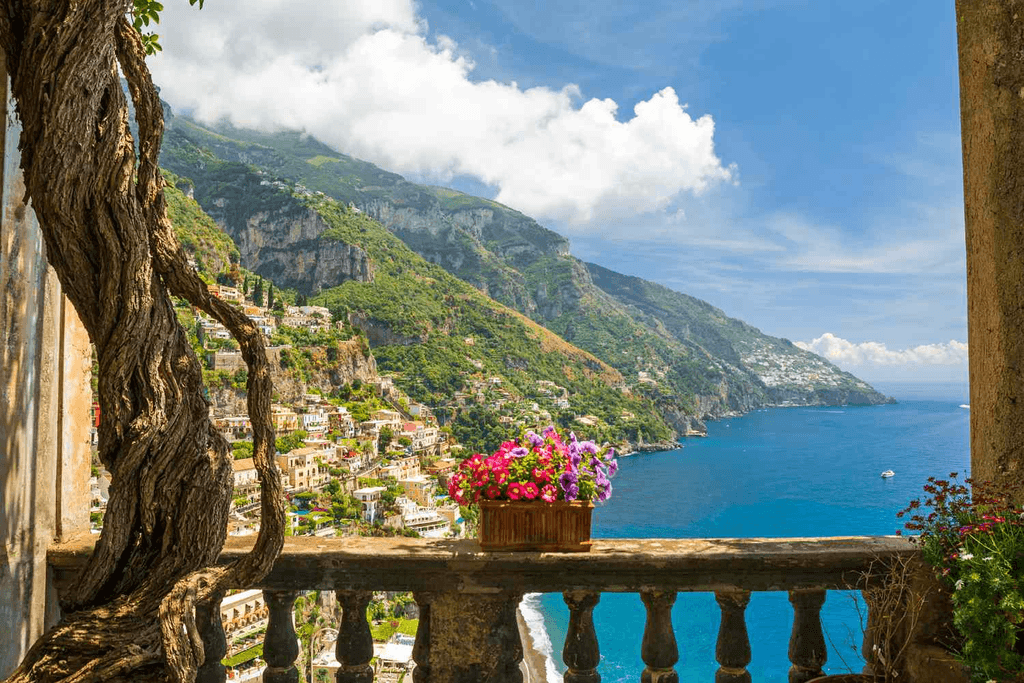
The Amalfi Coast is best enjoyed slowly. Positano gets the photographs, but Amalfi, Ravello and smaller coastal stops add substance. Italy’s official Amalfi Coast guide highlights the coastline from Positano through Vietri sul Mare.
When ferries suit your route and weather, they can remove the stress of parking and winding coastal traffic.
Also read – Is Italy Worth Visiting Luxury Villas in Italy?
9. Cinque Terre
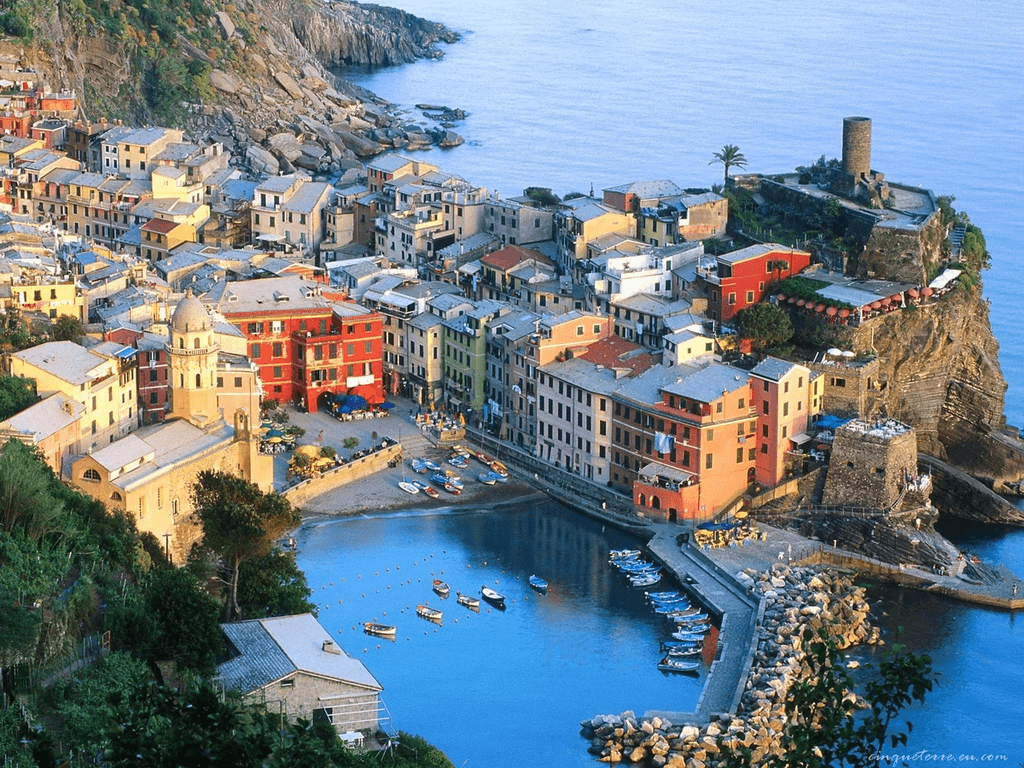
Cinque Terre works better as five villages than five boxes to tick. Monterosso, Vernazza, Corniglia, Manarola and Riomaggiore line an 18-kilometre stretch of Ligurian coastline. Italy’s official Cinque Terre guide explains the villages and landscape.
10. Leaning Tower of Pisa
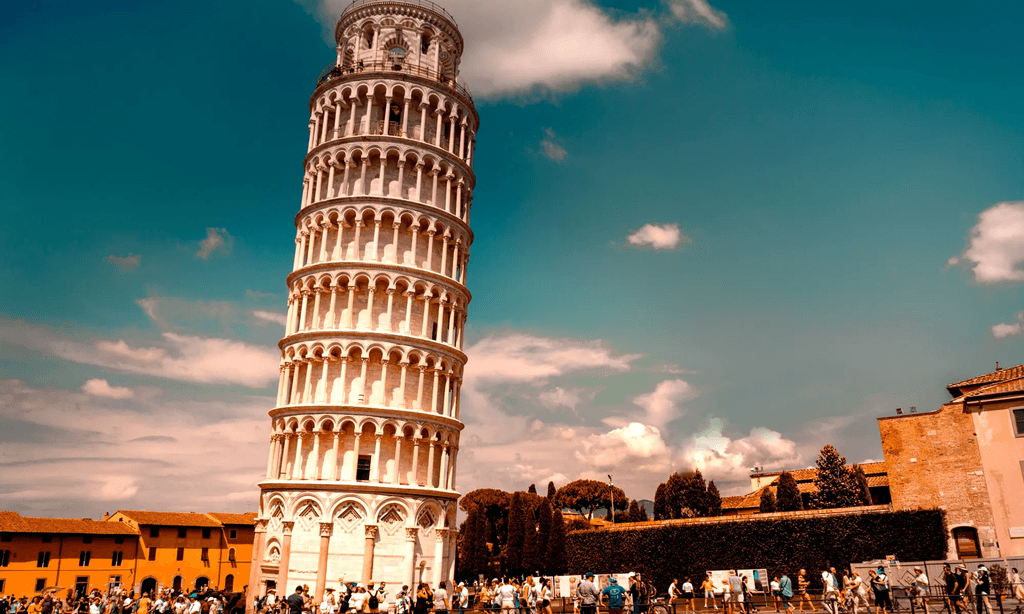
Do not travel to Pisa solely for the leaning-photo pose. Piazza dei Miracoli also contains the cathedral and baptistery. The tower itself has 273 steps, according to the official Italy tourism guide to the Leaning Tower.
Also read – Croatia vs Italy: Which Is Best for Your Vacation or Living
11. Piazza del Campo, Siena
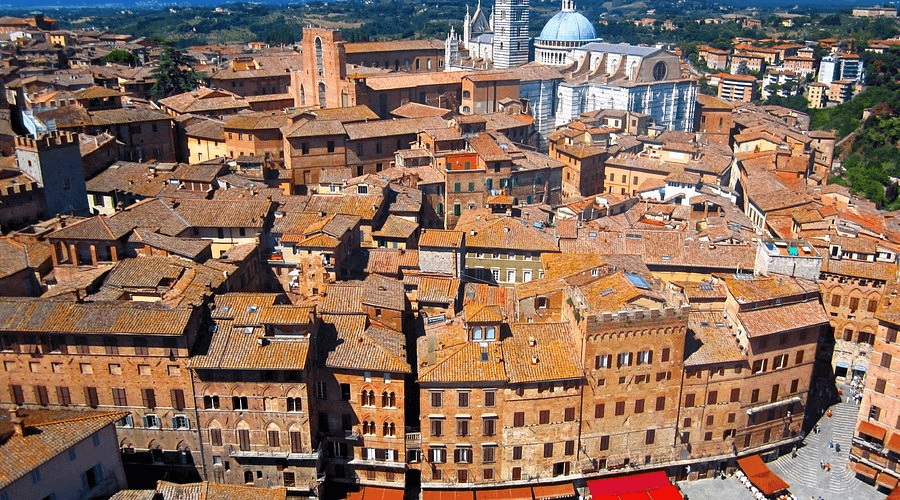
Siena rewards travelers who remain into the evening. Piazza del Campo’s shell-shaped medieval layout feels completely different after the biggest tour groups disappear. Italy’s tourism authority calls it the medieval heart of Siena.
12. Lake Como
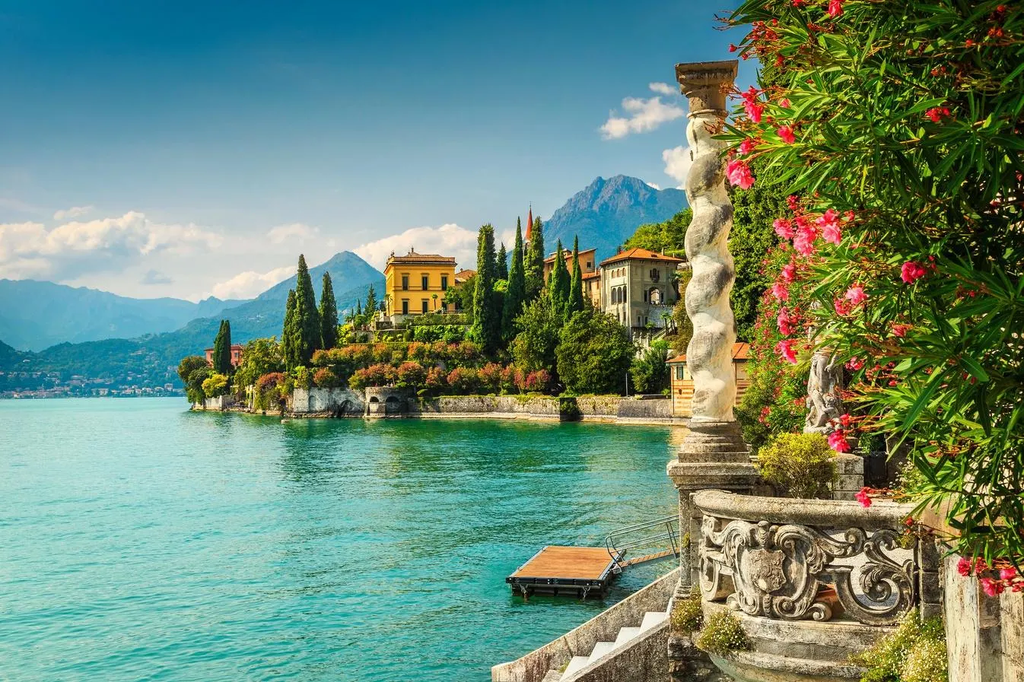
Lake Como makes more sense by boat than from one village. Bellagio, Varenna and other lakeside communities reveal the geography as you cross between them; Italy’s official Lake Como guide specifically recommends exploring by boat.
13. Milan Duomo
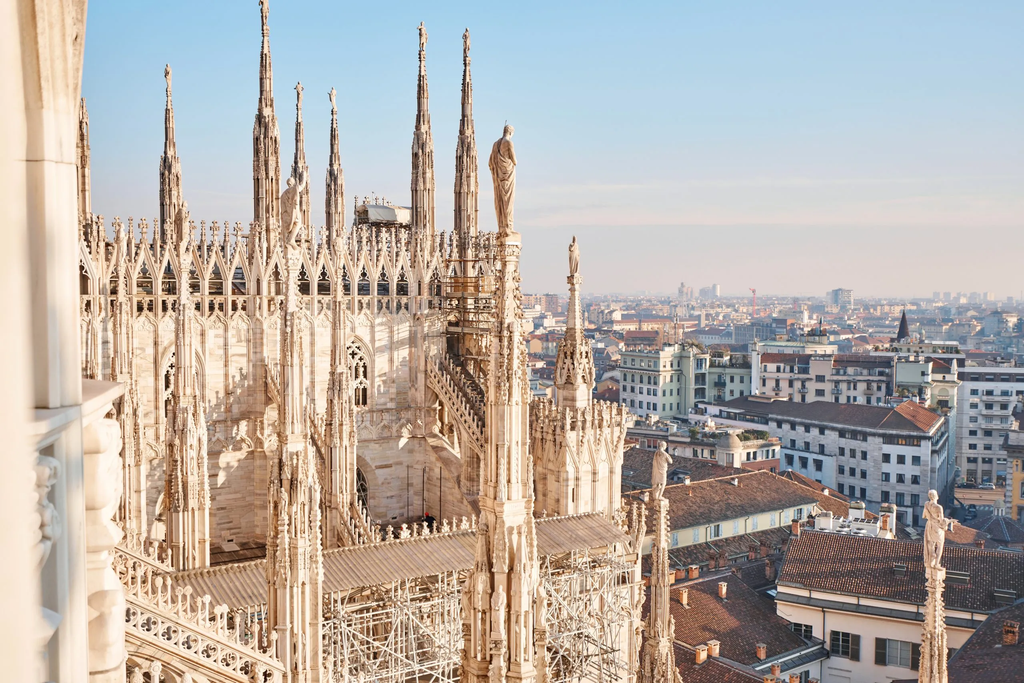
The rooftop is what turns Milan Cathedral from a church visit into a memorable experience. Check current access and ticket combinations directly with the official Duomo di Milano website before visiting.
14. Dolomites
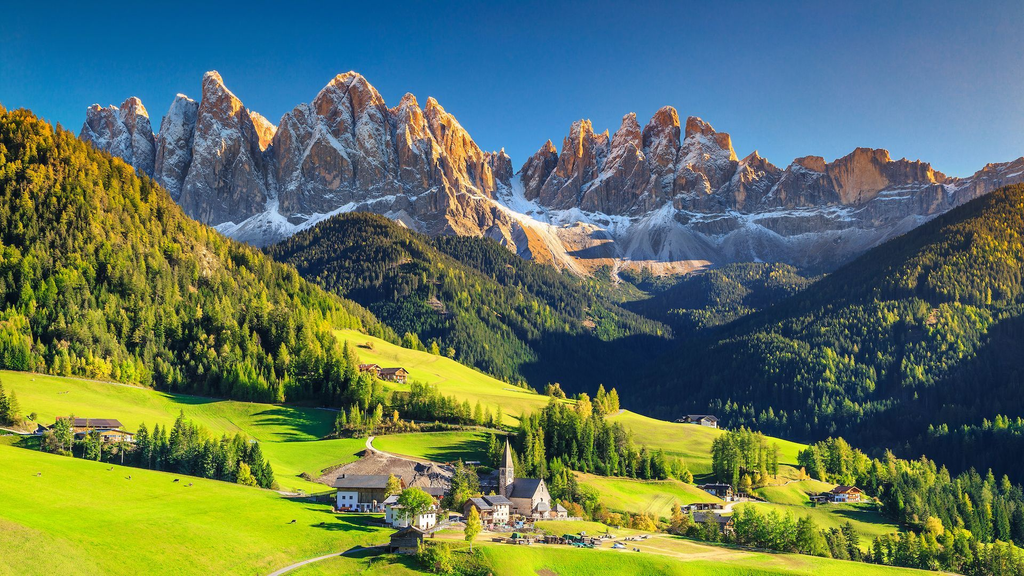
The Dolomites deserve several nights if hiking or scenery matters to you. The UNESCO-listed mountain system spans more than 140,000 hectares, with Tre Cime di Lavaredo among its most photographed landscapes. Italy’s official Dolomites guide covers the main areas.
15. Verona Arena
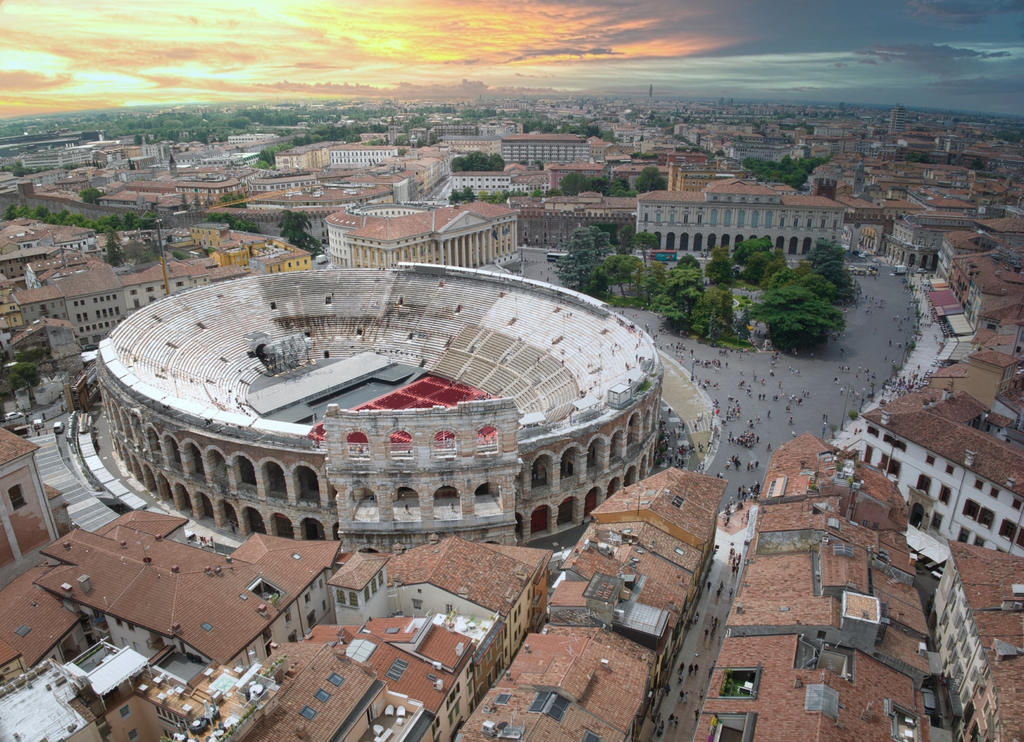
Verona Arena becomes especially memorable when your visit coincides with an evening performance. Built before Rome’s Colosseum, the amphitheatre later became famous for opera and concerts. Italy’s official Arena di Verona guide explains its Roman history.
Which Italy Attractions Should First-Time Visitors Prioritize?
For a 7-day first trip, choose Rome, Florence and Venice rather than attempting all 15. With 10–14 days, add Pompeii and the Amalfi Coast, Cinque Terre or northern Italy.
The mistake travelers remember is rarely missing attraction number 14. It is spending so much time changing hotels and catching trains that Italy becomes a checklist instead of a trip.

