I still remember opening my laptop in a small café near Mirissa, the smell of salt in the air, WiFi surprisingly strong, and thinking, this country feels built for slow, meaningful remote work. Sri Lanka has always attracted long-stay travelers, but until recently, staying legally long-term as a remote worker required visa runs and creative extensions.
That changed with the Sri Lanka Digital Nomad Visa – a formal pathway designed for location-independent professionals who want to live and work remotely from the island. Below is the most accurate, user-first, and up-to-date breakdown of the eligibility rules, documents, application steps, costs, and real-life expectations, written clearly and practically, without fluff.
What Is the Sri Lanka Digital Nomad Visa?
The Sri Lanka Digital Nomad Visa is a long-stay residence visa that allows foreign nationals to live in Sri Lanka while working remotely for overseas employers, clients, or businesses.
This visa is not an employment visa. You cannot work for a Sri Lankan company or earn income locally. It is designed exclusively for people earning foreign-sourced income.
Key idea: Live in Sri Lanka, earn abroad.
Quick Overview of Sri Lanka Digital Nomad Visa at a Glance
Digital Nomad Visa – Sri Lanka
Sri Lanka has introduced the Digital Nomad Visa (DNV) to welcome foreign professionals who wish to live in the country while working remotely for overseas employers or clients. The program supports Sri Lanka’s goal of becoming a long-stay destination for digital professionals, encouraging tourism, extended residence, and international collaboration.
1. Who Can Apply
- Foreign nationals aged 18 years and above
- Spouses and dependent family members of the primary applicant
2. Eligibility Requirements
- The main applicant must be at least 18 years old
- Must be employed remotely, working as a freelancer, or operating a business that is registered outside Sri Lanka
- All income must be generated from foreign sources
- Minimum monthly remittance:
- USD 2,000 for the main applicant
- If more than two dependents are included, an additional USD 500 per month per dependent
3. Required Documents
All applicants must submit:
- Completed visa application form
- Formal request letter from the applicant
- Copy of passport (minimum validity of 6 months)
- Two recent passport-size photographs
- Marriage certificate (if applicable)
- Birth certificates for dependent children (if applicable)
- Completed security clearance form
- Medical clearance report
- Police clearance certificate from country of origin or residence (issued within the last three months)
- Valid international health insurance covering Sri Lanka
- Recommendation letter from the Ministry of Digital Economy
- Evidence of required monthly income remittances
4. Application Process
Step 1: Submit all required documents to the Residence Visa Division of the Department of Immigration and Emigration
Step 2: Authorities review documents and verify eligibility
Step 3: Upon approval, the visa endorsement is issued in the passport
5. Visa Validity
One (1) year
6. Visa Renewal
Applicants seeking an extension must submit all standard documentation along with proof of tax registration with the Inland Revenue Department.
7. Visa Fees
- Main applicant: USD 500 per year
- Spouse: USD 500 per year
- Each dependent: USD 500 per year
8. Benefits of the Visa
Visa holders may:
- Live legally in Sri Lanka for up to 12 months (renewable)
- Open and maintain personal bank accounts
- Rent or lease residential property
- Enroll children in international or private schools
- Access internet, telecom, and utility services
- Participate in co-working spaces, ICT initiatives, and tourism-related programs
9. Conditions of Stay
- Must comply with Sri Lankan immigration, tax, and legal regulations
- Local employment within Sri Lanka is not permitted
- Political or disruptive activities are prohibited
- Any changes to employment, income level, or dependents must be reported within 30 days
- Breach of conditions may result in visa cancellation
10. Termination of Visa
By Applicant
- Two months’ written notice required
- Inform authorities at least 14 working days before permanent departure
By Authorities
- Failure to meet income, compliance, or legal obligations
- If applicant is considered a risk to national security or public order
11. Visa Authority Contact Information
Department of Immigration and Emigration – Visa Division
“Suhurupaya”, Battaramulla, Sri Lanka
Website: www.immigration.gov.lk
Email: contvisa@immigration.gov.lk
Telephone: +94 11 2101540
Taxation Rules for Digital Nomads
This is one of the biggest advantages.
Foreign Income Tax
- Income earned outside Sri Lanka is not taxable in Sri Lanka
- You remain responsible for taxes in your home country or tax residence
Still, consult a tax professional if you plan to stay long-term.
Also read – Why Digital Nomads Are Leaving Mexico City
Where Digital Nomads Actually Live in Sri Lanka?
From personal experience and community trends, these locations stand out:
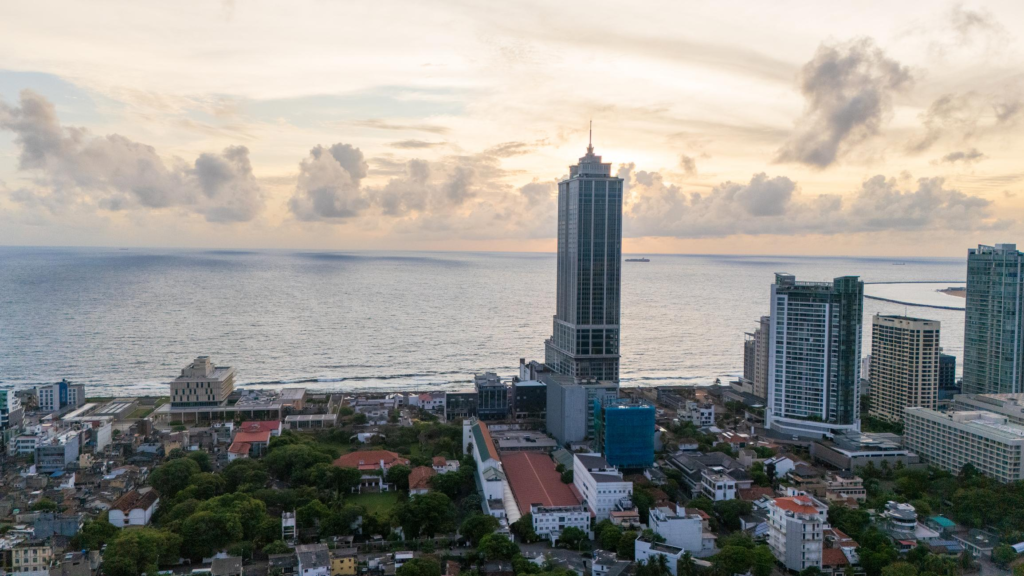
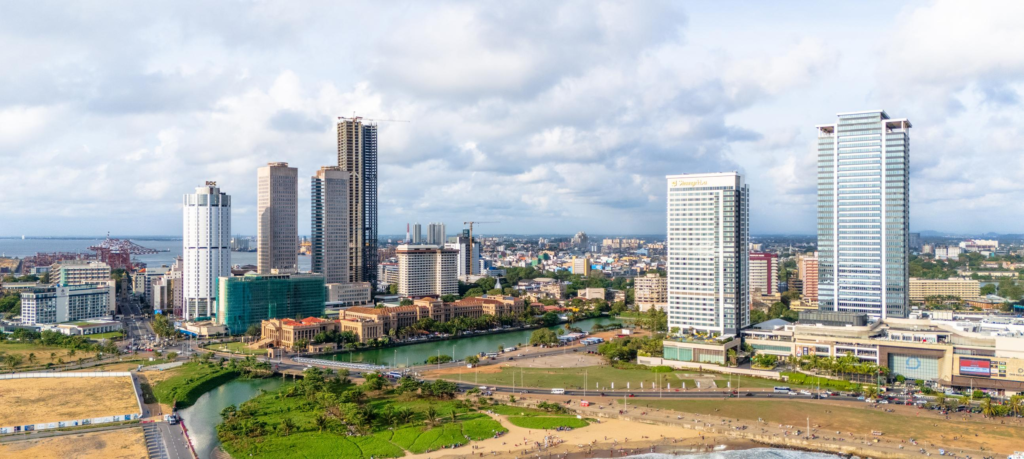
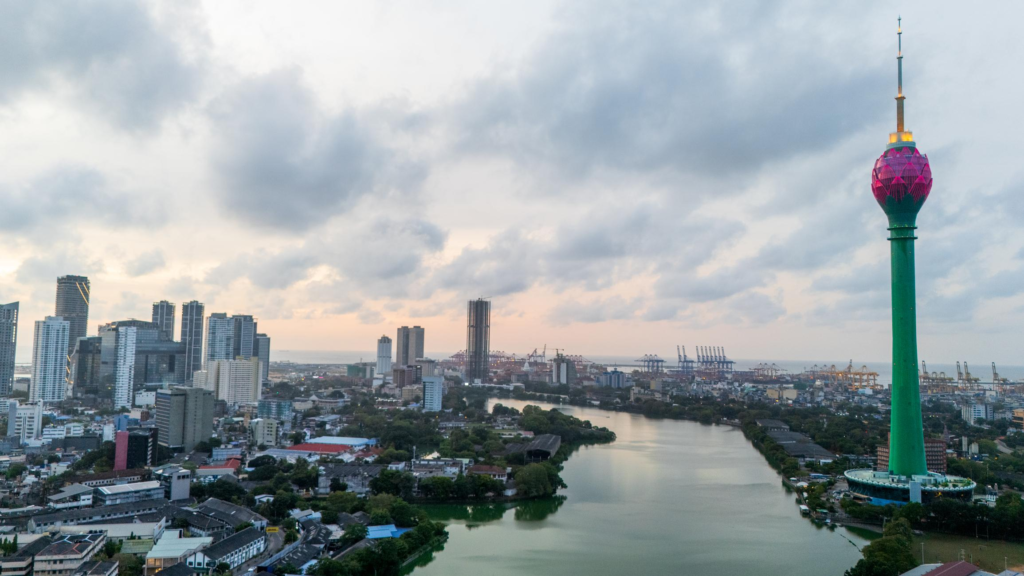
- Colombo for infrastructure and coworking
- Galle for slow coastal living
- Mirissa for surf and cafés
- Kandy for culture and cooler weather
Internet quality is best in Colombo and tourist hubs. Rural areas are improving but still inconsistent.
Pros and Cons of the Sri Lanka Digital Nomad Visa
Pros
- Affordable cost of living
- Warm climate year-round
- Welcoming culture
- No tax on foreign income
- One-year legal stay
Cons
- Bureaucratic processing pace
- Documentation-heavy
- Internet reliability varies by region
Knowing these upfront saves frustration later.
Common Mistakes to Avoid in Sri Lanka Digital Nomad Visa
- Submitting unclear income proof
- Using short-term travel insurance
- Assuming tourist visas allow remote work
- Not keeping copies of all documents
I have seen applications delayed for weeks due to something as small as mismatched bank statement names.
Is Sri Lanka a Good Choice for Digital Nomads?
If you value slow living, affordability, nature, and culture, Sri Lanka is a deeply rewarding base. It is not flashy like Bali or hyper-connected like Singapore, but it offers something richer. Space to breathe, work, and live deliberately.
Is Sri Lanka officially offering a Digital Nomad Visa?
Yes. Sri Lanka has introduced an official Digital Nomad Visa category that allows foreign nationals to live in the country while working remotely for overseas employers or clients.
What is the minimum income required for the Sri Lanka Digital Nomad Visa?
Applicants must prove a minimum monthly income of USD 2,000, earned from sources outside Sri Lanka. Income must be stable and verifiable through documents.
Can I work for a Sri Lankan company on a Digital Nomad Visa?
No. Digital Nomad Visa holders are not allowed to work for Sri Lankan companies or earn income from local sources. All income must come from abroad.
How long is the Sri Lanka Digital Nomad Visa valid?
The visa is issued for up to one year and may be renewed, subject to meeting eligibility requirements and immigration approval.
Can freelancers and self-employed people apply?
Yes. Freelancers, consultants, and self-employed professionals are eligible, as long as they can prove consistent foreign income and remote work arrangements.
Can I bring my spouse or children on this visa?
Yes. The Digital Nomad Visa allows dependents, including a legally married spouse and dependent children, with additional documentation and fees.
Do Digital Nomads pay tax in Sri Lanka?
No. Foreign-sourced income is not taxed in Sri Lanka under the Digital Nomad Visa. However, applicants remain responsible for taxes in their home country or tax residence.
Can I apply for the Digital Nomad Visa while already in Sri Lanka?
In many cases, yes. Applicants may enter Sri Lanka on a valid visa and convert or apply for the Digital Nomad Visa through the Department of Immigration, subject to approval.
Is health insurance mandatory for the Sri Lanka Digital Nomad Visa?
Yes. Applicants must have valid health insurance covering the full duration of stay, including emergency medical treatment and hospitalization in Sri Lanka.
Is Sri Lanka a good country for digital nomads in terms of internet and cost of living?
Yes. Sri Lanka offers a low cost of living, reliable internet in major cities and tourist hubs, and a growing digital nomad community, especially in Colombo, Galle, and southern beach towns.

