Key Highlights
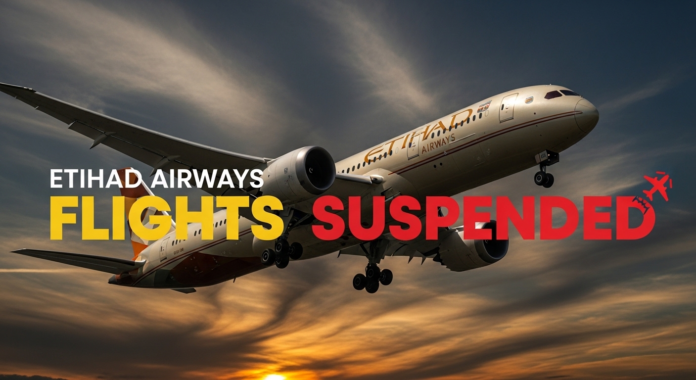
- Etihad Airways extends suspension of select flights to and from Abu Dhabi.
- Disruption linked to ongoing regional airspace restrictions.
- Affected passengers offered rebooking and refund options.
- Move reflects wider aviation safety measures across the Middle East.
What Happened to Etihad’s Abu Dhabi Flights?
Etihad Airways has extended the suspension of certain Abu Dhabi flights due to continued regional airspace disruptions affecting operational safety and routing.
The airline confirmed that select services to and from Abu Dhabi remain temporarily halted. The decision follows evolving airspace conditions in parts of the Middle East that have restricted normal flight paths.
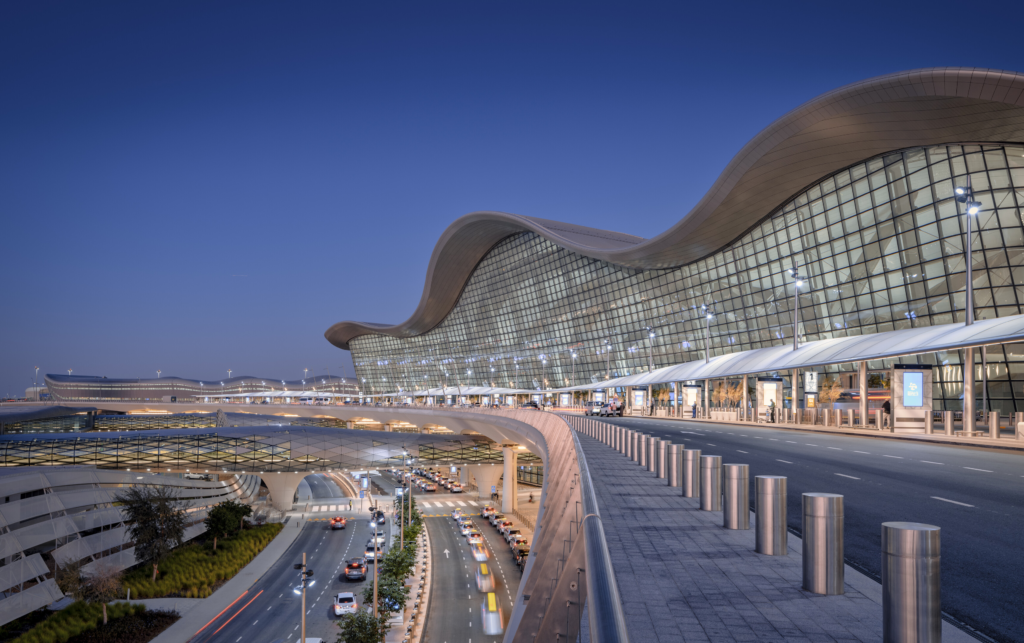
Operations at Zayed International Airport are being adjusted as authorities assess airspace accessibility and safety corridors.
Why Is Etihad Extending the Suspension?
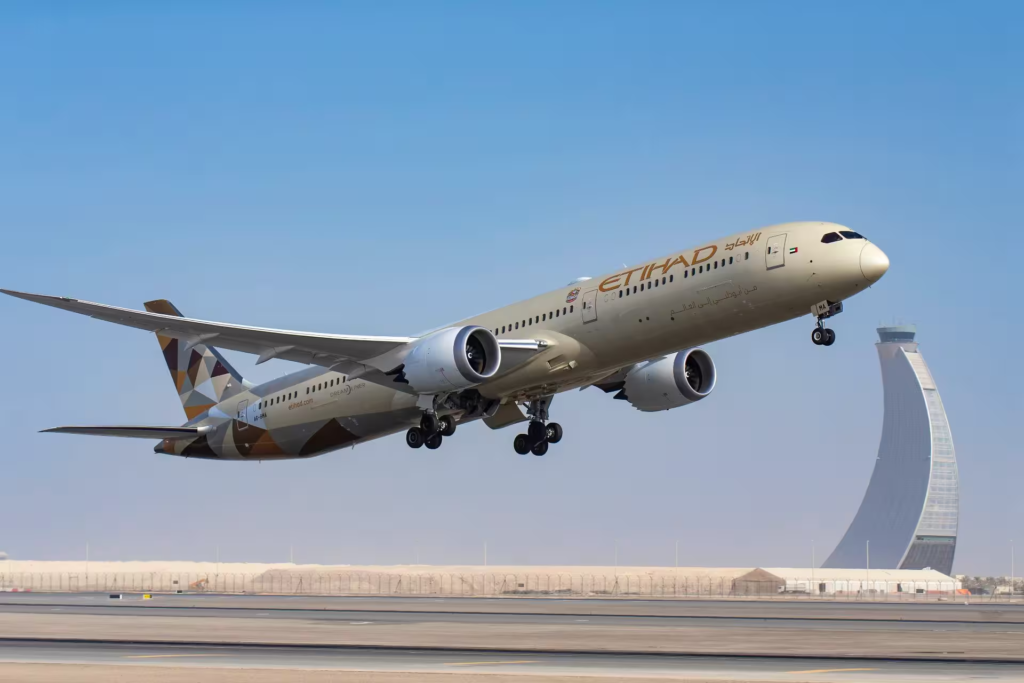
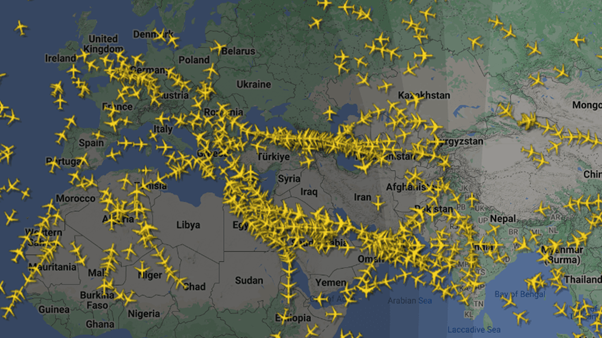
Flights are suspended because regional airspace restrictions have limited safe and efficient routing options, impacting flight operations.
Airlines depend on internationally coordinated air traffic management systems. When certain air corridors become unavailable due to geopolitical or operational factors, carriers must:
- Reroute flights through longer paths
- Cancel routes that are no longer viable
- Adjust aircraft rotation schedules
- Prioritize passenger and crew safety
Etihad stated that the extension reflects ongoing uncertainty in regional airspace management.
Which Flights Are Affected?
While not all routes are impacted, select regional and international services are affected depending on the airspace restrictions in force.
Passengers scheduled to travel should:
- Check flight status through Etihad’s official channels
- Confirm departure times before heading to the airport
- Review rebooking or refund eligibility
Airlines are updating schedules dynamically as conditions evolve.
What Should Passengers Do Now?
Passengers booked on affected flights can typically choose between rebooking, refunds, or travel credit depending on fare conditions.
Etihad has activated standard disruption support measures:
| Option | Details |
|---|---|
| Rebooking | Free change to alternative available flight |
| Refund | Full refund to original payment method |
| Travel Credit | Future travel voucher |
Travelers are advised to monitor official updates and avoid unnecessary airport visits if flights are canceled.
How Regional Airspace Disruptions Impact Aviation
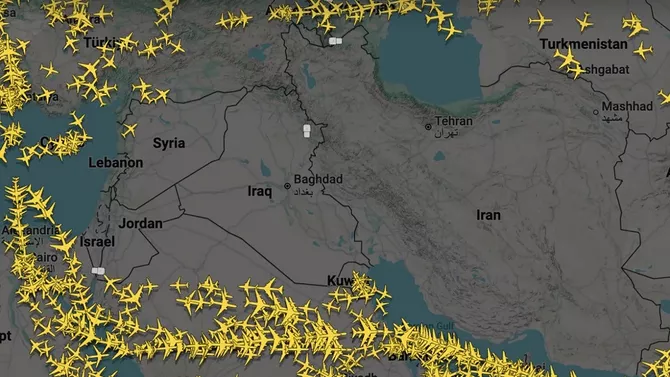
Airspace restrictions can significantly alter airline operations. When a specific flight corridor is restricted:
- Flight times may increase due to rerouting
- Fuel costs rise due to longer sectors
- Aircraft scheduling becomes complex
- Crew duty time limits must be recalculated
In some cases, extended detours are not operationally viable, leading airlines to temporarily suspend affected routes.
Is This a Safety Concern?
The suspension is a preventive operational measure, not an in-flight safety incident.
Airlines suspend flights when safe routing cannot be guaranteed within regulatory frameworks. This reflects adherence to international aviation safety standards rather than reactive emergency action.
Global aviation authorities emphasize proactive route management during airspace volatility.
Broader Trend: Airspace Volatility in 2026
The global aviation industry in 2026 continues to face periodic airspace adjustments due to geopolitical tensions, security reviews, and regional coordination changes.
Emerging trends include:
- Real-time AI-based route optimization
- Enhanced air traffic data sharing between countries
- Predictive risk monitoring systems
- Flexible fleet deployment strategies
Airlines like Etihad are increasingly using advanced analytics to navigate restricted corridors while minimizing passenger disruption.
How This Affects Abu Dhabi’s Aviation Hub Status
Abu Dhabi remains a key global transit hub connecting Asia, Europe, and Africa. Temporary suspensions may affect short-term capacity, but long-term network resilience remains strong.
The UAE aviation sector has consistently demonstrated rapid operational recovery in response to:
- Weather disruptions
- Airspace constraints
- Regional operational adjustments
Strategic planning ensures minimal long-term impact on connectivity.
Timeline of Events
- Initial regional airspace disruption occurs
- Etihad suspends select flights
- Airspace restrictions continue
- Airline extends suspension
- Passenger support measures activated
Why has Etihad Airways suspended flights from Abu Dhabi?
Etihad has suspended flights due to regional airspace disruptions caused by military activity and geopolitical tensions in the Middle East, which have made certain flight corridors unsafe for commercial aviation.
How long will Etihad’s flight suspension last?
There is no confirmed end date. Etihad is monitoring the situation in real time and will resume operations once airspace authorities confirm that corridors are safe. Passengers should check Etihad’s official channels for daily updates.
Can I get a full refund from Etihad for my cancelled flight?
Yes. Etihad is offering full refunds to passengers whose flights have been cancelled due to the airspace disruption. You can request a refund through the Etihad website, mobile app, or by contacting customer service.
What alternative airlines can I use to travel from the UAE right now?
Emirates (Dubai), Qatar Airways (Doha), Turkish Airlines (Istanbul), and Oman Air (Muscat) are operating alternative routes. Travelers with urgent plans should explore these options.
How can I check if my Etihad flight is affected?
Visit etihad.com, use the Etihad Airways mobile app, or call their 24/7 customer service line. You can also check real-time flight tracking on platforms like Flightradar24 or FlightAware.

