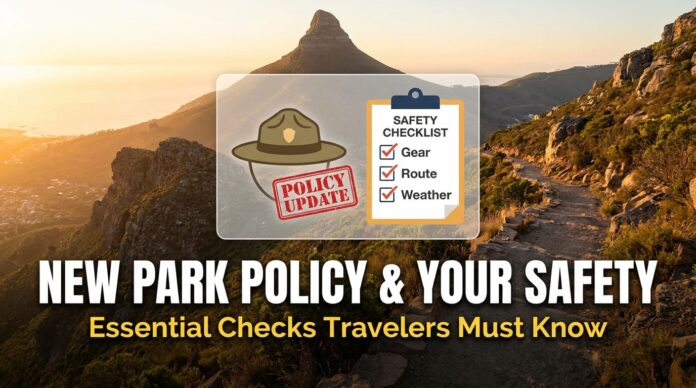
National park visitors may now hear less official information after deaths or serious injuries, so travelers should check safety alerts before every hike, drive, swim, or backcountry trip. A reported Department of the Interior memo has raised concerns because park staff may be limited in what they can publicly confirm after fatal or severe incidents.
For travelers, the key question is simple: how do you stay safe when official details may arrive late or sound vague?
Why Are National Park Death Reports Changing?
The reported rule limits what Interior and National Park Service staff can say after fatal or serious incidents. According to recent reporting, staff may confirm that an incident happened, where it generally happened, and that authorities are responding, but they may not directly confirm a death or injury severity.
The Interior Department says the guidance is meant to protect families, respect investigations, and create consistent communication. That matters. Families should be notified first.
But travelers also need timely warnings, especially when an incident points to a live risk such as extreme heat, fast water, slick rock, wildlife activity, road closures, or trail failure.
Also read – 10 Best Balancing Rocks Places in the World to Travel
Are National Parks Still Safe To Visit?
Yes, national parks are still safe for prepared visitors, but “beautiful” does not mean “risk-free.” The National Park Service mortality data shows an average of 358 deaths per year in validated 2014-2019 data across 420-plus park sites. That is a small number compared with hundreds of millions of visits, but the causes matter.
| Risk Travelers Often Underestimate | Why It Becomes Dangerous |
|---|---|
| Heat | Symptoms can build before hikers realize they are in trouble |
| Waterfalls and rivers | Cold, fast water can overpower strong swimmers |
| Falls | One shortcut or photo spot can put visitors off stable ground |
| Driving | Park roads can be narrow, dark, crowded, and wildlife-heavy |
| Medical events | Long hikes can expose hidden health issues |
What Should Travelers Check Before Visiting A National Park?
Check park alerts first, not social media rumors first. Before leaving your hotel, campsite, or rental car, open the official park page and look for alerts, closures, weather notes, and trail warnings.
Use this quick routine:
- Check the park’s official NPS alerts page.
- Download offline maps because cell service often disappears.
- Ask a ranger what changed in the last 24 hours.
- Check heat, river, road, and air-quality warnings.
- Tell someone your route and return time.
A smart habit: take a screenshot of the trail map, parking area, and emergency phone number before you lose signal. It feels unnecessary until you are standing at a fork with 8 percent battery.
What Recent Grand Canyon Deaths Show About Heat Risk
Heat can kill even when rescue teams respond fast. In June 2026, Grand Canyon officials reported three apparent heat-related deaths on Inner Canyon trails, where midday temperatures can exceed 109°F in the shade. The park encouraged visitors to stay off Inner Canyon trails from 10 a.m. to 4 p.m., according to the official Grand Canyon release.
Do this instead:
- Start before sunrise in extreme heat.
- Turn around earlier than your ego wants.
- Drink before you feel thirsty.
- Eat salty snacks, not just water.
- Skip rim-to-river-to-rim day hikes unless you are trained for it.
Also read – Tripadvisor’s Most Popular Summer Destinations for 2026
What Not To Do In National Parks Right Now
Do not assume silence means everything is fine. If there is no public death report, that does not mean there were no dangerous conditions.
Avoid these mistakes:
- Do not climb around waterfall edges for photos.
- Do not enter fast-moving water because others are doing it.
- Do not hike in peak heat to “save time.”
- Do not rely only on your phone map.
- Do not ignore vague phrases like “incident under investigation.”
The NPS Hike Smart guide warns visitors to stay away from rapid water, slippery slopes, and risky water crossings. That advice sounds basic, but most bad outdoor decisions start with one small shortcut.
Bottom Line For Travelers
The safest visitor is the one who plans like official details may be delayed. National parks remain worth visiting, but travelers need to read alerts, ask questions, respect weather, and treat water, heat, cliffs, and roads as real hazards.
The best rule is simple: if the conditions feel worse than the brochure promised, adjust the plan. A shorter hike, earlier start, or skipped viewpoint is not a failed trip. It is how experienced travelers come home with a story instead of becoming one.

