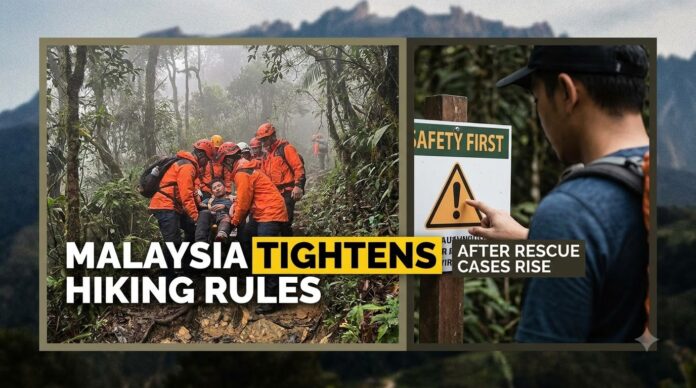
Malaysia is tightening hiking rules at high-risk trails after a rise in lost-hiker cases and growing concern over rushed, social media-driven climbs.
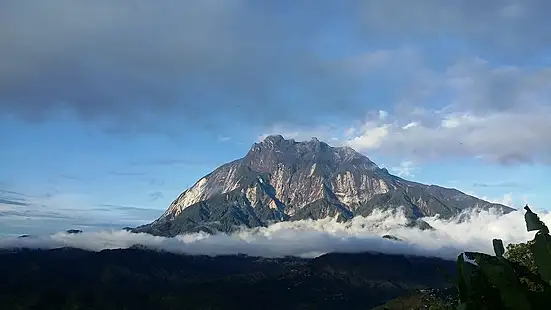
The changes matter to both local hikers and international visitors. Depending on the trail and state, hikers may now face mandatory guides, permit restrictions, health declarations, insurance checks or minimum climbing times.
The rules are not one simple nationwide ban covering every footpath. Malaysia’s forests and hiking areas are managed through federal and state authorities, so the exact requirement can differ by destination.
What Are Malaysia’s New Hiking Rules?
The biggest change is tighter control at 189 high-risk hiking locations where Forestry Mountain Guides are required.
Malaysia’s deputy natural resources and environmental sustainability minister told Parliament that guide services are mandatory at these identified locations. Authorities are also strengthening safety screening and working with police, firefighters, tourism agencies and industry groups.
The main measures include:
- Mandatory certified guides at 189 high-risk locations
- Restrictions or bans on “compressed hikes”
- Health declarations before selected climbs
- Checks of relevant medical history
- Insurance requirements for some activities
- Stricter permit approval
- Greater monitoring of hikers entering and leaving trails
A compressed hike means attempting a difficult route in a much shorter period than normally recommended, often completing a multi-day or lengthy mountain route in a single push.
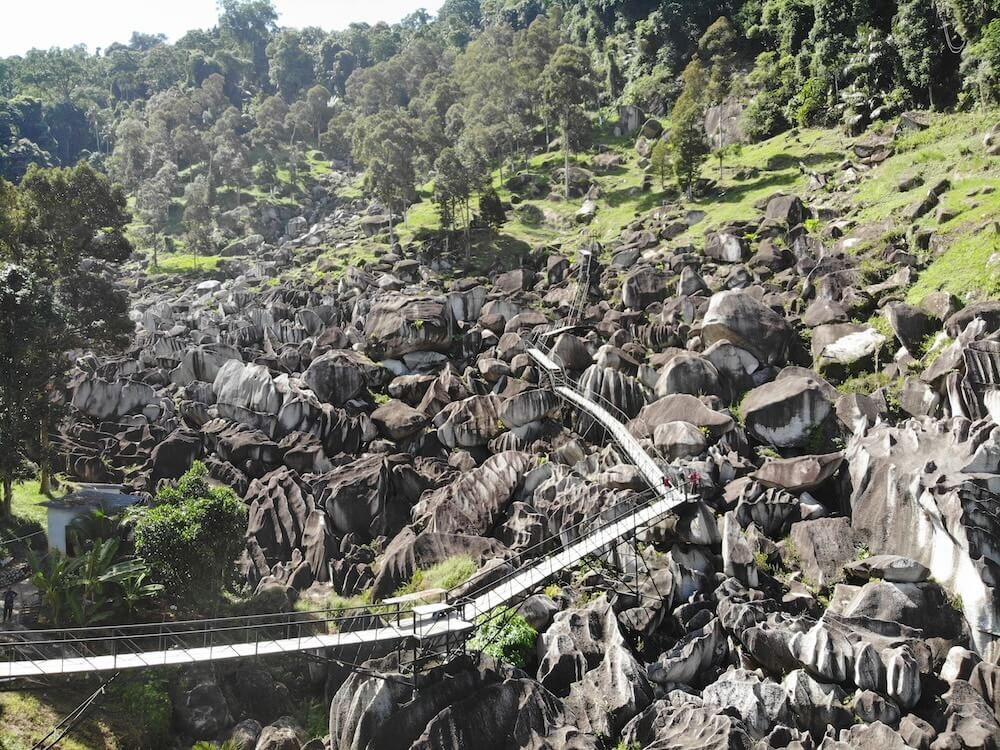
Why Is Malaysia Tightening Hiking Rules Now?
Malaysia recorded 52 lost-hiker cases during the first five months of 2026, almost 30% more than during the same period in 2025.
Authorities are particularly concerned about hikers who:
- Copy fast itineraries seen on social media
- Carry too little food, water or emergency equipment
- Start difficult routes without enough fitness
- Separate from their group
- Underestimate tropical heat and heavy rain
- Continue climbing after conditions deteriorate
The problem with an impressive one-day itinerary is that it rarely shows the full reality. A short summit video does not reveal how much training the hiker completed, whether a support team was present or how close the group came to running out of daylight.
On a Malaysian forest trail, darkness, rain and fatigue can turn a manageable route into a rescue situation very quickly.
Also read – Malaysia Pushes Visa-Free Russia Travel and Direct Flights as It …
Are Compressed Hikes Banned Across Malaysia?
Compressed hikes are restricted at several high-risk mountain routes, but enforcement differs by state and trail.
Perak imposed an immediate ban on day hikes and compressed climbs at selected dangerous mountain routes in June 2026. Forestry guides who ignore the directive can face suspension or blacklisting.
Selangor separately suspended applications for trans-hiking and compressed-hiking activities within its permanent forest reserves from July 1, following several safety incidents.
This distinction is important: Malaysia has not prohibited ordinary recreational hiking everywhere. The strictest controls target demanding routes, cross-country expeditions and itineraries that authorities consider unrealistically short.
Which Malaysia Hiking Rules Could Affect Tourists?
International visitors may need a permit and approved guide before entering a protected forest or high-risk trail.
| Requirement | What travelers should expect |
|---|---|
| Hiking permit | May be required for state parks or forest reserves |
| Certified guide | Mandatory at designated high-risk locations |
| Medical declaration | May be requested before difficult climbs |
| Insurance | May be required or checked for selected routes |
| Fixed itinerary | The approved route and duration must be followed |
| Group registration | Names and contact details may need to be submitted |
| Check-in process | Hikers may need to record entry and exit times |
Malaysia’s official Forestry Department lists forest eco-parks, hiking areas, admission information and permit systems, but arrangements differ among states. Travelers should therefore check the relevant state forestry authority rather than relying on an old travel blog or social media post.
How Can Travelers Check Whether a Guide Is Required?
Ask the state forestry department or park authority before booking transport or accommodation.
Use this process:
- Identify the official name of the mountain and entry trail.
- Confirm which Malaysian state manages it.
- Check the state forestry or park website.
- Ask whether a Forestry Mountain Guide is compulsory.
- Confirm the permitted route and minimum duration.
- Apply for the permit before paying a private guide.
- Keep the permit and guide details offline on your phone.
For Selangor forest reserves, applications are handled through the state’s SeForest permit system, and cross-state activities require approval from the relevant forestry departments.
A guide who says “no permit is needed because we enter early” is giving you a reason to cancel, not a shortcut.
What Should Hikers Carry in Malaysia?
Carry enough equipment to remain safe after sunset, even when the hike is advertised as a day trip.
A practical minimum kit includes:
- At least two independent light sources
- Offline trail map
- Power bank
- Whistle
- Basic first-aid supplies
- Waterproof layer
- Extra food
- More water than the planned distance appears to require
- Electrolytes
- Emergency contact details
- Personal medication
- Waterproof phone pouch
Malaysia’s heat and humidity can make a moderate trail feel far harder than its distance suggests. Sweat loss, slippery roots and sudden rain all reduce walking speed.
The smartest time decision is simple: set a turnaround time before starting. When that time arrives, return even when the summit appears close.
What Should You Do If You Become Lost on a Malaysia Hiking Trail?
Stop moving, preserve your phone battery and make your position easier for rescuers to locate.
A certified guide interviewed by Malaysia’s national news agency advised lost hikers to reduce unnecessary movement, avoid dehydration and remain near their last known location because wandering farther can complicate the search.
Follow these steps:
- Stop and confirm your last known point.
- Call Malaysia’s emergency number, 999, when assistance is required.
- Send GPS coordinates or a location pin.
- Contact the registered guide or park office.
- Use a whistle in sets of three.
- Conserve phone power by lowering brightness and closing apps.
- Protect yourself from rain and falling temperatures.
- Do not descend an unknown slope or follow an unmarked stream.
A common mistake is to keep walking because a road “must be nearby.” In dense forest, that decision can place the hiker deeper in difficult terrain and outside the original search area.
Do Malaysia’s New Rules Make Hiking Safer?
The rules can reduce avoidable emergencies, but they will work only when permits, guide standards and trail information are enforced consistently.
Malaysia’s search-and-rescue operations can involve firefighters, police, civil defense teams, forestry officers, volunteers and local communities. Safety advocates have also called for digital check-in systems, clearer signs, emergency location markers and regular trail inspections.
Guide requirements are useful when the guide is properly trained, knows the approved route and is willing to cancel in unsafe weather. A guide should never be treated as permission to arrive unfit or without essential equipment.
What Should Travelers Do Before Booking a Malaysia Hike?
Verify the permit, guide and realistic duration before paying.
Ask the operator these direct questions:
- Is this route officially open?
- Which authority issued the permit?
- Is a Forestry Mountain Guide required?
- What is the guide’s registration number?
- Is this itinerary classified as a compressed hike?
- What happens if heavy rain starts?
- What insurance is required?
- What is the latest safe turnaround time?
- How is an injured hiker evacuated?
Save screenshots of the answers. Avoid paying the full amount in cash without a receipt, and do not accept an unofficial trail entrance designed to bypass a permit checkpoint.
Bottom Line: Malaysia Hiking Rules Have Changed
Travelers should no longer assume that every Malaysian mountain can be climbed independently or completed as a fast day hike.
The safest approach is to verify the trail with the relevant state authority, obtain the correct permit, use a certified guide where required and reject unrealistic itineraries promoted mainly for social media impact.
Malaysia’s rainforests and mountains remain rewarding places to explore. The new rules are designed to keep a difficult hike from becoming a prolonged rescue operation.

