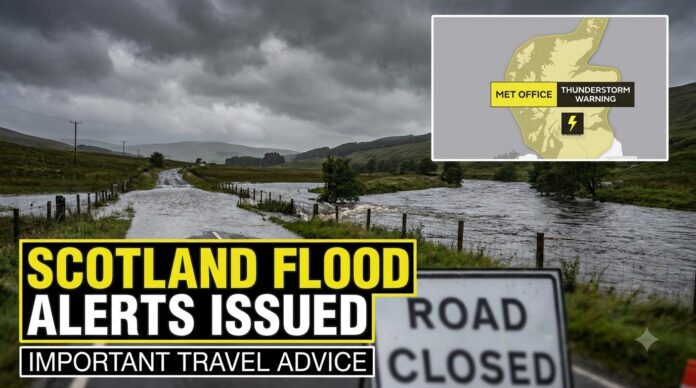
Travellers across northern and eastern Scotland should prepare for sudden flooding, difficult driving conditions and possible train delays as slow-moving thunderstorms bring intense bursts of rain.
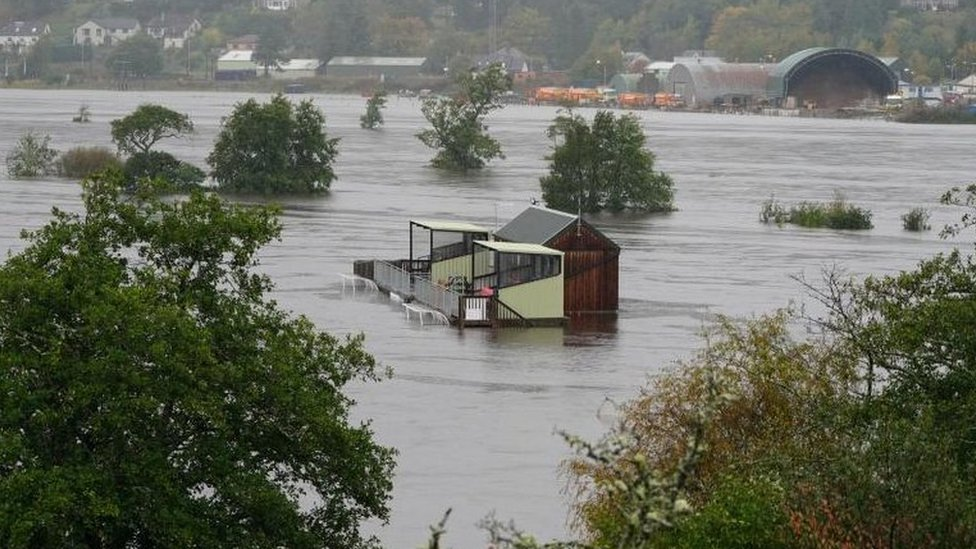
A Met Office yellow thunderstorm warning is in force from 1pm until 9pm on Wednesday, 5 August, covering Highland, Moray, Aberdeen, Aberdeenshire, Angus and Perth and Kinross. The storms could produce lightning, hail, gusty winds and up to 15–25mm of rain within one or two hours, with isolated locations potentially receiving around 40mm over three to six hours.
The warning does not mean every town will experience severe weather. It means conditions could deteriorate quickly where the heaviest showers become slow-moving.
Scotland Thunderstorm Warning at a Glance
| Key question | Current information |
|---|---|
| When is the warning active? | 1pm–9pm on Wednesday, 5 August 2026 |
| Which council areas are included? | Highland, Moray, Aberdeen, Aberdeenshire, Angus, Perth and Kinross |
| How much rain could fall? | 15–25mm in 1–2 hours; locally around 40mm in 3–6 hours |
| What weather is expected? | Heavy showers, thunderstorms, lightning, hail and gusty winds |
| What could affect travel? | Standing water, poor visibility, aquaplaning and possible road or rail delays |
| What level is the warning? | Yellow, assessed as medium likelihood and low impact |
The warning was updated at 9.41am, when its start time was moved to 1pm, its geographical area was refined and the most likely impact level was reduced. Travellers should therefore use the latest warning map rather than an earlier screenshot shared on social media.
Which Parts of Scotland Face a Flood Risk?
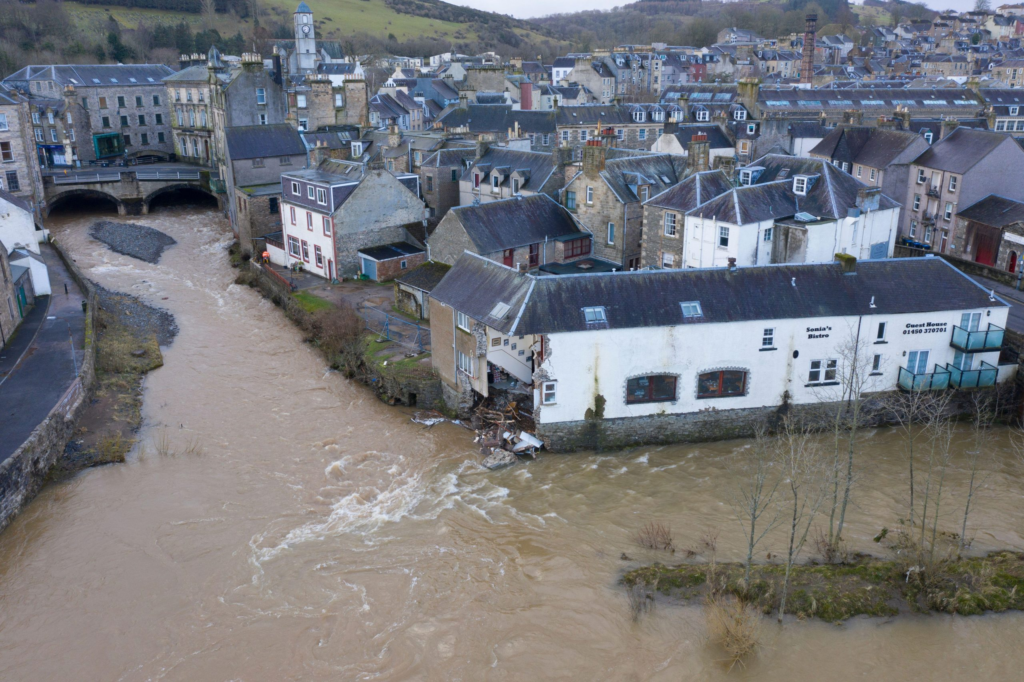
Surface-water flooding is most likely across parts of northern and eastern Scotland where a heavy storm remains over the same location.
The latest Scottish Flood Forecast from SEPA identifies flood risk across:
- Aberdeenshire and Aberdeen City
- Dundee and Angus
- Easter Ross and Great Glen
- Findhorn, Nairn, Moray and Speyside
- Skye and Lochaber
- Tayside
SEPA says surface-water flooding is likely in parts of the north and east. The most intense showers could cause limited flooding of roads and properties, along with local travel disruption.
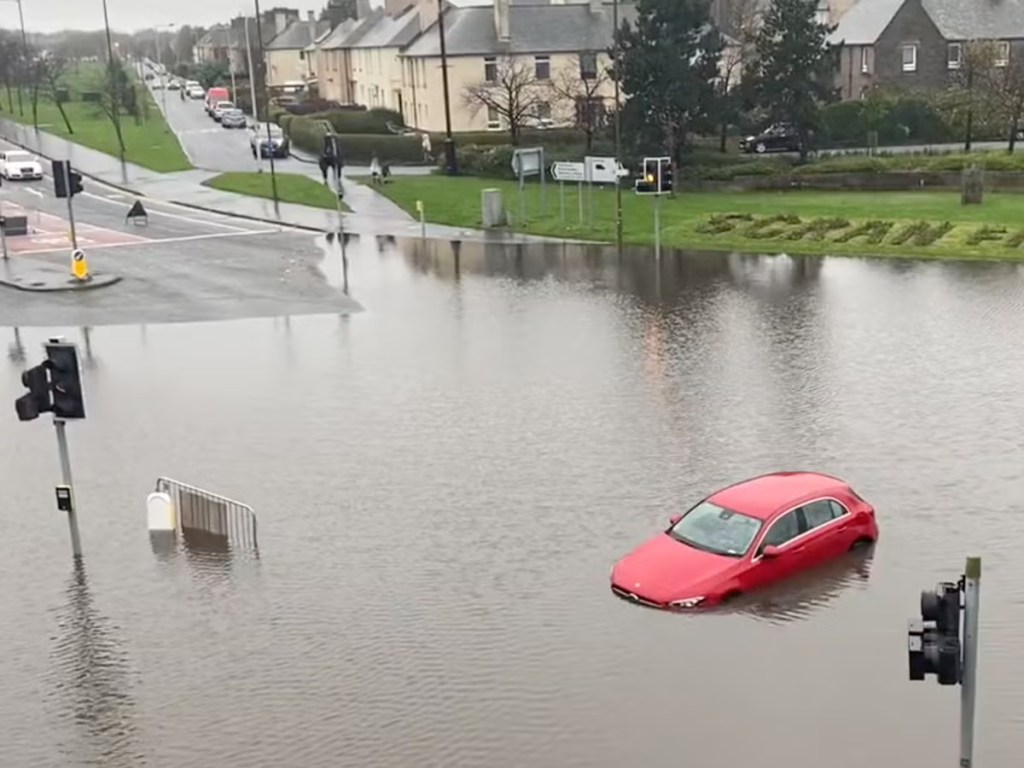
Places within or close to the weather-warning area include Aberdeen, Inverness, Elgin, Aviemore, Pitlochry and Montrose. However, a town’s inclusion does not guarantee flooding—the risk may vary sharply over only a few miles.
Will the Scotland Flood Alert Disrupt Travel?
Local disruption is possible, but no blanket instruction to avoid all travel has been issued.
The Met Office lists standing water, road spray, hail and longer journey times among the expected effects. Train delays are also possible, while isolated power cuts could affect homes, businesses, traffic signals or station facilities.
The practical problem is the storm’s uneven nature. One route may remain dry while another road a few miles away floods during a concentrated downpour.
Before leaving, check:
- The Met Office warning map
- The SEPA Scottish Flood Forecast
- Traffic Scotland’s live incident map
- ScotRail’s live journey checker
Checking once in the morning is not enough. Thunderstorm locations and road conditions can change while a traveller is having lunch, visiting an attraction or preparing to return to their accommodation.
How Should Drivers Travel During Heavy Rain in Scotland?
Slow down, increase the gap ahead and turn around when the depth of floodwater is uncertain.
Traffic Scotland’s wet-weather guidance says stopping distances in rain are at least twice those required on a dry road. It recommends using dipped headlights during daytime rain, maintaining a safe distance and reducing normal driving speed by approximately one-third when conditions require it.
Five Actions That Reduce the Risk
- Use dipped headlights, not only daytime running lights, when visibility falls.
- Leave a much larger stopping gap behind buses, lorries and other vehicles.
- Avoid cruise control when standing water is appearing on the road.
- Hold the steering wheel steadily and ease off the accelerator if the tyres lose contact with the road.
- Turn around at flooded roads when the water’s depth or road surface cannot be seen.
A common mistake is following another vehicle through floodwater because it appears to cross safely. A larger vehicle may have greater clearance, while the water may hide a damaged surface, open drain or strong current. Another driver reaching the other side does not make the crossing safe.
Traffic Scotland warns that floodwater can worsen quickly and may damage or sweep away a vehicle.
What Should Rail Passengers Do Before Travelling?
Check every section of the journey separately, particularly when changing trains.
ScotRail’s journey checker provides live route information and network updates. ScotRail notes that its direct-service checker may not cover an entire journey involving connections, so passengers should enter each leg separately.
Passengers should also:
- Allow extra time for connections
- Check the return journey before departing
- Keep a phone charger or power bank available
- Save accommodation and taxi contact details offline
- Avoid relying on the final train without checking its live status
- Listen for platform changes and station announcements
A useful precaution is to screenshot the final workable connection. Mobile reception can become unreliable on rural Highland routes, and a saved timetable makes it easier to explain the planned journey to station staff.
What Should Walkers, Campers and Cyclists Do in a Thunderstorm?
Leave exposed ground and enter a substantial building or enclosed vehicle when thunder is heard.
The Met Office advises people not to shelter beneath trees or structures that could be struck by lightning. Anyone on high or exposed ground should move to a lower location and seek safe, enclosed shelter.
Travellers should postpone:
- Summit walks during the warning period
- Exposed ridge routes
- Swimming or paddleboarding when thunder is nearby
- Camping beneath isolated trees
- Cycling through water where the road edge cannot be identified
- Walks beside rapidly rising burns or small rivers
Small streams can react faster than major rivers during a sudden downpour. A path that was dry on the outward walk may be covered on the return journey.
What Should Travellers Pack Before Setting Out?
A small delay kit can prevent a weather disruption from becoming an emergency.
Carry:
- A fully charged phone
- A portable power bank
- Drinking water
- A waterproof outer layer
- Essential medication
- A torch
- A paper or offline map for rural journeys
- Dry footwear or socks
- A small amount of food
- Accommodation and transport contact numbers
Drivers should also check tyre condition, windscreen wipers and fuel or battery level before entering the affected area. Traffic Scotland recommends considering whether a journey can be postponed when weather conditions are poor.
Does a Yellow Warning Mean Travel Is Safe?
No. A yellow warning means travellers must read the expected impacts and make decisions based on their exact route.
The current warning is classed as medium likelihood with low overall impact, but local conditions beneath an intense thunderstorm can still become hazardous. A yellow warning may produce little disruption in one place and serious standing water in another.
Do not assume that:
- Every affected area will flood
- An area outside the warning boundary will remain completely dry
- Roads will be clear immediately when the warning expires
- A familiar rural shortcut will be safer than a monitored main road
- A cancelled warning automatically means existing floodwater has disappeared
The safest travel decision is route-specific: check the weather cell, flood information and live transport status immediately before leaving.
Should Travellers Cancel Plans in Scotland Today?
Most journeys do not need to be cancelled automatically, but flexible plans are essential between 1pm and 9pm.
Consider delaying a non-essential journey when it depends on minor roads, low bridges, exposed Highland routes or tight rail connections. Travellers already in the warning area should identify an indoor alternative and avoid committing to a remote route without a safe way back.
The warning is due to finish at 9pm on 5 August, with no Met Office warnings currently shown for 6 August. That forecast can still change, and floodwater or transport disruption may remain after the rain has passed.
The simplest rule is effective: check late, not just early; avoid unknown floodwater; and leave enough time to change the route.

