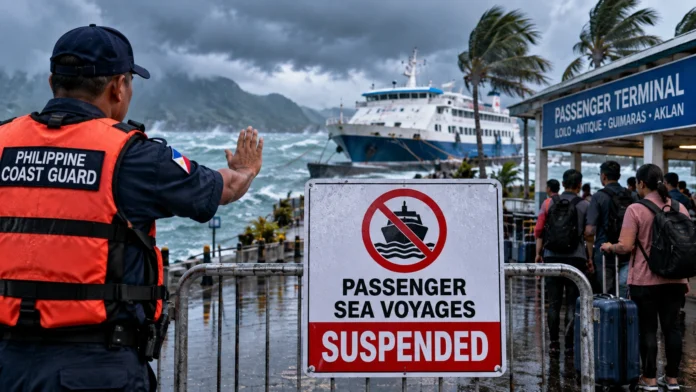
Several passenger sea trips were canceled because of rough seas and the effects of the Southwest Monsoon, locally known as Habagat. The Department of Transportation released the list of affected sailings, and the Philippine Coast Guard continues to monitor sea conditions across Luzon and the Visayas.
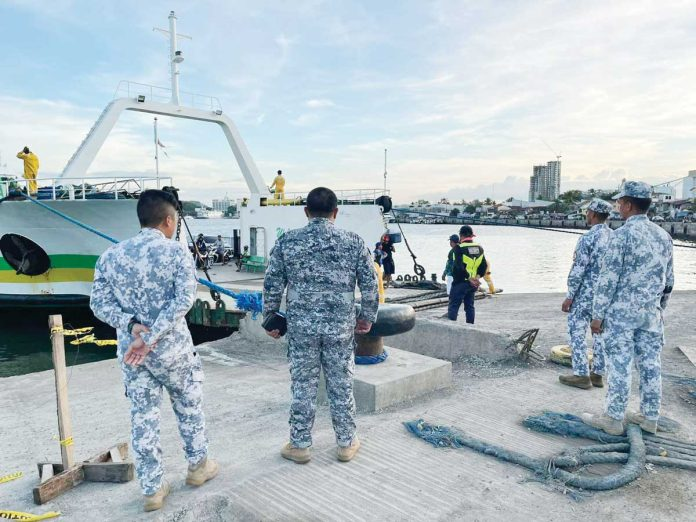
I have been stranded by Habagat cancellations more than once while traveling between islands. The difference between a smooth trip and a long wait at the port usually comes down to checking the latest advisories early and knowing exactly what your ticket allows. Here is the current situation and the practical steps that help.
Official List of Canceled Sea Trips Amid Habagat
According to the Department of Transportation report, the following trips were canceled:
Port Management Office (PMO) Batangas
- Port of Batangas: SuperCat – canceled due to rough seas
- Port of Batangas: Island Water – canceled due to vessel technical concerns
PMO Bicol
- TMO Pio Duran: Kho Shipping Lines Inc. – Mobo, Masbate to Pio Duran, Albay and vice versa (preventive maintenance)
- TMO Camarines: Starhorse Shipping Lines Inc. – San Pascual, Masbate to Pasacao, Camarines Sur and vice versa (Southwest Monsoon)
- Baseport Legazpi: Rapu-Rapu Batan Transport Cooperative – Rapu-Rapu, Albay to Legazpi City, Albay and vice versa (preventive maintenance)
The full list is available in the GMA News report: LIST: Canceled sea trips on Sept. 9, 2026 due to Habagat.
Why Habagat Causes These Cancellations
The Southwest Monsoon continues to bring cloudy skies, moderate to heavy rains, and rough sea conditions over parts of Luzon and the Visayas. PAGASA has warned that these conditions will persist for at least the next 24 hours. When wave heights and wind speeds rise beyond safe limits, the Philippine Coast Guard issues no-sail advisories for passenger vessels, especially smaller and fastcraft operations.
Orange rainfall warnings were also raised over Bataan and parts of Metro Manila, Bulacan, and Zambales, showing how widespread the weather system remains.
Also read – Ranked: The Most Expensive Tourist Visas in the World
What Passengers Should Do Right Now
- Check your ticket and the shipping line’s official page or Facebook account for the latest status of your specific sailing.
- Contact the shipping company directly for rebooking or refund options. Most operators allow free rebooking to the next available trip when the cancellation is weather-related.
- If you are already at the port, ask the terminal staff for the official cancellation notice and keep a photo of it for your records.
- Avoid going to the pier early if your trip is already listed as canceled—ports can become crowded and uncomfortable during monsoon weather.
- Monitor PAGASA and Philippine Coast Guard social media accounts for updates throughout the day, as additional routes can be suspended or resumed with short notice.
Practical Tips From Experience
Always keep a digital and printed copy of your ticket and a government ID. When a trip is canceled, having these ready speeds up the rebooking process at the counter.
If your travel is not urgent, consider waiting one more day rather than forcing a trip on a crowded alternative schedule. Habagat conditions can improve or worsen quickly, and the next day’s sailings are often less chaotic.
For longer routes, ask whether the shipping line offers a land + sea combination or a different departure point that is still operating. Some passengers successfully shift to nearby ports when one terminal is affected.
How Long the Suspensions Usually Last
Weather-related cancellations under Habagat typically last until sea conditions improve and the Coast Guard lifts the no-sail advisory. This can be a few hours or a full day, depending on the wind and wave forecasts. Shipping lines usually resume once the official clearance is given.
Bottom Line for Travelers Today
Several passenger sea voyages, mainly in Batangas and Bicol, are canceled on September 9, 2026, because of Habagat. Confirm your specific trip with the shipping company, use the free rebooking option if available, and stay updated through official sources. The most reliable current list remains the Department of Transportation. Safety comes first—do not attempt to travel on routes that remain under suspension.

