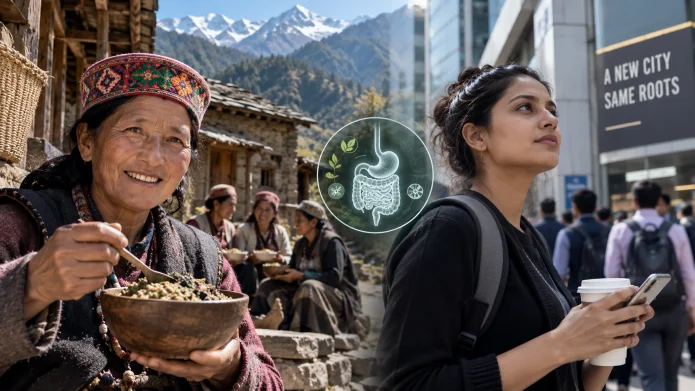
When you think of a trip to Himachal Pradesh, you probably picture snowy mountains and fresh air. People travel to these high altitudes to escape the pollution and stress of daily city life. But a brand new scientific discovery proves there is much more to these remote spots than just good views and cold weather.
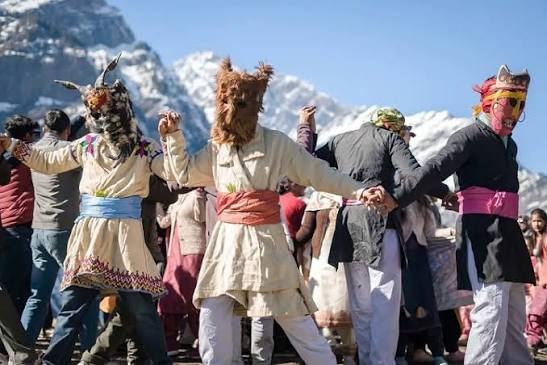
A fascinating new study focused on the Pangwala tribal community reveals a massive fact about human health. Scientists found that even when tribe members pack up and move from their remote mountain villages to busy urban cities, their bodies hold onto their native mountain roots.
Their inner health stays remarkably similar, despite massive changes to their daily diet and living conditions. Basically, their bodies remember exactly where they came from.
This strong core microbiome gives us a rare look into how our original home shapes us for life. It proves that the place you grow up has a permanent impact on your physical system.
The Mystery of Pangi Valley
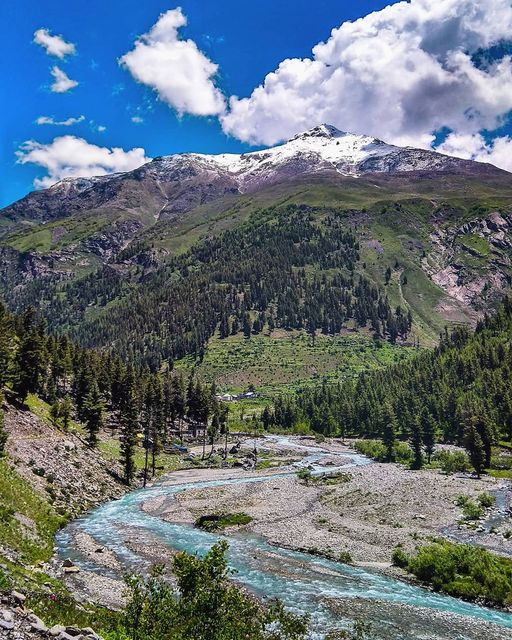
The Pangi Valley is one of the most isolated and rugged regions in Himachal Pradesh. Reaching this area requires a tough road trip over high mountain passes that stay closed for half the year due to heavy snow.
This isolation means the local Pangwala tribe lives a life very different from the rest of the country. The locals eat specific traditional foods and live a highly active, physically demanding life.
This traditional Himalayan lifestyle builds a rock-solid foundation for their health. When you visit these remote corners of India, you get a taste of the pure food and clean water that builds this kind of extreme physical strength.
What Scientists Found Inside the Pangwala Tribe
The research was recently published in the respected science journal BMC Microbiology and was funded by the Department of Health Research under the Government of India. Scientists wanted to see what happens to tribal people when they leave the mountains for the city.
The study looked at healthy volunteers from the Pangwala community. Some still lived in the remote valley, while others had migrated to urban areas and adopted modern city lifestyles.
According to a detailed report from The Tribune, the results were completely shocking. Even after moving to cities and eating processed foods, the urban migrants kept a gut microbiome almost identical to the people back in the village.
The scientists call this “functional redundancy.” This means even if a few microscopic bugs change, the gut ecosystem works together to keep doing its essential jobs.
Key Stats and Facts From the Study
Here is exactly what the researchers discovered during their tests:
- The bacterium Prevotella copri was the dominant species in both native residents and city migrants.
- This specific bacteria is heavily linked to eating healthy, plant-based, and fibre-rich diets.
- Bifidobacterium was also found in massive numbers across all test subjects.
- This helpful bacteria produces vital vitamins and important bioactive compounds for the human body.
- The study tracked exactly 28 healthy volunteers to set a baseline for future tribal health research.
How Mountain Diets Build Permanent Strength
Researchers noted a sharp contrast in how the two groups lived. The native Pangi residents stay closely connected to their livestock. They drink natural, untouched spring water every single day.
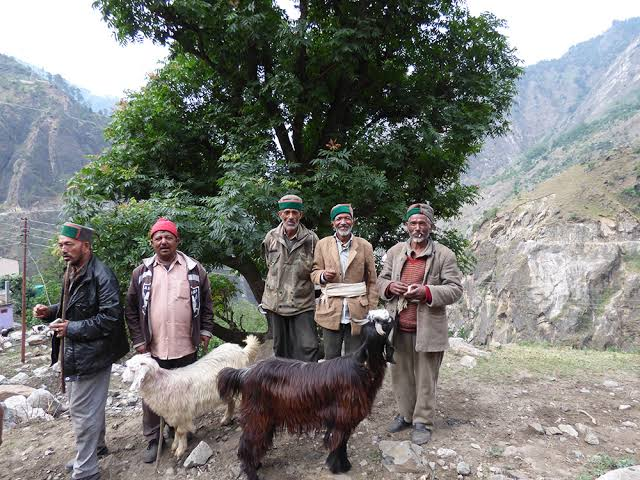
They also depend entirely on locally grown agriculture and natural resources from the forest. Their diet is simple, fresh, and free from modern chemicals.
Meanwhile, the younger generation and the city migrants eat commercially available and heavily processed foods. Yet, their gut health remains deeply anchored to their mountain origins. Their internal system refuses to forget the clean, traditional diet of their ancestors.
A Massive Discovery About Antibiotics
During the study, scientists stumbled onto something completely unexpected. They found that the totally healthy volunteers carried genes that resist more than 100 different antibiotics.
These healthy individuals showed strong resistance to powerful drugs like vancomycin and teicoplanin. They also carried widespread resistance to several tetracycline class antibiotics.
This does not mean the tribe members are sick with superbugs. Instead, it shows how the normal human body acts as a storage space for these genes.
This provides scientists with a huge new clue for future health studies. It gives medical experts a baseline to understand how traditional diets connect with modern medicine and overall metabolic health.
What This Means for Your Next Himachal Pradesh Trip
When you plan your next road trip to the Indian Himalayas, take some extra time to understand the local tribes. Their traditional way of life holds secrets that modern science is only just starting to figure out.
Do not just travel for the photos. Make an effort to eat the local meals prepared in the village homestays. Drink the local water where it is safe, and spend time walking the trails instead of just driving through.
The Pangwala tribe proves that nature builds the best defense for our bodies. You might just pick up a few good habits that will stick with you for life.

