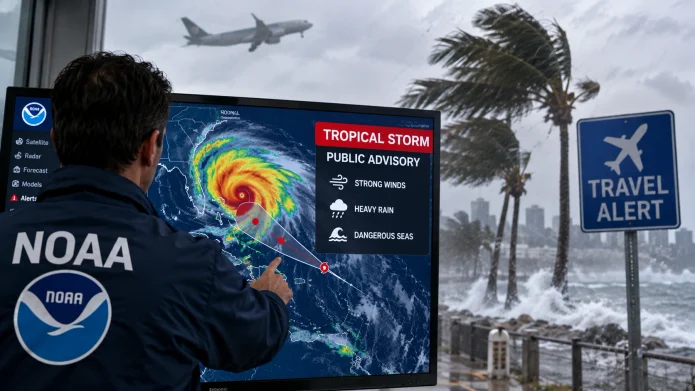
NOAA’s National Hurricane Center (NHC) has issued an active tropical storm public advisory warning travellers, coastal communities and marine operators to monitor changing conditions as the system moves along its forecast path. The advisory provides critical information about the storm’s location, movement, expected impacts and areas that may experience dangerous weather conditions.
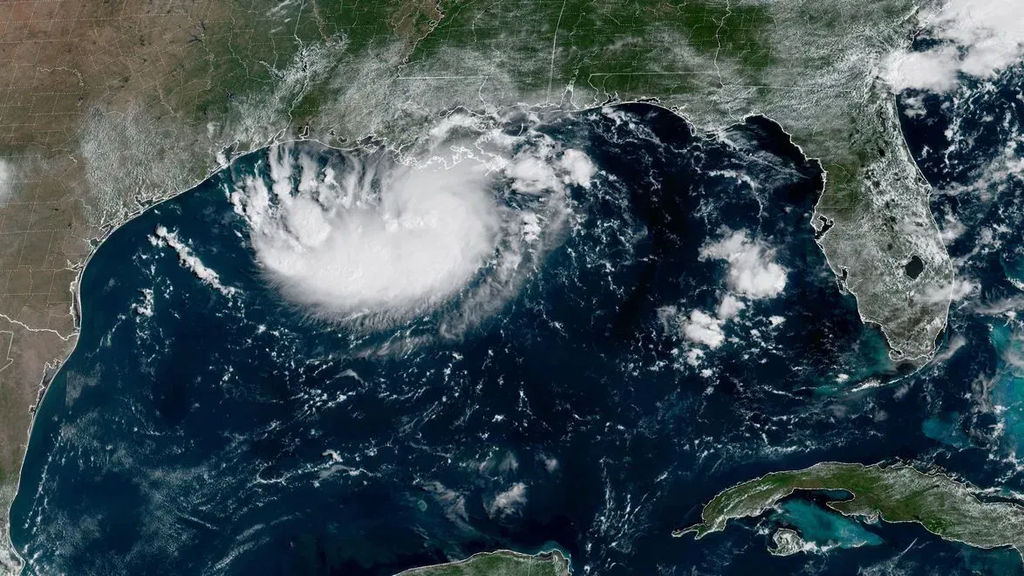
For travellers, the biggest concern is not only the storm’s centre but also the wider impact zone. Tropical systems can disrupt flights, cruise routes, ferry services, coastal roads and outdoor activities even when a location is not directly hit.
The safest approach during tropical storm activity is simple: check official updates before travelling, understand your route risk and avoid relying only on weather apps that may update slower than government alerts.
What Did NOAA’s Tropical Storm Public Advisory Warn About?
The NOAA advisory provides the latest official forecast information about the tropical storm’s position, movement and possible hazards. The National Hurricane Center is responsible for issuing tropical cyclone advisories and updates for areas under its monitoring responsibility.
A tropical storm advisory typically includes:
- Current storm location.
- Maximum sustained wind speeds.
- Direction and speed of movement.
- Expected track.
- Potential watches or warnings.
- Marine and coastal risks.
- Recommended safety actions.
These updates matter because tropical storms can change direction or intensity quickly. A route that appears safe in the morning forecast may require adjustments later in the day.
Also read – Cuba Lost Nearly Half Its Tourists in 2026 – Here Is Exactly Why …
Why Are Travellers Watching the Tropical Storm Route?
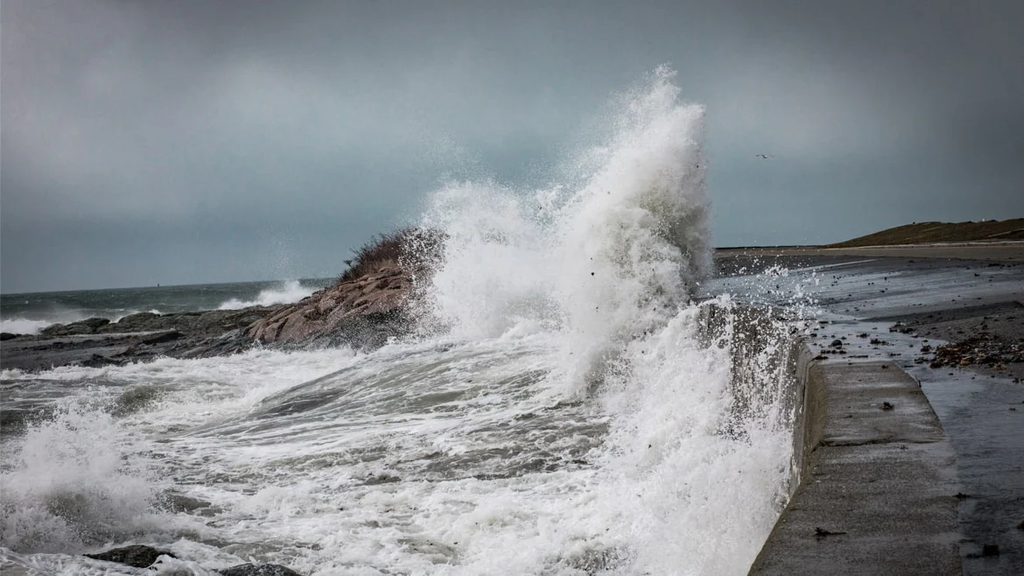
Travellers monitor tropical storm routes because weather impacts often spread far beyond the storm’s centre.
A common misunderstanding is that only areas directly under the storm track are affected. In reality, tropical systems can create:
| Impact area | Possible disruption |
|---|---|
| Airports | Flight delays, cancellations and aircraft rerouting |
| Cruise routes | Changed itineraries or port cancellations |
| Coastal roads | Flooding, debris and unsafe driving conditions |
| Beaches | Dangerous waves and currents |
| Outdoor attractions | Temporary closures |
For example, a family planning a beach holiday may not experience direct storm winds but could still face closed beaches, cancelled boat tours or heavy rainfall affecting travel plans.
How NOAA Tracks Tropical Storms and Issues Warnings
NOAA uses satellites, weather aircraft, ocean data and forecasting models to track tropical systems. The National Hurricane Center publishes regular updates to help governments, emergency managers, businesses and the public prepare.
The information process includes:
- Storm observation
- Satellites monitor cloud patterns and storm structure.
- Weather stations provide surface information.
- Aircraft may collect detailed measurements when required.
- Forecast modelling
- Meteorologists analyse possible storm paths.
- Multiple models help estimate movement and intensity.
- Public advisory updates
- Official advisories communicate risks.
- Watches and warnings are issued when conditions may threaten specific areas.
Travellers should always compare information from social media posts with official sources such as the NOAA National Hurricane Center and the National Weather Service alerts platform.
What Should Travellers Do During a Tropical Storm Advisory?
Travellers should review their route, confirm transportation updates and prepare backup plans before conditions worsen.
A practical storm travel checklist:
Before leaving home
- Check the latest NHC advisory.
- Confirm airline or cruise updates.
- Save important booking details offline.
- Purchase suitable travel insurance.
- Download emergency contact information.
During the journey
- Avoid coastal areas under warnings.
- Follow local authority instructions.
- Keep phones charged.
- Carry essential medication.
- Avoid driving through flooded roads.
If flights are affected
Travellers should:
- Contact the airline directly.
- Check rebooking options.
- Avoid rushing to airports before receiving confirmation.
- Keep accommodation options available if delays continue.
A frequent travel mistake is arriving at an airport expecting normal operations while airlines are still waiting for updated weather assessments.
How Tropical Storms Affect Flights and Airports
Airlines may delay or cancel flights because strong winds, thunderstorms and airport safety restrictions can affect operations.
Storm-related flight disruptions can happen because:
- Aircraft need safer departure and landing conditions.
- Airports may temporarily restrict operations.
- Flight routes may be changed to avoid dangerous weather.
- Crew scheduling can be affected by earlier delays.
Passengers should check airline notifications as well as official weather information because airlines often make operational decisions based on updated forecasts.
What Is the Difference Between a Tropical Storm Watch and Warning?
A tropical storm watch means possible conditions, while a warning means dangerous conditions are expected or occurring.
| Alert | Meaning |
|---|---|
| Tropical Storm Watch | Tropical storm conditions are possible in the area |
| Tropical Storm Warning | Tropical storm conditions are expected or occurring |
Understanding this difference helps travellers make better decisions.
A watch does not always mean immediate danger, but it is the stage when preparation should begin. A warning means people should follow official safety instructions.
Why Tropical Storm Advisories Matter for Cruise and Coastal Travel
Cruise passengers and coastal travellers are among the first groups affected by tropical storm route changes.
Cruise companies regularly adjust routes to avoid unsafe seas and weather conditions. Changes may include:
- Skipping planned ports.
- Changing sailing schedules.
- Remaining offshore longer.
- Returning to ports earlier.
Travellers should avoid assuming that a booked itinerary guarantees the original route during severe weather.
How to Check the Latest Tropical Storm Updates Safely
The most reliable storm information comes from government weather agencies, not unofficial social media posts.
Trusted sources include:
- NOAA National Hurricane Center
- National Weather Service Tropical Weather Information
- Local emergency management agencies.
- Airline and cruise company alerts.
Weather rumours often spread quickly during storms. A dramatic social media post may show an old forecast map or incorrect storm path, creating unnecessary panic.
What Should People Avoid During Tropical Storm Conditions?
The biggest safety mistakes happen when people underestimate wind, flooding and changing conditions.
Avoid:
- Walking near rough coastal waters.
- Driving through flooded roads.
- Ignoring evacuation instructions.
- Visiting beaches during warnings.
- Sharing unverified storm information.
Flood water can hide dangerous conditions, including debris, damaged roads and strong currents.
Final Advice: How to Travel Safely During NOAA Tropical Storm Alerts
The best travel strategy during a tropical storm advisory is preparation, flexibility and reliance on official updates.
A tropical storm does not always mean a trip must be cancelled, but it does mean plans may need adjustment.
The smartest steps are:
- Monitor NOAA updates regularly.
- Confirm transport schedules.
- Keep emergency contacts available.
- Follow local instructions.
- Be prepared to change plans if conditions worsen.
Official storm advisories exist to provide early information before conditions become dangerous. Using that information properly helps travellers protect both their safety and their travel plans.

