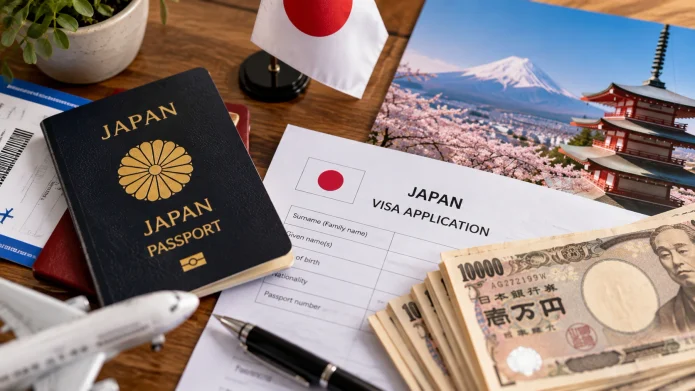
Japan officially raised its immigration fees on October 1, 2026, marking a massive price hike for all foreign residents. The permanent residency application fee surged from a flat ¥10,000 to ¥200,000. Visa renewals and status changes, which previously cost a flat ¥6,000, now operate on a sliding scale that reaches up to ¥75,000. The Immigration Services Agency of Japan enforces these new rates based strictly on the length of your approved stay.
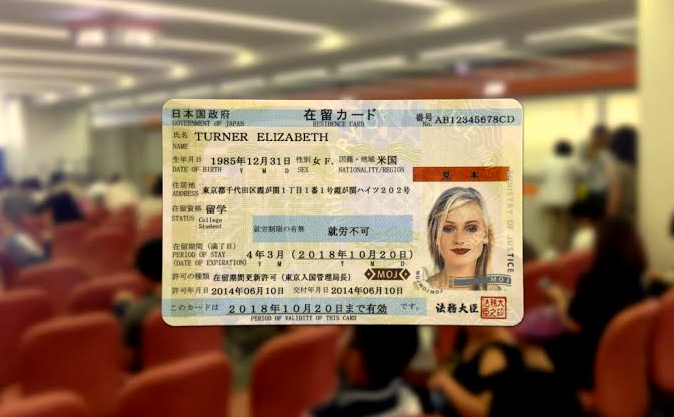
Complete Fee Breakdown for Visa Renewals and Status Changes
The government eliminated the old flat-rate system for temporary visas entirely. You now pay a variable fee that scales directly with the number of years granted on your residence card. This means if the immigration office gives you a longer visa, you must pay a significantly higher fee before collecting your new card.
| Visa Length Granted | New Fee (Effective Oct 2026) |
| Up to 3 months | ¥10,000 |
| 3 to 6 months | ¥18,000 |
| 6 months to 1 year | ¥25,000 |
| Exactly 1 year | ¥33,000 |
| 1 to 3 years | ¥48,000 |
| 3 to 5 years | ¥64,000 |
| 5 years or more | ¥75,000 |
Data sourced directly from the revised Ministry of Justice immigration guidelines.
Why Did the Japanese Government Raise These Costs?
The Japanese government increased these charges to cover the soaring administrative costs of background checks and stricter immigration screening. Japan recorded an all-time high of 4.13 million foreign residents at the end of 2025. Processing this massive volume of applications overwhelmed the old infrastructure. The National Police Agency also requires more funding to run extensive criminal record checks on long-term applicants before granting them permanent status.
Also read – Japan’s 2026 Tourist Tax Has a Hidden $45 Catch Nobody …
How the Permanent Residency Shock Affects You
The 20-fold increase to the permanent residency fee is the largest single jump in Japanese immigration history. If you apply for your permanent residence right now, you must budget exactly ¥200,000 just for the final approval stamp. This fee adds a heavy financial strain on working families trying to settle in the country long-term.
Many expats rushed to submit their paperwork before the October deadline to avoid this exact price hike. If you missed the cutoff, you must pay the new rate regardless of when you initially arrived in Japan. You pay this fee at the regional immigration bureau using revenue stamps (shunyu inshi) only after your application is approved.
Helpful Tips to Save Money on Your Next Application
You cannot avoid the new price structure completely, but you can manage the financial hit smartly. The immigration office offers small concessions if you handle the paperwork correctly.
- Use the Online System: The government offers a small discount for applicants who submit their renewals entirely online instead of visiting the physical office.
- Apply for Hardship Waivers: The government provides reduced fees for individuals facing severe, documented financial hardship. You must prove this status using official city tax records and bank statements.
- Budget Early: Start saving the ¥200,000 permanent residency fee the moment you begin gathering your tax documents. Do not wait until your approval postcard arrives in the mail.
Future Changes: What Happens in 2027 and 2028?
These fee increases are part of a massive, multi-year overhaul of the entire Japanese immigration system. In addition to these rising costs, the Ministry of Foreign Affairs plans to introduce a Japan Electronic System for Travel Authorisation in fiscal year 2028. This new electronic screening tool will target short-term tourists and business visitors to prevent illegal overstays before they even board a plane.
Living and working in Japan is getting noticeably more expensive. Updating your financial planning to account for these massive visa fees is the only way to stay compliant without draining your emergency savings.

