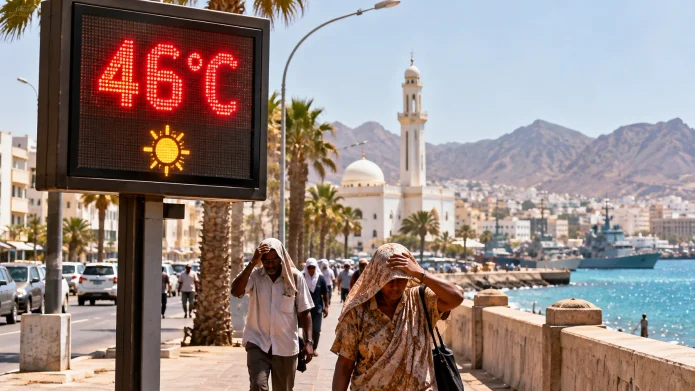
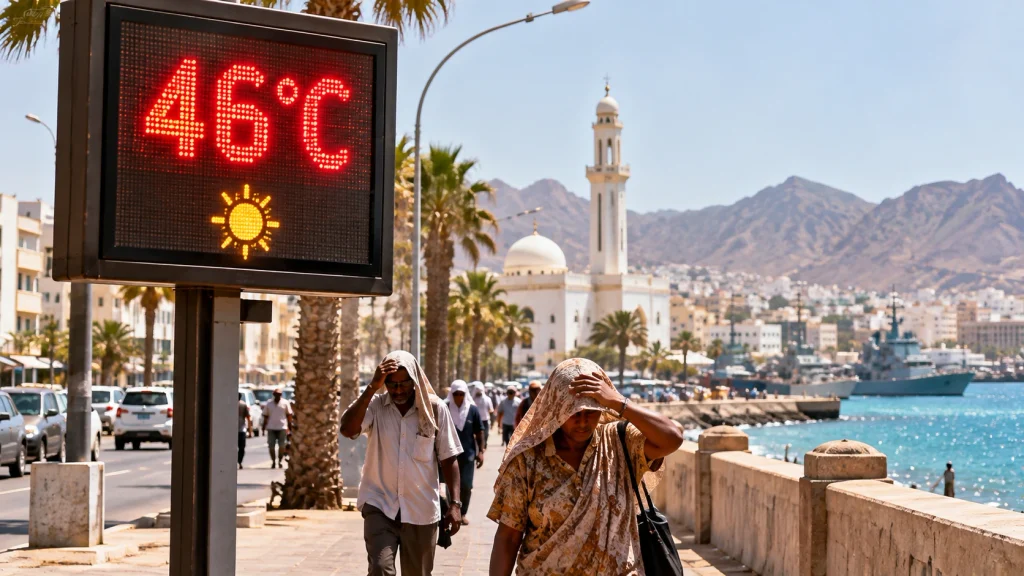
The U.S. State Department explicitly warns travelers about life-threatening heatstroke risks in Djibouti. Daytime temperatures consistently shatter 104°F (40°C) from May through October, making outdoor exposure physically dangerous for unprepared tourists.
High coastal humidity combined with intense solar radiation forces the human body to lose water faster than it can naturally replenish it. Ignoring these extreme weather conditions routinely leads to severe thermal stress, organ failure, and emergency medical evacuations.
What Are the Specific Djibouti Heatstroke Dangers?
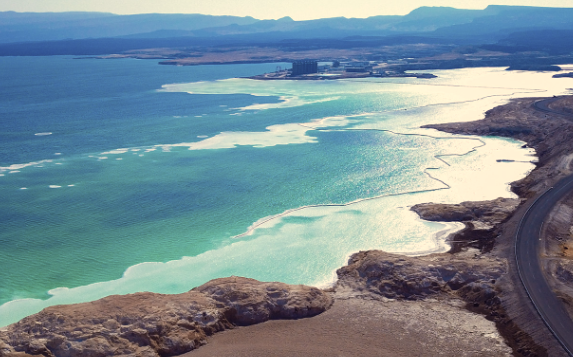
Heatstroke and severe dehydration represent the most immediate medical threats to foreign visitors. The famous salt flats at Lake Assal act like a massive mirror, reflecting white glare and trapping heat that pushes ground temperatures to deadly extremes.
Tourists attempting to walk or hike during peak afternoon hours risk sudden physical collapse. The air is so hot and dry in the interior deserts that sweat evaporates instantly, masking how much fluid you are actually losing.
Medical facilities outside Djibouti City are incredibly limited. First responders cannot reach remote desert locations quickly, meaning total prevention is your only true safety net.
Official U.S. State Department Djibouti Travel Advisory Details
The U.S. Department of State Djibouti Advisory currently classifies the country at Level 2: Exercise Increased Caution. This official status addresses both severe environmental hazards and urban crime.
The government strictly prohibits non-essential travel within 10 kilometers of the Eritrea border due to ongoing military tensions. Travelers must also avoid isolated locations like Doralé and Khor Ambado beaches late in the afternoon because of poor security and isolation.
Pickpocketing and bag snatching happen frequently in crowded markets and transport hubs. Lock your passport in a hotel safe and carry a physical photocopy for police checkpoints.
Also read – 7 Least Visited Countries in the World with Reasons
How to Spot Heat Exhaustion vs. Heatstroke in the Desert
Knowing the exact physical difference between exhaustion and full heatstroke saves lives. Heat exhaustion requires immediate shade and water. Heatstroke is a complete failure of the body’s cooling system and requires immediate hospital intervention.
Review these warning signs provided by the National Weather Service Heat Safety guidelines before heading outdoors:
| Medical Emergency | Key Physical Symptoms | Required Immediate Action |
| Heat Exhaustion | Heavy sweating, cold/clammy skin, nausea, weak pulse, dizziness. | Move to AC or deep shade. Drink water slowly. Apply cool, wet cloths to the neck. |
| Heatstroke | No sweating, red/hot skin, body temp above 103°F, confusion, passing out. | Call for emergency medical help instantly. Do not force the person to drink water. |
Essential Health and Hydration Rules for Djibouti Trips
Drink a minimum of three to four liters of treated or bottled water every single day. Do not drink local tap water, as mineral-heavy supplies routinely cause severe stomach illness and accelerate dangerous dehydration.
According to the Centers for Disease Control and Prevention, travelers must also guard against daytime-biting mosquitoes. Dengue fever and Chikungunya cause high fevers that mimic and worsen heat-related illnesses.
Schedule all outdoor activities at dawn. Return to air-conditioned buildings or dense shade by 10:00 AM, and do not resume outdoor tours until the sun sets.
What to Pack for Extreme Heat Survival in Africa
Proper gear dictates how well your body handles constant thermal stress. Pack these specific items to survive the desert climate:
- Oral rehydration salts: Mix these into your water daily to replace lost sodium and potassium from heavy sweating.
- UPF 50+ clothing: Wear loose, light-colored, long-sleeved shirts to block radiation without trapping body heat.
- Insulated metal water flasks: Standard thin plastic bottles will literally boil water in minutes at Lake Assal.
- High-grade insect repellent: Use strong EPA-registered bug sprays to prevent mosquito-borne fevers.

