Key Highlights
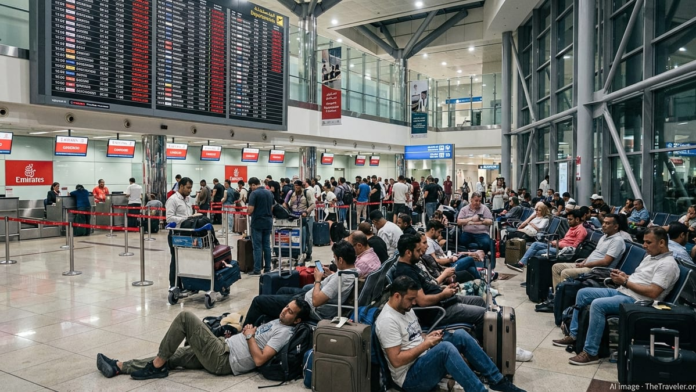
- Thousands of Americans were stranded after the U.S.–Israel strikes on Iran on Feb. 28, 2026 disrupted regional air travel.
- Many travelers claim the U.S. government provided little direct evacuation assistance, forcing them to arrange their own routes home.
- More than 27,000 Americans have returned to the U.S., mostly through commercial flights or self-organized travel.
- Social media and WhatsApp groups became key tools for stranded travelers sharing escape routes and flight options.
Thousands of Americans traveling across the Middle East found themselves stranded after the Iran conflict triggered airspace closures and mass flight cancellations. Many travelers say they had to organize their own escape routes because U.S. government assistance arrived slowly and offered limited practical help.
What Happened to Americans Stranded in the Middle East?
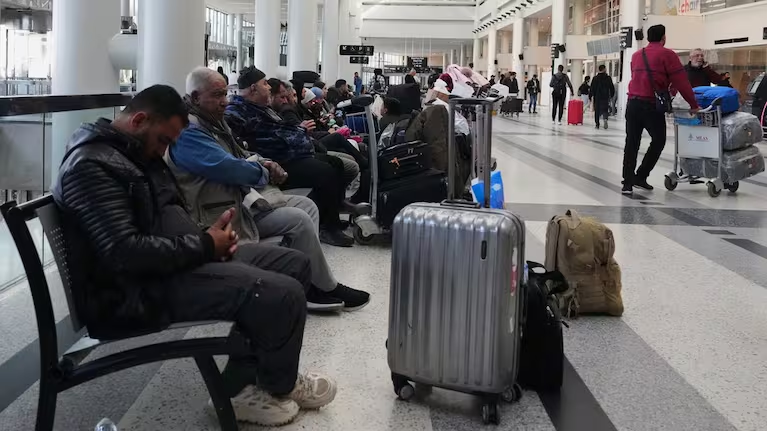
Thousands of Americans became stranded across the Middle East after airspace closures and flight cancellations triggered by the Iran conflict in late February 2026. Many travelers said they received limited help from U.S. embassies and had to arrange their own travel routes through neighboring countries.
The crisis began when escalating tensions between the United States, Israel, and Iran disrupted aviation across the region.
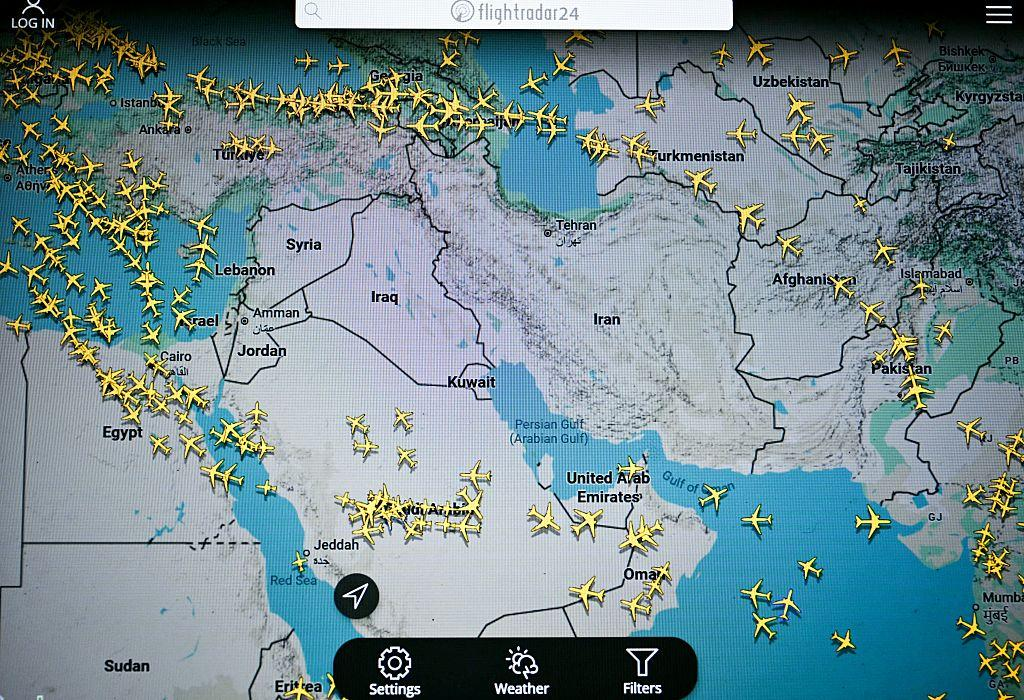
Airports in several countries either shut down completely or drastically reduced flights. Major travel hubs such as Dubai, Israel, and other Gulf states experienced cancellations and airspace restrictions.
For travelers, the situation quickly became chaotic.
Flights were repeatedly canceled. Hotels filled with stranded passengers. Embassies issued safety advisories but often could not provide direct evacuation assistance.
Many Americans suddenly realized they would need to plan their own route home.
Why Were Thousands of Americans Stranded?
Americans were stranded because military conflict triggered widespread airspace closures across the Middle East. Airlines canceled thousands of flights, leaving travelers stuck while governments struggled to coordinate evacuations.
The chain reaction began after U.S. and Israeli military strikes on Iran on February 28, 2026, followed by retaliatory threats and missile attacks across the region.
As tensions escalated:
- Airspace closed in several countries
- Commercial flights were suspended or delayed
- Airlines rerouted or canceled thousands of flights
More than 29,000 flights scheduled in the region were canceled within days, according to aviation data.
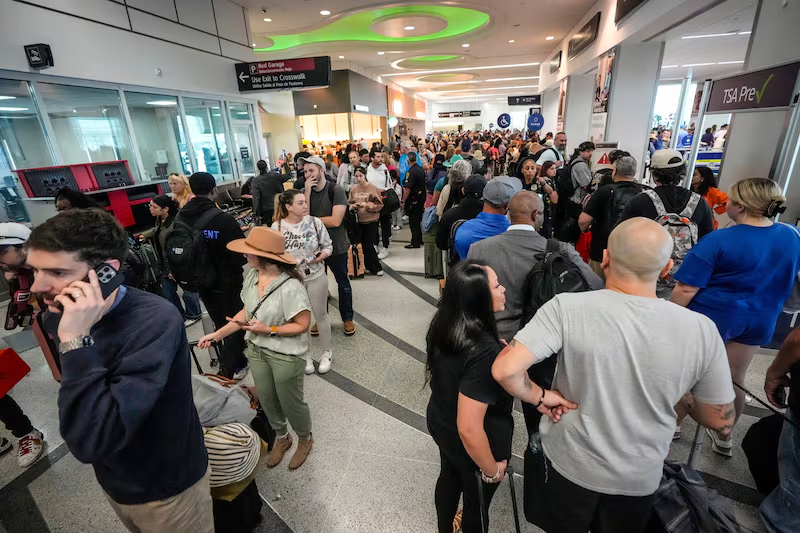
The disruption trapped thousands of foreign travelers, including American tourists, business travelers, and aid workers.
Governments worldwide scrambled to evacuate their citizens.
But some Americans say the U.S. response was slow.
Travelers Say They Had to Find Their Own Way Home
One of the most widely shared experiences came from travel blogger Alyssa Ramos, who described a complex 48-hour journey across multiple continents to reach the United States.
She says the U.S. government did not assist her evacuation.
Instead, she contacted embassies repeatedly and received instructions to register in the Smart Traveler Enrollment Program (STEP) and shelter in place.
Other travelers reported similar experiences.
Chicago resident Susan Daley, who was stranded during a work trip in the United Arab Emirates, said she eventually secured a seat on one of the first flights leaving Dubai once airspace reopened.
But she had to arrange the travel herself.
Many travelers said the most stressful part was being told to leave immediately while receiving little logistical help to do so.
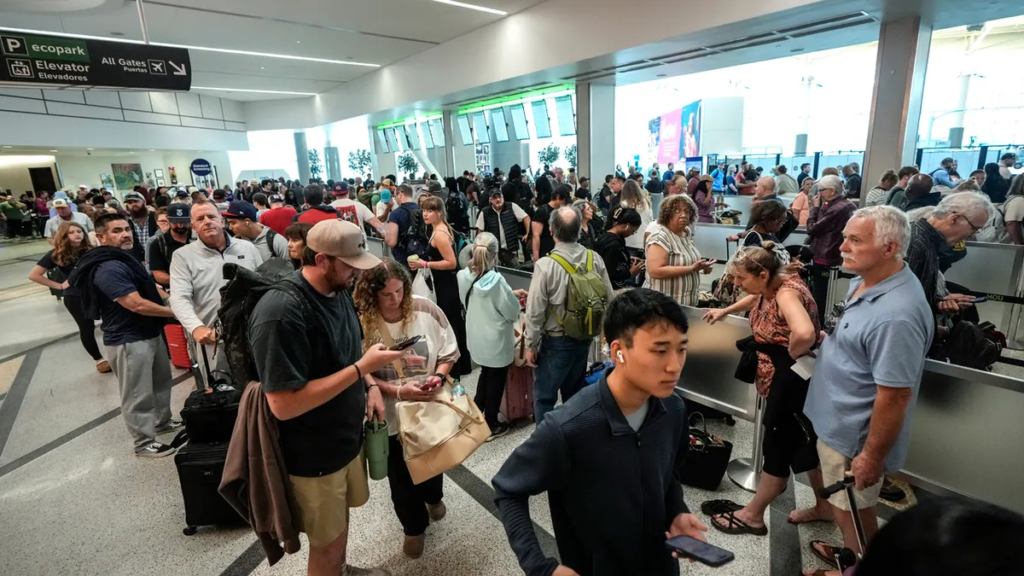
WhatsApp Groups Became an Unexpected Lifeline
With limited official guidance available, stranded travelers used WhatsApp and social media groups to coordinate transportation, share flight updates, and help each other find routes out of the region.
One online group created by travelers quickly grew to more than 2,200 members.
Participants shared information such as:
- Available flights
- Safe border crossings
- Taxi drivers and transport prices
- Hotel availability
- Currency exchange tips
In some cases, travelers coordinated cross-border trips.
One group of Americans drove from Dubai to Oman to catch flights still operating from Muscat.
Others crossed from Israel into Jordan to access airports still running commercial flights.
These informal networks became critical for people trying to leave quickly.
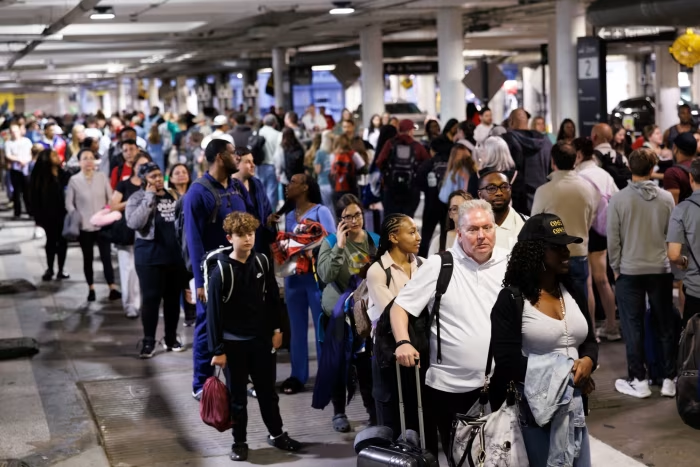
U.S. Government Response and Criticism
The U.S. State Department said it had helped tens of thousands of Americans either return home or receive travel guidance.
Officials reported that more than 27,000 Americans had returned to the United States since the crisis began.
However, most of those travelers used commercial flights or self-organized routes rather than government evacuations.
Chartered evacuation flights began several days after the crisis escalated.
Lawmakers from both political parties criticized the response, arguing that evacuation planning should have been prepared earlier.
Some officials said the government response was complicated by the rapidly evolving military situation and unpredictable airspace closures.
Despite the criticism, officials maintain they are continuing to assist citizens abroad through travel advisories and logistical support.
Timeline of Events
Feb. 28, 2026
- U.S. and Israel launch coordinated strikes on Iranian targets.
Early March 2026
- Iran retaliates with threats and missile activity across the region.
March 1–3
- Major airports close or restrict flights across the Middle East.
March 5
- First U.S.-chartered repatriation flights begin.
March 6–8
- Thousands of Americans return home via commercial flights.
Impact on Global Travel
The crisis has triggered one of the largest disruptions to international travel in recent years.
Key impacts include:
| Impact | Details |
|---|---|
| Flight cancellations | Over 29,000 flights canceled in the region |
| Airspace closures | Several countries restricted aviation |
| Stranded travelers | Thousands of foreign nationals affected |
| Tourism impact | Travel to the Middle East expected to decline |
Tourism experts say the Middle East travel sector could face significant losses if instability continues.
Airlines are gradually restoring routes as airspace reopens.
However, many travelers remain cautious about booking trips to the region.
What Travelers Should Learn From This Crisis
The situation has highlighted several key lessons for international travelers:
1. Register With Government Travel Programs
Programs like STEP help governments contact citizens during emergencies.
2. Monitor Airspace and Flight Alerts
Flight disruptions often happen quickly during geopolitical crises.
3. Build Flexible Travel Plans
Travel insurance and flexible tickets can reduce risks.
4. Use Community Networks
Online groups and local communities often provide valuable real-time information.
For many stranded travelers, these tools made the difference between remaining stuck and getting home.
FAQs
Are flights now operating normally in the Middle East?
Flights are gradually resuming as airspace restrictions ease, but airlines continue to monitor security conditions before restoring full schedules.
What is the Smart Traveler Enrollment Program (STEP)?
STEP is a U.S. government service that allows travelers to register their trips abroad so embassies can send security alerts and assist during emergencies.
Will Middle East tourism be affected long term?
Tourism experts believe travel demand may temporarily decline, but the long-term impact will depend on how quickly regional stability returns.

