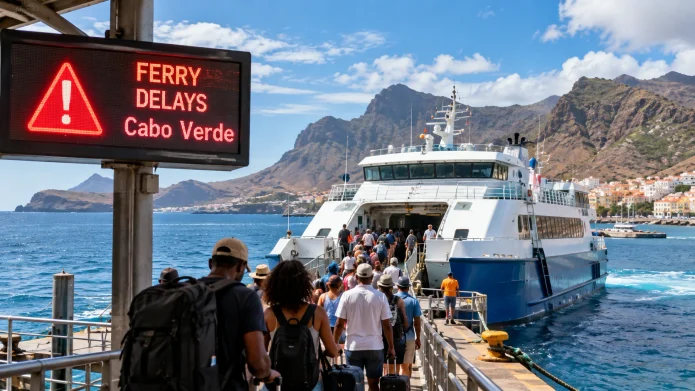
The U.S. State Department urges travelers to exercise extreme caution when using Cabo Verde inter-island ferries. Sudden delays, severe weather cancellations, and port security concerns raised by the U.S. Coast Guard are currently disrupting major maritime travel routes across the country.

Why Are Cabo Verde Ferries Getting Canceled?
High winds and dangerous sea conditions frequently force local maritime authorities to halt inter-island ferry services. During the dry Harmattan season from November to March, and the rainy season from July to October, massive ocean swells make docking impossible. Ferries operated by local companies often suspend routes for days at a time to prevent accidents at sea.
The Danger for Tourists on Remote Islands
Ferry delays trap tourists on remote islands with zero alternative transport. The islands of Brava and Santo Antão do not have operational airports. If a ferry gets canceled, you cannot simply book a flight back to the main international hubs in Sal or Santiago.
This lack of air transport creates severe risks for medical emergencies. The U.S. Department of State warns that inter-island medevac options are highly limited. First responders cannot reach remote areas quickly, meaning any severe injury requires a difficult boat transfer to a major city hospital.
Also read – 10 Ethereal Places That Look Like a Fairytale & How to Visit
U.S. Coast Guard Warnings on Port Security
The U.S. Coast Guard officially flags security practices at Cabo Verdean ports as a major concern. Passengers waiting for delayed ferries at crowded docks face higher risks of theft and inadequate crowd control. Mariners and passengers must implement enhanced personal security measures when transiting these specific areas.
The State Department currently places the capital city, Praia, under a Level 2 Travel Advisory for increased crime. Pickpocketing, purse snatching, and muggings frequently occur near transport hubs. Keep your luggage secured and never flash expensive items while waiting at the port.
Cabo Verde Travel Advisory Summary
| Alert Type | Location | Advisory Detail |
| Crime Risk | Praia (Santiago Island) | Level 2: Exercise Increased Caution |
| National Level | Countrywide | Level 1: Exercise Normal Precautions |
| Maritime Warning | All Ports | U.S. Coast Guard cites poor security practices |
| Weather Threat | All Ferry Routes | High winds cause immediate route suspensions |
Cabo Verde Entry Rules During Travel Disruptions
You do not need a tourist visa for stays of 30 days or less. However, all foreign visitors must register and pay an Airport Security Fee before arrival. You can complete this step via the Official EASE Portal up to five days before landing.
If a ferry delay causes you to accidentally overstay your 30-day visa-free period, contact local immigration authorities immediately. Ignoring an overstay can result in heavy fines at the airport. Keep digital copies of all canceled ferry tickets as proof of your travel disruption.
Medical Risks During Transport Halts
Health and safety standards on the islands vary significantly. Facilities outside the capital are incredibly basic. The State Department warns that safety inspections for maritime equipment are rare.
If you travel to Cabo Verde for scuba diving or deep-sea fishing, realize there are no hyperbaric or decompression facilities anywhere in the country. Always maintain a safe distance from restricted coastal zones. Drownings occur frequently on the beaches of Santiago and Sal due to hidden undertows.
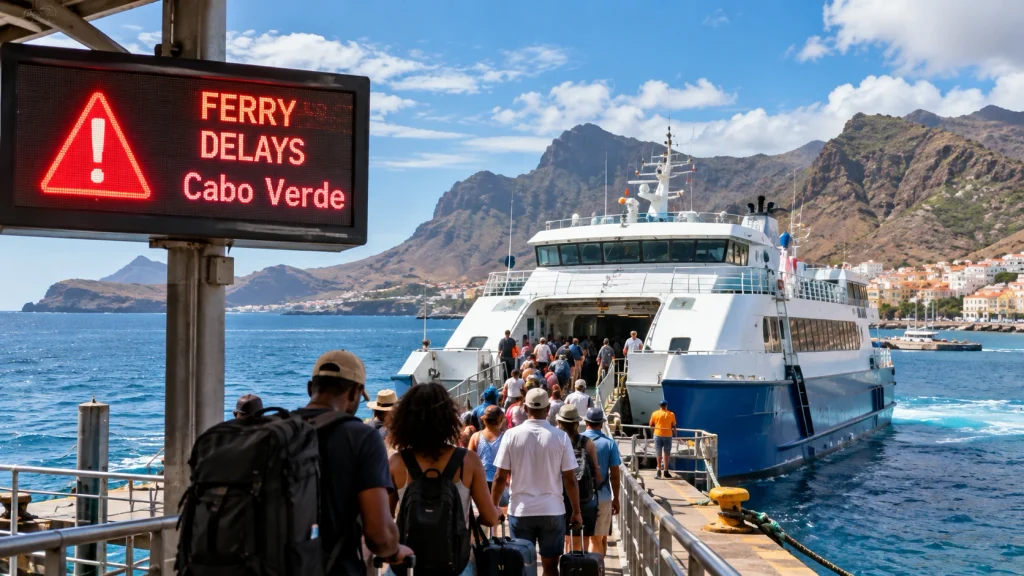
What to Do If Your Cabo Verde Ferry is Delayed
Do not panic if you get stranded at a local port. Follow these exact steps to protect your trip and safety.
- Verify Official Updates: Check route status directly at the port office or local maritime authority rather than trusting word of mouth.
- Secure Safe Lodging: Book a hotel immediately if delays extend overnight. Do not sleep at the port, especially in Praia, due to the high crime risk at night.
- Contact Your Embassy: If you miss an international flight due to a stranded ferry, notify your airline and consulate. U.S. citizens can contact the [suspicious link removed] at +238-260-8900.
- Prepare for Motion Sickness: When ferries resume after a storm, the ocean remains extremely rough. Pack strong motion sickness medication in your carry-on bag.
Remember to register your trip in the Smart Traveler Enrollment Program before arriving. This free service sends emergency weather and security alerts directly to your phone.
How to Book Safe Inter-Island Travel
Always use official vendors to secure your tickets. Buy passes directly from licensed local travel agencies or the official ferry operators. Avoid buying tickets from unofficial scalpers near the docks.
Travelers should also buy comprehensive travel insurance that explicitly covers medical evacuation by air and sea. Check your policy before you leave home. A standard domestic health plan will not cover a complex boat rescue in the Atlantic Ocean. For more details on safe international maritime travel, consult the U.S. Department of Transportation Maritime Advisories.

