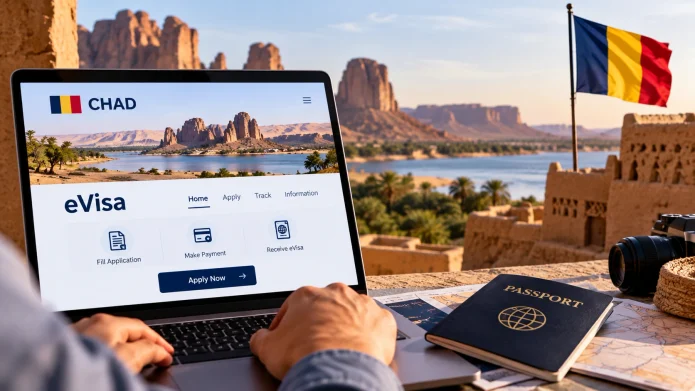
Chad officially modernized its border entry process by launching a fully digital eVisa portal, eliminating the need for tourists to physically visit an embassy. Foreign travelers can now secure their entry documents entirely online in just a few days. The government built this digital infrastructure specifically to attract global tourists to its remote Saharan reserves and national parks.
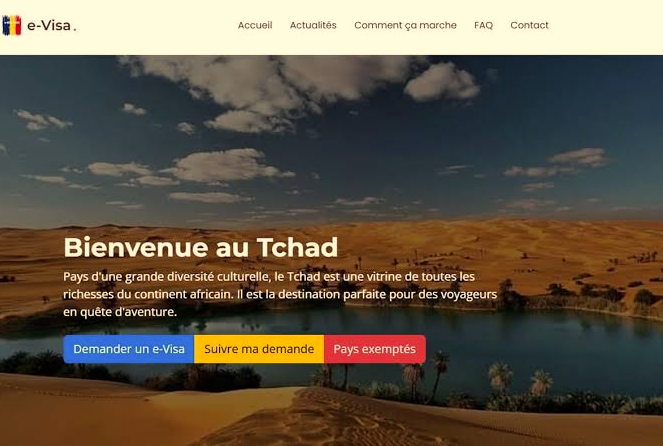
What Are the Exact Requirements for a Chad eVisa?
You must upload a scanned passport bio-page, a confirmed hotel reservation, and round-trip flight tickets directly to the online portal. The Ministry of Foreign Affairs strictly requires your physical passport to remain valid for at least six months from your planned date of entry. Missing any of these three core documents results in an automatic system rejection.
Travelers planning to stay with friends or family instead of a hotel must secure an official letter of invitation legalized by local Chadian authorities. Uploading an unverified, self-written Word document will stall your application indefinitely.
How Fast Does the Online System Process Applications?
The digital portal processes standard tourist eVisas in exactly 72 hours under normal administrative conditions. However, applying at least one full week before your departure date protects you against unexpected weekend delays or system maintenance. Once approved, the system emails a downloadable PDF document directly to your inbox.
Also read – Ranked: The Most Expensive Tourist Visas in the World
You must track your application status manually using the reference code provided during checkout. The International Air Transport Association (IATA) advises all airlines to verify this specific approval code in the destination database before issuing a boarding pass to Central Africa.
Visa Costs and Allowed Duration of Stay
A standard single-entry tourist visa costs 100 Euros and allows you to stay inside the country for up to 30 days. You must pay this non-refundable government fee online using a secure international credit card during the final step of the application. The system does not accept cash payments on arrival at N’Djamena International Airport.
| Visa Category | Allowed Stay | Entry Type | Processing Fee |
| Short-Stay Tourist | Up to 30 Days | Single Entry | €100 |
| Short-Stay Business | Up to 30 Days | Single Entry | €100 |
| Long-Stay Multiple | Up to 90 Days | Multiple Entry | €150 |
Health and Security Rules for Crossing the Border
Every traveler must present a valid Yellow Fever vaccination certificate alongside their printed eVisa at the passport control desk. The Centers for Disease Control and Prevention (CDC) classifies Chad as a high-risk zone for the virus, making the shot a strict legal requirement for entry. Border guards will physically inspect this yellow medical booklet before stamping your passport.
Security conditions outside the capital city of N’Djamena require careful logistical planning and verified local guides. The U.S. Department of State regularly updates its regional risk assessments, strongly advising tourists to avoid specific border regions near Libya and Sudan. You should always register your itinerary with your local embassy upon arrival for emergency tracking.
Also read – Laos e-Visa 180 Days Extension: Rules, Permitted Stay & …
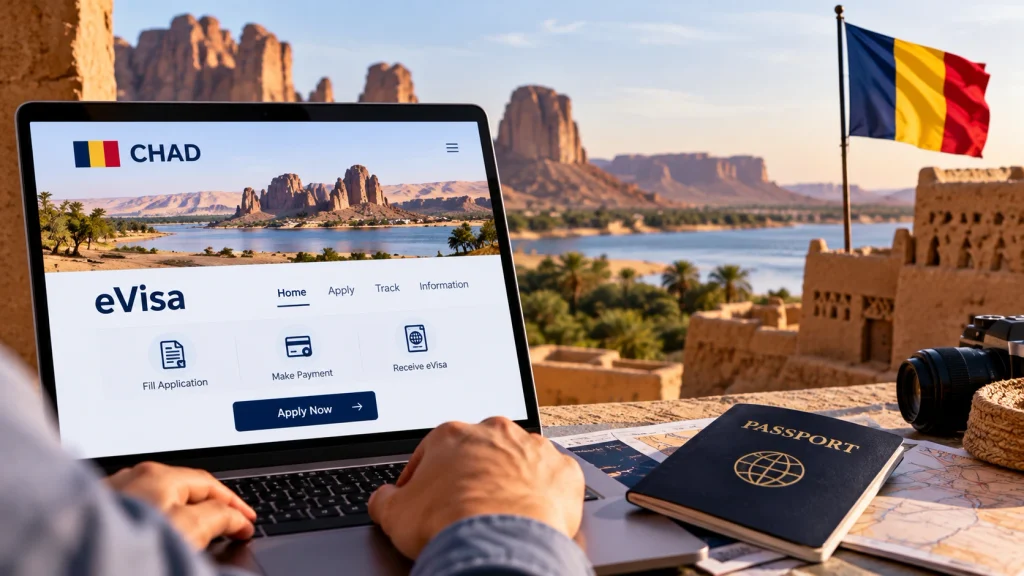
4 Critical Steps to Avoid Airport Boarding Denials
You must carry a physically printed color copy of your approved eVisa to the airport, as desk agents routinely reject digital smartphone screenshots. A dead phone battery or weak airport Wi-Fi will cause you to miss your flight entirely.
Follow these exact steps to ensure a smooth boarding process:
- Print all documents: Print your eVisa, hotel confirmation, and return flight itinerary in full color on standard A4 paper.
- Check data matching: Ensure the passport number on your eVisa perfectly matches the physical passport in your hand. A single typo voids the visa.
- Pack medical cards: Keep your original Yellow Fever vaccination certificate in your carry-on bag, never in your checked luggage.
- Verify health alerts: Check the World Health Organization (WHO) for any sudden emergency health declaration forms required for Central African travel before you leave for the airport.

