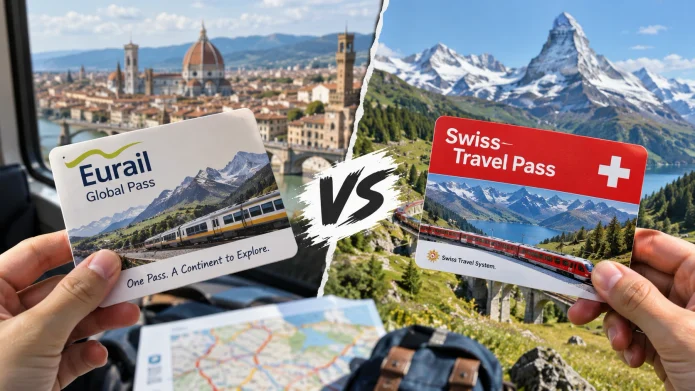
The Swiss Travel Pass is usually the better choice for a Switzerland-only holiday, while the Eurail Global Pass is more useful when Switzerland is one stop on a longer European rail trip.
That simple answer covers most travellers, but it does not tell the full story. The right pass depends on where you are going after you leave the main railway station. Lake boats, city trams, mountain railways, cable cars, museums and compulsory panoramic train reservations can change the final cost by hundreds of Swiss francs.
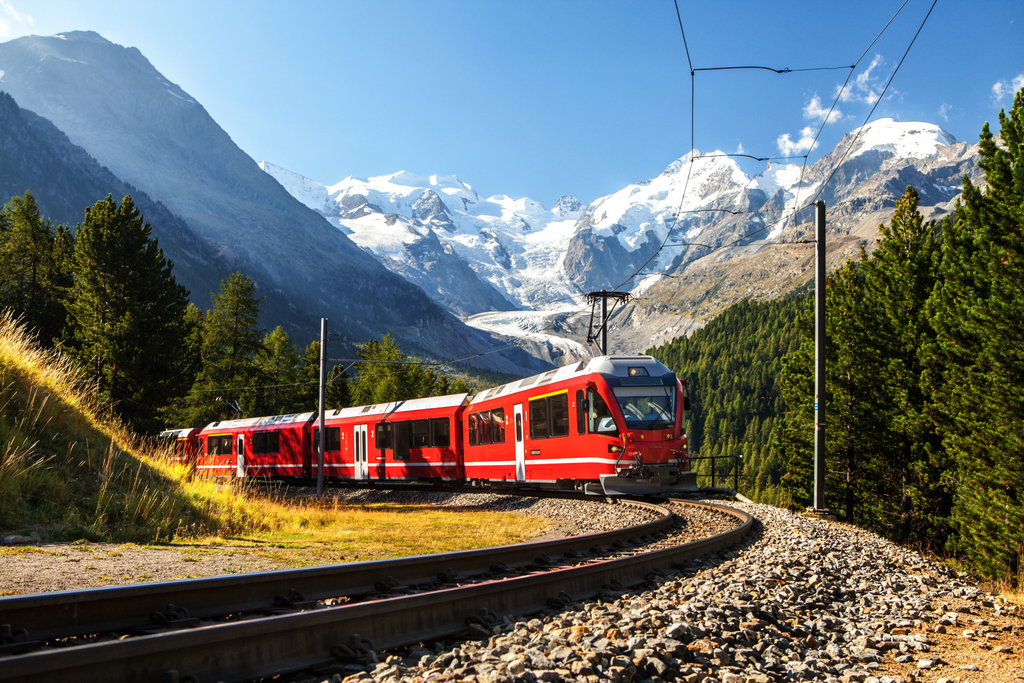
There is also an important 2026 change. Eurail became Interrail worldwide on September 9, 2026. The official pass provider now describes it as the same pass and the same way to explore Europe by train under the Interrail name. Existing Eurail passes and previous bookings remain relevant, which is why travellers will continue searching for “Eurail Global Pass” for some time.
This comparison therefore uses Eurail Global Pass where it helps readers identify the familiar product, while referring to the current product as the Interrail Global Pass where necessary.
Eurail Global Pass vs Swiss Travel Pass: Quick Comparison
Choose according to your itinerary, not according to which pass has the lower headline price.
| Type of trip | Better pass to check first | Main reason |
|---|---|---|
| 6 to 15 days entirely in Switzerland | Swiss Travel Pass | Wider Swiss transport coverage |
| Paris, Switzerland, Milan and Vienna | Global Pass | One pass works across multiple countries |
| Lucerne, Interlaken and Zermatt | Swiss Travel Pass | Strong local and mountain transport benefits |
| Switzerland for only 2 or 3 days during a Europe trip | Global Pass | Avoids buying a second major rail pass |
| Frequent lake boats and city transport | Swiss Travel Pass | Boats, buses and trams are major strengths |
| Glacier Express plus several European rail journeys | Global Pass can make more sense | Swiss rail section can fit into the wider European pass |
| Mount Rigi and other included Swiss mountain trips | Swiss Travel Pass | Some expensive mountain journeys are fully included |
| Pilatus-focused trip | Either can work | Both currently receive the same 50% mountain transport discount |
| Family with teenagers | Swiss Travel Pass deserves close attention | Its family rules can be especially valuable for children under 16 |
| Slow Switzerland trip with few long rail journeys | Check Swiss Half Fare Card too | Neither main pass may be the cheapest option |
The most useful rule is this: the Swiss Travel Pass is a Switzerland transport product, while the Global Pass is primarily a European rail product.
What Is the Main Difference Between Eurail and the Swiss Travel Pass?
The Global Pass gives you international reach, while the Swiss Travel Pass gives you deeper transport coverage inside Switzerland.
The current Global Pass covers participating train networks in 33 countries. It is designed for travellers moving between countries and allows extensive train travel during selected travel days or continuous pass periods. Reservations for many high-speed, night and other popular trains can cost extra.
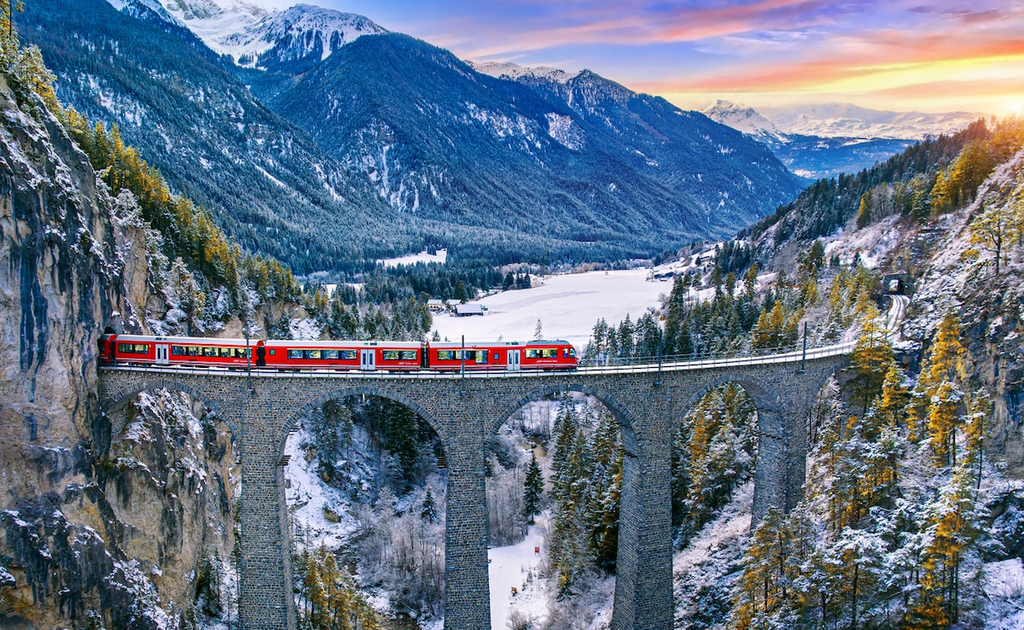
The Swiss Travel Pass focuses on Switzerland and includes unlimited travel on covered trains, buses and boats, plus public transport in more than 90 towns and cities. SBB also lists free admission to more than 500 museums and discounts on many mountain railways and cable cars.
That distinction becomes important the moment a traveller reaches Lucerne, Interlaken, Zermatt or another base and starts making short local journeys.
A Global Pass may have covered the train from Basel to Lucerne perfectly. It does not automatically mean the city bus, lake boat and mountain railway used later that day are also covered.
Swiss Travel Pass vs Eurail Coverage Compared
The Swiss Travel Pass covers more types of transport within Switzerland, while the Global Pass covers far more countries.
| Feature | Global Pass | Swiss Travel Pass |
|---|---|---|
| Countries covered | 33 countries | Switzerland-focused |
| Major Swiss trains | Extensive coverage | Extensive coverage |
| Regional Swiss trains | Many participating operators | Very broad coverage |
| City buses and trams | Generally not included as standard | Included in 90+ towns and cities |
| Boats | Operator and benefit rules vary | Extensive covered network |
| Museums | Not a core pass feature | 500+ museums |
| Mountain railways | Discounts vary by operator | Many offer discounts, some are free |
| Mount Rigi | Check current Global Pass benefit | Included |
| Stanserhorn | Check current Global Pass benefit | Included |
| Stoos | Check current Global Pass benefit | Included |
| Pilatus | 50% discount | 50% discount |
| Gornergrat | Check applicable Global Pass fare | 50% discount |
| Jungfraujoch | Additional ticket required | 25% discount |
| Glacier Express fare | Pass can be used under applicable conditions | Pass can be used under applicable conditions |
| Glacier Express seat reservation | Extra | Extra |
| Travel beyond Switzerland | Major advantage | Limited |
| Free museum admission | No broad equivalent | Yes |
SBB specifically lists Rigi, Stanserhorn and Stoos as included mountain excursions and says most other mountain lifts and railways receive discounts of up to 50%.
What Does the Swiss Travel Pass Include in 2026?
The Swiss Travel Pass is available for 3, 4, 6, 8 or 15 consecutive days.
This is worth highlighting because older comparison articles frequently omit the 6-day pass, which can make a significant difference for a one-week trip.
SBB currently lists these benefits:
- Unlimited travel on covered trains, buses and boats
- Travel on covered panoramic railway routes, although reservations or supplements may still be required
- Public transport in more than 90 Swiss towns and cities
- More than 500 participating museums
- Rigi, Stanserhorn and Stoos mountain excursions included
- Up to 50% discount on many other mountain excursions
- Youth pricing for travellers under 25
- Swiss Family Card benefits for qualifying children
These benefits are confirmed on the current SBB Swiss Travel Pass information.
The pass is intended for visitors who are permanently resident outside Switzerland and Liechtenstein.
Swiss Travel Pass Prices
The adult second-class Swiss Travel Pass currently starts at CHF 254 for three consecutive days.
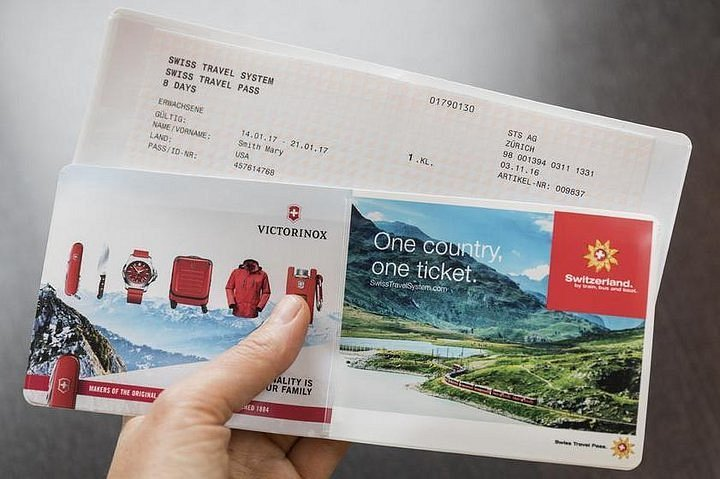
SBB lists the following prices as valid until December 31, 2026, while also noting that prices and offers can change.
| Pass duration | Adult 2nd class | Adult 1st class |
|---|---|---|
| 3 days | CHF 254 | CHF 405 |
| 4 days | CHF 309 | CHF 492 |
| 6 days | CHF 399 | CHF 634 |
| 8 days | CHF 439 | CHF 697 |
| 15 days | CHF 499 | CHF 787 |
The pricing reveals something useful that is easy to overlook.
The cost per day falls sharply on longer passes. An eight-day pass costs only CHF 40 more than a six-day pass, while a 15-day pass costs CHF 60 more than the eight-day version.
That means travellers should not automatically shorten a Swiss Travel Pass to save money. Removing covered days can force them to buy expensive individual journeys later.
What Is the Swiss Travel Pass Flex?
The Swiss Travel Pass Flex is designed for travellers who need non-consecutive travel days during one month.
It is sold for 3, 4, 6, 8 or 15 selected days within one month. The adult second-class prices currently start at CHF 289 for three days and reach CHF 519 for 15 days.
The Flex version becomes useful when a trip contains long stays in one destination.
For example:
- Zurich to Zermatt on day one
- Three days hiking around Zermatt
- Zermatt to Interlaken on day five
- Several days based in Interlaken
- Interlaken to Lucerne later in the trip
A consecutive Swiss Travel Pass may spend valuable validity days while the traveller is walking rather than using public transport. The Flex version lets travellers concentrate pass days around expensive transport days.
Is Eurail Valid in Switzerland?
Yes. The Global Pass is valid on many important Swiss railway services, so buying a separate Swiss Travel Pass is not automatically necessary.
The current Interrail Global Pass covers participating networks across 33 countries and gives travellers access to most trains operated by participating railway companies.
This makes the Global Pass particularly useful for a route such as:
Paris > Basel > Lucerne > Interlaken > Milan > Venice
Buying a Swiss Travel Pass in addition to a Global Pass can create unnecessary duplicate rail coverage if most of the Swiss itinerary stays on railways already covered.
The weak point appears when the itinerary becomes more local.
Interrail clearly states that other public transport such as ordinary trams, buses and metros is generally not included, although certain partner benefits and exceptions exist.
This is why a Global Pass can be excellent for reaching Lucerne but less complete for everything a traveller wants to do after arriving there.
Eurail Is Now Interrail: What Changed in September 2026?
The name changed, but the Global Pass concept did not suddenly disappear.
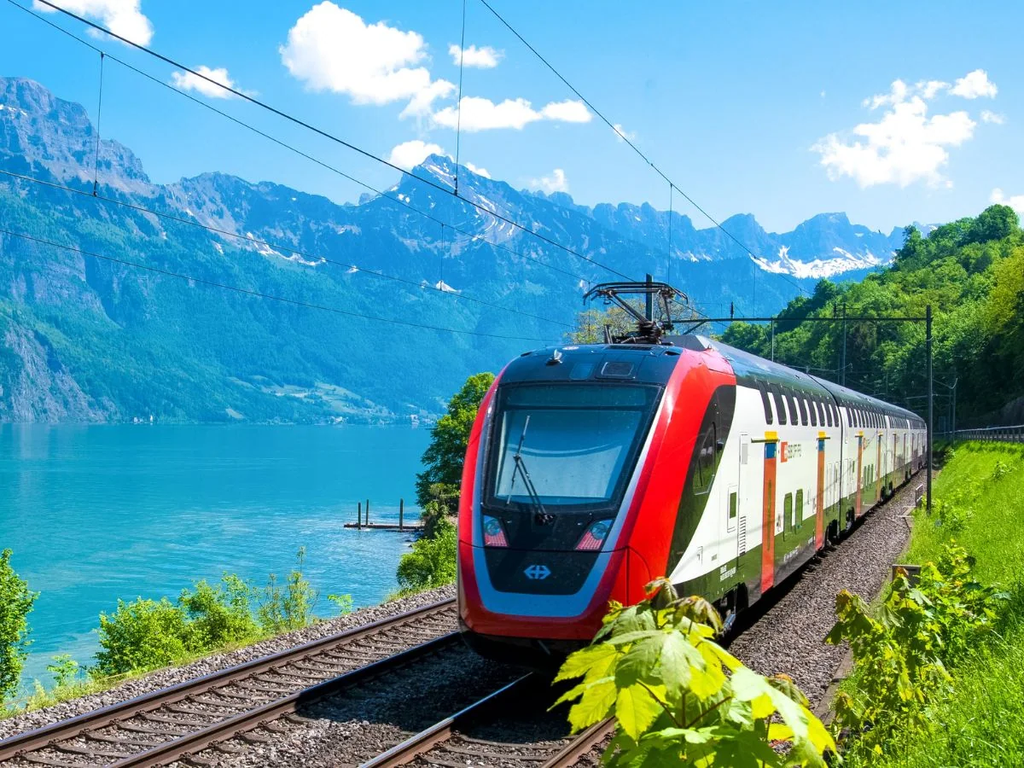
From September 9, 2026, Eurail began operating globally under the Interrail name. The current official Global Pass page tells former Eurail customers that they are in the right place and describes it as the same pass for exploring Europe by train.
This creates a temporary naming problem for travellers.
Older bookings, travel blogs, guidebooks and search results still use phrases such as:
- Eurail Global Pass
- Eurail Switzerland
- Eurail Pass Switzerland
- Eurail vs Swiss Travel Pass
New official pages increasingly use:
- Interrail Global Pass
- Global Pass
- Interrail Switzerland
Readers comparing passes in late 2026 should treat these as part of the same product transition rather than assuming Eurail and Interrail suddenly became two separate competing passes.
Which Pass Is Better for Swiss Mountain Railways?
The Swiss Travel Pass usually has the advantage for mountain-heavy Switzerland trips, but the advantage varies dramatically by mountain.
This is one of the most important parts of the comparison because Swiss mountain transport can be expensive enough to change the entire pass calculation.
Mount Rigi Is Fully Included With the Swiss Travel Pass
Swiss Travel Pass holders currently travel free on eligible Rigi Railways services.
Rigi Railways lists a standard day ticket at CHF 84 from June 1, 2026 and gives Swiss Travel Pass holders a 100% discount on its applicable network.
That is a meaningful saving.
A Lucerne-based traveller might use a lake boat, climb Rigi by mountain railway, return by another route and use local public transport later that evening.
Looking only at the Lucerne to Rigi train segment misses the real value of the Swiss Travel Pass. The useful comparison is the total cost of the entire day.
Pilatus Gives Both Passes a 50% Discount
Pilatus is one mountain where neither pass has a clear discount advantage.
Pilatus confirms that holders of Eurail, Interrail and the Swiss Travel Pass all receive a 50% discount on the applicable Kriens or Alpnachstad to Pilatus routes. Current 2026 fares list CHF 84 for several standard return combinations and CHF 42 for eligible pass holders.
This is exactly why broad claims such as “Swiss Travel Pass gives better mountain discounts” can be misleading.
For Pilatus itself, the discount is currently the same.
Gornergrat Gives Swiss Travel Pass Holders 50% Off
The Swiss Travel Pass currently cuts standard Gornergrat fares by 50%.
Gornergrat Railway confirms that Swiss Travel Pass holders receive a 50% discount on its standard tickets.
The saving can be substantial. During the June 27 to August 16, 2026 period, the Gornergrat round-trip product was listed at CHF 141 full price and CHF 70.50 reduced.
For travellers spending several days in Zermatt, this is the type of excursion that belongs in the pass calculation before any purchase is made.
Does the Swiss Travel Pass Cover Jungfraujoch?
No. Jungfraujoch is not fully included with the Swiss Travel Pass.
This remains one of the most misunderstood Swiss pass rules.
SBB’s current Switzerland itinerary guidance states that the Swiss Travel Pass provides a 25% discount on the journey to Jungfraujoch.
Do not apply the standard “50% off mountain railways” assumption here. Jungfraujoch is an important exception.
The practical lesson is simple:
- Travel into the Jungfrau region can be substantially covered.
- The final mountain journey to Jungfraujoch requires an additional ticket.
- The Swiss Travel Pass discount on that journey is 25%.
- Check the latest operator price before fixing your total transport budget.
Another practical point matters more than it first appears. Mountain weather should influence when the Jungfraujoch ticket is purchased.
There is little value in locking an expensive high-altitude excursion to a poor-weather day unless the fare conditions or high-season capacity make advance booking necessary.
Does Eurail or the Swiss Travel Pass Cover the Glacier Express?
Both passes can work with the Glacier Express, but a pass does not remove the compulsory seat reservation cost.
The Glacier Express booking system currently recognises Eurail, Interrail and Swiss Travel Pass products as eligible travel documents or discount cards. Travellers can select the relevant pass during booking.
SBB also describes the Glacier Express as usable with the Swiss Travel Pass while stating that seat reservations are mandatory.
This distinction saves travellers from a common mistake:
A covered train fare and a covered reservation are not the same thing.
The pass may cover the eligible transport fare while the traveller still pays the Glacier Express reservation charge.
That extra amount should be added to both sides of a pass comparison.
Do You Need Seat Reservations on Swiss Trains?
Most ordinary Swiss trains do not require seat reservations.
The Swiss government’s public transport guidance states that reservations are generally unnecessary on regular Swiss trains, including major rail routes, while sightseeing trains such as the Glacier Express and Bernina Express can require reservations.
This is one reason rail travel in Switzerland feels relatively simple.
For a normal journey such as Zurich to Bern or Lucerne to Interlaken, travellers can usually board an eligible train with the appropriate ticket or pass rather than booking a specific seat weeks in advance.
Premium panoramic services are different.
Always check whether the specific branded train requires a reservation even when the railway route itself is covered.
Is the Swiss Travel Pass Worth It for an 8-Day Switzerland Trip?
The eight-day Swiss Travel Pass is often worth pricing first when the itinerary includes several cities, boats and mountain excursions.
Consider this realistic trip:
- Zurich Airport to Lucerne
- Lucerne public transport
- Lake Lucerne boat journey
- Mount Rigi excursion
- Lucerne to Interlaken
- Lauterbrunnen and surrounding local transport
- Interlaken to Zermatt
- Gornergrat excursion
- Zermatt to Montreux
- Montreux to Geneva Airport
A weak comparison adds only the major intercity trains.
A useful comparison adds everything the traveller expects to pay for, including local transport, boats and mountain discounts.
Mount Rigi alone can represent an CHF 84 standard day-ticket cost in 2026. Gornergrat can add another significant mountain fare. Urban transport, lake boats and intercity journeys then sit on top.
That does not automatically prove the Swiss Travel Pass is cheaper. It proves that comparing only three major train fares gives the wrong answer.
When Is the Global Pass Better Than the Swiss Travel Pass?
The Global Pass becomes much stronger when Switzerland is only one section of a longer European itinerary.
Consider this route:
Amsterdam > Paris > Basel > Lucerne > Interlaken > Milan > Venice > Vienna
A Swiss Travel Pass solves the Switzerland section extremely well, but it stops being useful once the traveller continues deeper into Italy, Austria or another participating country.
The Global Pass continues working across participating railway networks in 33 countries.
It deserves serious consideration when:
- Switzerland accounts for only a few days of a longer European holiday.
- The traveller already owns a Global Pass.
- Most Swiss journeys are on participating railway services.
- Few city buses, trams or boats are needed.
- Expensive mountain excursions are limited.
- Long international train journeys make up a large part of the itinerary.
- Flexibility across national borders matters more than local Swiss inclusions.
A useful rule is this: do not pay twice for the same Swiss railway journey simply to gain a few local benefits. Calculate the value of those extra benefits first.
When Is the Swiss Travel Pass Better Than Eurail?
The Swiss Travel Pass becomes stronger when Switzerland itself is the holiday rather than a transit section.
It is particularly useful when a day might involve several transport types.
A realistic Swiss day can include:
- InterCity train
- Local bus
- Lake boat
- Mountain railway
- City tram
- Museum visit
The Swiss Travel Pass is built around this style of travel.
SBB currently includes unlimited travel on covered trains, buses and boats, local public transport in more than 90 towns and cities, and admission to more than 500 museums.
The pass deserves priority when:
- Switzerland is the only country on the trip.
- Hotels change every two or three nights.
- Lucerne, Interlaken, Bern, Zermatt and other Swiss destinations are combined.
- Lake cruises are planned.
- City transport will be used frequently.
- Rigi, Stanserhorn or Stoos is part of the itinerary.
- Several museums are genuinely planned.
- The traveller values spontaneous route changes.
The Convenience Advantage Most Pass Comparisons Ignore
The value of the Swiss Travel Pass is not limited to fares saved. It can also reduce how many transport decisions need to be made each day.
Imagine waking up in Interlaken to heavy rain that ruins a planned hike.
A traveller with broad Swiss transport coverage can change the day quickly. Bern, a lake journey, a museum, another valley or a scenic train ride may become the replacement plan without rebuilding the entire transport budget.
This flexibility has a real value, especially in the Alps where weather can change plans.
However, convenience should not become an excuse for overspending.
A traveller staying five nights in one village and hiking most days may get far less value from unlimited nationwide transport than someone changing destinations almost every day.
Swiss Travel Pass Family Rules vs Global Pass Family Rules
Families should compare the ages of their children before comparing adult pass prices.
SBB states that children aged 6 to under 16 can travel free with the complimentary Swiss Family Card when accompanied by at least one parent holding a qualifying Swiss Travel System ticket. Children under six travel free.
The current Global Pass family rules are different. Children aged 4 to 11 can travel free with a Child Pass when accompanied by an eligible Adult, Senior or qualifying Youth Pass holder. Up to two children can travel with each qualifying accompanying pass holder.
This creates an important comparison for families with teenagers.
A 13, 14 or 15-year-old can fall into very different pricing categories under the two systems.
For some Switzerland-focused families, that age difference can matter more than a relatively small difference between adult pass prices.
Swiss Travel Pass Youth vs Global Pass Youth Discounts
Young travellers receive meaningful discounts under both systems, but the age rules differ.
SBB gives travellers under 25 a 30% reduction through the Swiss Travel Pass Youth.
The current Global Pass defines Youth travellers as those aged 12 through 27, with the Youth Pass sold at a discount compared with the standard adult product.
For a 25, 26 or 27-year-old traveller, that difference can be important.
A 27-year-old may no longer qualify for Swiss Travel Pass Youth pricing but can still qualify for the Global Pass Youth category.
First Class or Second Class: Which Is Better?
Second class is enough for most leisure travellers in Switzerland.
Swiss trains are generally comfortable in second class, and many mountain railways, cable cars, buses and local services do not provide enough additional benefit to justify paying for first class across an entire trip.
First class makes more sense when:
- Long intercity train journeys dominate the itinerary.
- Extra space matters.
- Travelling during busy periods.
- A quieter environment is important.
- Premium boat or train sections form a major part of the holiday.
A practical strategy is to buy second class and pay for selected upgrades when a particular journey makes the upgrade worthwhile.
What Hidden Costs Should You Add Before Buying Either Pass?
Four costs frequently make online pass comparisons inaccurate.
1. Panoramic Train Reservations
A pass can cover the railway fare while leaving the seat reservation unpaid.
The Glacier Express is the clearest example. Its booking system accepts Swiss Travel Pass and Eurail or Interrail products, but the reserved seat remains a separate requirement.
2. Mountain Transport
Jungfraujoch, Pilatus and Gornergrat demonstrate why every mountain should be checked individually.
The Swiss Travel Pass currently gives:
- Rigi: free on eligible Rigi Railways services
- Pilatus: 50% discount on applicable routes
- Gornergrat: 50% discount
- Jungfraujoch: 25% discount
These are not interchangeable rules.
3. Local Buses and Trams
Global Pass holders can still need separate tickets for ordinary urban transport because trams, buses and metros are not generally included as part of standard Global Pass coverage.
The Swiss Travel Pass includes local public transport in more than 90 towns and cities.
4. Wasted Flexible Travel Days
A Global Pass travel day can be valuable.
Using one for a short, inexpensive journey can be poor value if that same travel day could later cover a much more expensive international trip.
Travellers using a flexible Global Pass should map expensive journeys first and allocate travel days strategically.
How to Calculate Whether Eurail or Swiss Travel Pass Is Cheaper
Build the comparison from your itinerary rather than from the pass price.
Use this six-step calculation:
- List every major train journey. Include airport transfers and relocation days.
- Add local transport. Include expected buses and trams.
- Add boat journeys. Lake transport is easy to forget when planning from a railway map.
- Price every mountain excursion separately. Apply the correct pass discount rather than a generic 50% assumption.
- Add compulsory reservations. Glacier Express and other premium trains can create additional costs.
- Count attraction savings only when you genuinely plan to use them. A free museum you never intended to visit has zero real value.
A useful formula is:
Real pass value = rail fares saved + local transport saved + boat fares saved + mountain savings + planned admission savings minus compulsory extras
The word planned matters.
Do not artificially make a pass appear cheaper by counting ten museums you would never visit without the pass.
Swiss Travel Pass vs Swiss Half Fare Card: Do You Need Either Main Pass?
Some Switzerland travellers should buy neither a Global Pass nor a Swiss Travel Pass.
The tourist Swiss Half Fare Card is valid for one month and reduces the price of many train, bus, boat and mountain journeys. SBB describes it as providing half-price travel across a large part of the Swiss public transport system.
It deserves attention when:
- You stay several nights in each destination.
- Hiking days outnumber transport-heavy days.
- Long-distance train journeys are limited.
- Mountain excursions make up a large share of the transport budget.
- You do not value the museum benefit.
- You are comfortable buying individual discounted tickets.
This is especially important for travellers who automatically assume the decision is limited to “Eurail vs Swiss Travel Pass.”
The cheapest answer can be a third product.
What Should You Never Do When Choosing a Swiss Rail Pass?
Do not buy the pass first and then force the itinerary to justify it.
Avoid these common mistakes:
- Do not assume Eurail coverage means every Swiss bus, cable car and boat is free.
- Do not assume the Swiss Travel Pass makes Jungfraujoch free.
- Do not apply a 50% mountain discount to every mountain journey.
- Do not forget panoramic train reservation charges.
- Do not compare a flexible pass directly with a consecutive pass without considering travel-day structure.
- Do not count museum savings unless those museums are already part of your plans.
- Do not waste an expensive Global Pass travel day on a journey that costs very little separately.
- Do not buy first class automatically when most of the itinerary is on local or mountain transport.
- Do not rely on old forum prices for a current trip.
The last point is particularly important. Switzerland’s pass prices, operating rules and mountain fares change over time.
What Happens If a Train Is Delayed or Cancelled in Switzerland?
Swiss public transport passengers have legal rights when qualifying services are seriously delayed or cancelled.
The Swiss Federal Office of Transport states that passengers can have rights to refunds, compensation and assistance. Delays of more than one hour can qualify for compensation under applicable conditions.
The current rules state that qualifying passengers can receive 25% of the ticket price for delays of more than one hour and 50% for delays of more than two hours, subject to minimum compensation conditions.
For official guidance, use the Swiss government’s Federal Office of Transport passenger rights guide.
Travellers wanting the detailed compensation rules can use the Federal Office of Transport compensation and refunds page.
For an overview of Switzerland’s fare system and legal passenger protections, see the Federal Office of Transport fares and passenger rights guide.
If a transport company rejects a passenger-rights complaint and the traveller wants the case reviewed, the government also provides a Federal Office of Transport enforcement procedure.
Switzerland’s federal information portal also provides a useful overview of how the country’s trains, trams, buses, boats and mountain transport work.
Is the Swiss Travel Pass Better for Lucerne?
The Swiss Travel Pass becomes particularly attractive in Lucerne when the itinerary combines trains, boats, city transport and mountain excursions.
Lucerne is one of the best examples of why rail-only comparisons can fail.
A traveller may use:
- Train from Zurich
- Local city bus
- Lake Lucerne boat
- Rigi Railways
- Another boat or train back
- Local transport in the evening
Rigi is currently included with the Swiss Travel Pass, while Pilatus currently gives both Swiss Travel Pass and Eurail or Interrail holders the same 50% discount.
This creates a useful itinerary insight.
A traveller planning Rigi gets a much stronger Swiss Travel Pass advantage than a traveller planning only Pilatus.
That is the type of route-specific distinction that should determine the purchase.
Is the Swiss Travel Pass Better for Interlaken?
The Swiss Travel Pass is useful around Interlaken, but expensive mountain excursions still need separate calculation.
Regional trains and local travel can make the pass convenient, but travellers should not assume everything above Interlaken is included.
Jungfraujoch remains the key exception because the Swiss Travel Pass provides a 25% discount rather than free travel.
This means two travellers staying in the same hotel can reach different conclusions.
Traveller A spends four days using regional transport, lake boats and day trips.
Traveller B spends most days hiking locally and pays mainly for one expensive Jungfraujoch excursion.
Traveller A may get much more value from the Swiss Travel Pass even though both travellers have identical accommodation and trip length.
Is the Swiss Travel Pass Better for Zermatt?
The answer depends heavily on how many paid mountain journeys you plan after reaching Zermatt.
The journey to Zermatt itself is only part of the cost.
Once there, travellers may consider:
- Gornergrat
- Matterhorn-area mountain transport
- Regional journeys
- Glacier Express arrival or departure
- Other cable cars and mountain railways
The Swiss Travel Pass currently provides a 50% reduction on Gornergrat Railway tickets, which can produce substantial savings on a Zermatt itinerary.
A traveller staying in Zermatt for five days but taking only one major excursion may calculate the pass differently from someone using mountain transport every day.
Final Verdict: Eurail Global Pass or Swiss Travel Pass?
Buy the Swiss Travel Pass first when Switzerland is the main destination. Price the Global Pass first when Switzerland is part of a larger European rail journey.
For a classic route such as:
Zurich > Lucerne > Interlaken > Zermatt > Montreux > Geneva
the Swiss Travel Pass deserves the first calculation because it covers far more than the long-distance train legs.
For:
Paris > Basel > Lucerne > Interlaken > Milan > Venice > Vienna
the Global Pass deserves the first calculation because its international coverage can avoid purchasing multiple national rail products.
For a slower holiday based in only two or three Swiss destinations, calculate the Swiss Half Fare Card as well.
The final question should never be:
Which pass has the lower purchase price?
The better question is:
Which pass covers the transport I will actually use after trains, buses, boats, mountain railways, reservations and family rules are all included?
That calculation gives the real answer.
Eurail Global Pass vs Swiss Travel Pass FAQs
Is Eurail better than the Swiss Travel Pass for Switzerland?
The Swiss Travel Pass is generally more complete for a Switzerland-only holiday, while the Global Pass is stronger for multi-country European trips.
The Swiss Travel Pass includes a broader mix of Swiss public transport and tourist benefits. The Global Pass provides rail access across 33 countries.
Can I use Eurail on trains in Switzerland?
Yes. The Global Pass covers many participating Swiss railway services, making it possible to travel extensively by train without buying a Swiss Travel Pass as well.
Does Eurail cover Swiss buses and trams?
Ordinary buses, trams and metros are generally not included as standard Global Pass transport. Some individual benefits and exceptions may apply.
Does the Swiss Travel Pass cover buses and trams?
Yes. SBB says local public transport is included in more than 90 towns and cities.
Does the Swiss Travel Pass include boats?
Yes, extensive boat travel is included on covered routes. Travellers should check the current validity map for the specific service they plan to use.
Is Jungfraujoch free with the Swiss Travel Pass?
No. SBB currently states that the Swiss Travel Pass provides a 25% discount on the journey to Jungfraujoch.
Is Mount Rigi free with the Swiss Travel Pass?
Yes, eligible Mount Rigi travel is currently included. Rigi Railways confirms a 100% discount for Swiss Travel Pass holders on its applicable services.
Is Pilatus free with the Swiss Travel Pass?
No. Pilatus currently gives Swiss Travel Pass, Eurail and Interrail holders a 50% discount on applicable mountain routes.
Is Gornergrat included in the Swiss Travel Pass?
It is discounted rather than fully included. Gornergrat Railway currently gives Swiss Travel Pass holders 50% off applicable tickets.
Does the Swiss Travel Pass include the Glacier Express?
The pass can cover the eligible transport fare, but the Glacier Express seat reservation remains compulsory.
Do I need reservations on normal trains in Switzerland?
Usually not. Switzerland’s official public transport guidance says regular trains generally do not require reservations, although sightseeing services such as the Glacier Express and Bernina Express are exceptions.
Which pass is best for eight days in Switzerland?
The eight-day Swiss Travel Pass is usually the first pass worth calculating for an active multi-stop Switzerland itinerary. The current adult second-class price is CHF 439 through December 31, 2026, subject to offer changes.
Is Eurail still available after September 2026?
Eurail has moved under the Interrail brand worldwide. The change took effect from September 9, 2026, with the official site describing it as the same pass and travel concept.

