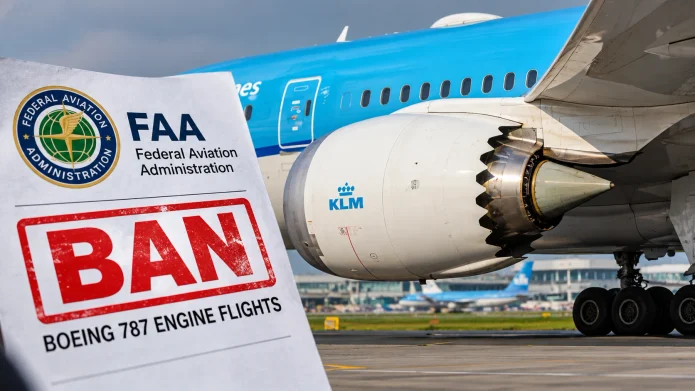
The Federal Aviation Administration (FAA) officially prohibited airlines from flying Boeing 787 Dreamliners with malfunctioning intermediate pressure bleed valves starting December 13, 2026. This federal Airworthiness Directive, published on September 29, 2026, forces carriers to immediately repair the Trent 1000 engine component rather than deferring the maintenance. Officials issued this ban because manufacturer Rolls-Royce could not mathematically guarantee that an engine with a broken valve would recover from a severe mid-air flameout.
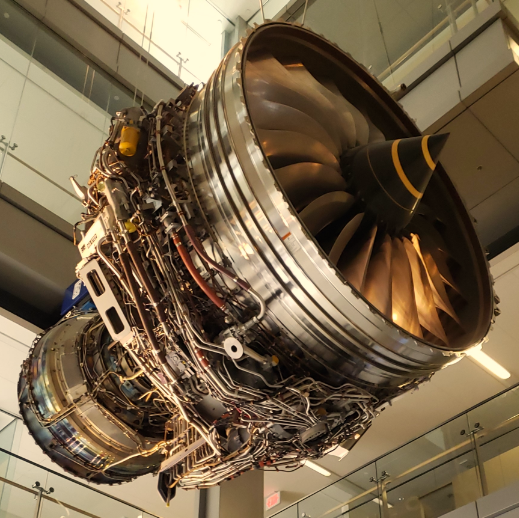
Why the FAA Stopped the MEL Dispatch Allowance
Airlines utilize a Minimum Equipment List (MEL) to safely operate commercial aircraft with minor broken parts for a limited, strictly regulated timeframe. The previous regulatory allowance permitted Trent 1000-powered jets to carry passengers for up to three days with one broken intermediate pressure bleed valve (IPBV) per engine. The new directive permanently removes this specific leniency. The engine manufacturer informed safety regulators that it lacks the necessary flight data to prove the engine remains safe during unpredictable operating environments without a functional IPBV. The National Transportation Safety Board (NTSB) and global regulators routinely support grounding orders when engineers cannot predict how a failed component impacts overall engine combustion. Without a working bleed valve, the engine risks devastating compressor stalls or total power loss.
What Does the Intermediate Pressure Bleed Valve Actually Do?
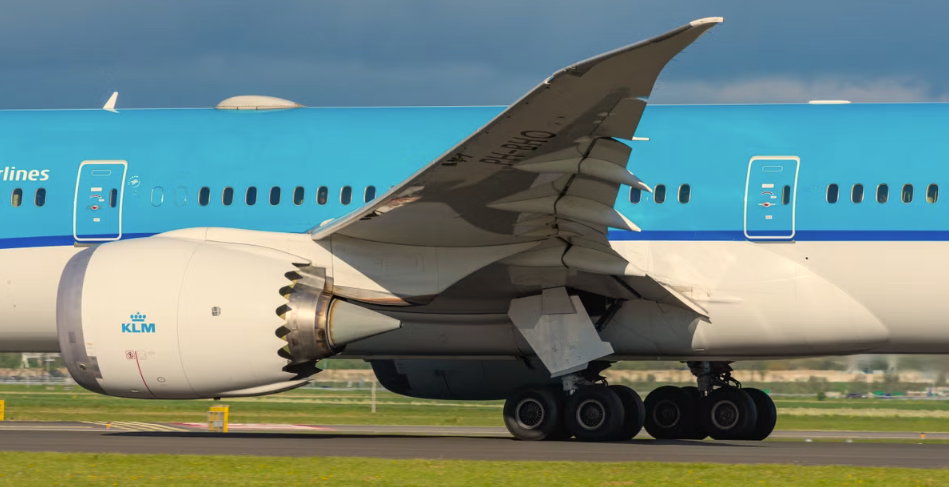
The intermediate pressure bleed valve plays a critical role in managing internal air pressure and preventing catastrophic compressor stalls during flight. Jet engines compress massive amounts of air, and if that pressure builds incorrectly during a descent or sudden throttle change, the internal airflow can violently reverse. The bleed valve automatically vents this excess pressure into the bypass duct to maintain stable engine combustion.
Flying with a broken IPBV removes the engine’s primary defense mechanism against aerodynamic stalling. If an aircraft encounters severe turbulence, icing, or requires a rapid altitude change, the engine requires this valve to rapidly adjust internal pressures. A failed valve leaves the engine highly vulnerable to flaming out precisely when the pilots need thrust the most.
Also read – 35 Off the Beaten Path Places to Visit in the USA
Which Boeing 787 Aircraft Does the Ban Target?
The mandatory repair directive targets 18 specific variants of the Rolls-Royce Trent 1000 engine, spanning from the Trent 1000-A through the Trent 1000-L2. The rule exclusively affects Boeing 787-8 and 787-9 aircraft frames equipped with these exact British-manufactured turbofans.
Airlines operating Boeing 787 fleets powered by General Electric GEnx engines face zero restrictions under this specific FAA ruling. The mechanical flaw remains entirely isolated to the Rolls-Royce bleed air system.
| Directive Detail | Specific Specification |
| Aircraft Affected | Boeing 787-8 and 787-9 only |
| Engines Affected | 18 models (Trent 1000-A to Trent 1000-L2) |
| Effective Date | October 14, 2026 |
| Dispatch Ban Start Date | December 13, 2026 |
| Estimated Repair Cost | $85 per airplane |
How This Directive Impacts Passengers and Airlines
Travelers flying on domestic United States routes will barely notice the regulatory shift because only 16 US-registered aircraft currently utilize these specific Trent 1000 engines. However, the global impact remains much larger as foreign carriers operating international long-haul flights into America must also comply with these strict safety standards.
When a component breaks at an outstation airport, mechanics can no longer use the MEL to legally dispatch the plane back to a main maintenance hub. For example, if a London-bound 787 suffers a valve failure in a remote South American airport, the airline must completely ground the jet. The carrier then has to fly in a replacement part and a certified technician, causing a massive, multi-day delay for ticketed passengers.
Aviation authorities worldwide often mirror FAA rulings to maintain standard global safety practices. The European Union Aviation Safety Agency (EASA) and the United Kingdom Civil Aviation Authority (CAA) consistently align their operational directives with American standards to prevent airspace compliance conflicts.
Why the FAA Skipped the Public Comment Period
Federal regulators completely bypassed the standard public comment period before adopting this strict rule to address an immediate, unmitigated safety threat. Standard aviation rulemaking usually requires months of industry feedback before a directive becomes legally binding.
The agency determined that the risk of a dual-engine flameout over the ocean required instant intervention rather than bureaucratic delays. The Department of Transportation (DOT) supports this emergency authority when missing engineering data leaves passenger safety to chance.
Regulators will still accept retrospective comments from airline engineers and mechanics until November 13, 2026. If the manufacturer provides new, verifiable test data proving the valve failure is harmless, the FAA retains the legal power to amend or withdraw the dispatch ban entirely.
Follow these 3 steps to identify if your flight might face delays due to this rule:
- Check the aircraft type: Look at your booking confirmation to see if you are flying on a Boeing 787-8 or 787-9.
- Identify the carrier: Airlines like British Airways and Air New Zealand heavily utilize the affected Trent 1000 engines across their global networks.
- Monitor flight status: Watch for sudden mechanical delays extending beyond 24 hours, as airlines must now ground planes immediately to replace faulty valves at remote airports.

