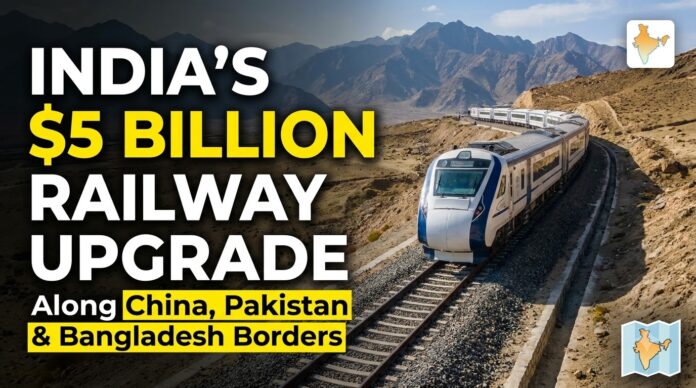
India is reportedly preparing a nearly $5 billion railway upgrade along its borders with China, Pakistan and Bangladesh, aiming to improve military logistics while giving remote communities more reliable transport.
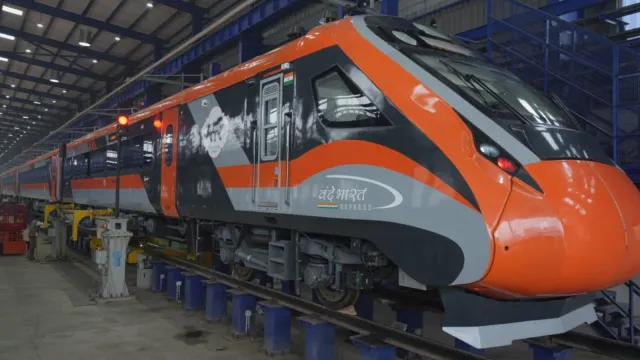
The proposed program could be carried out over the next 18 to 24 months. It is expected to include new railway lines, stronger existing tracks, additional platforms and wider capacity improvements across Punjab, Rajasthan, Himachal Pradesh, West Bengal, Assam and other northeastern states.
The estimated investment is approximately $4.7 billion at current exchange rates, commonly rounded to $5 billion in international reporting. The proposal has been reported through people familiar with the plans, but India’s Railway Ministry had not publicly confirmed the complete package at the time of reporting.
What Is India’s $5 Billion Border Railway Plan?
India’s border rail plan would strengthen railway infrastructure near three strategically important international frontiers.
The reported funding may be used for:
- Building new railway lines
- Strengthening existing tracks
- Expanding stations and platforms
- Increasing passenger and freight capacity
- Creating alternative supply routes
- Improving year-round access to remote border districts
- Connecting military and civilian transport networks
The railways would have a dual purpose. During normal periods, residents, tourists and businesses could use them. During emergencies, the same routes could move troops, vehicles, fuel, construction materials and essential supplies.
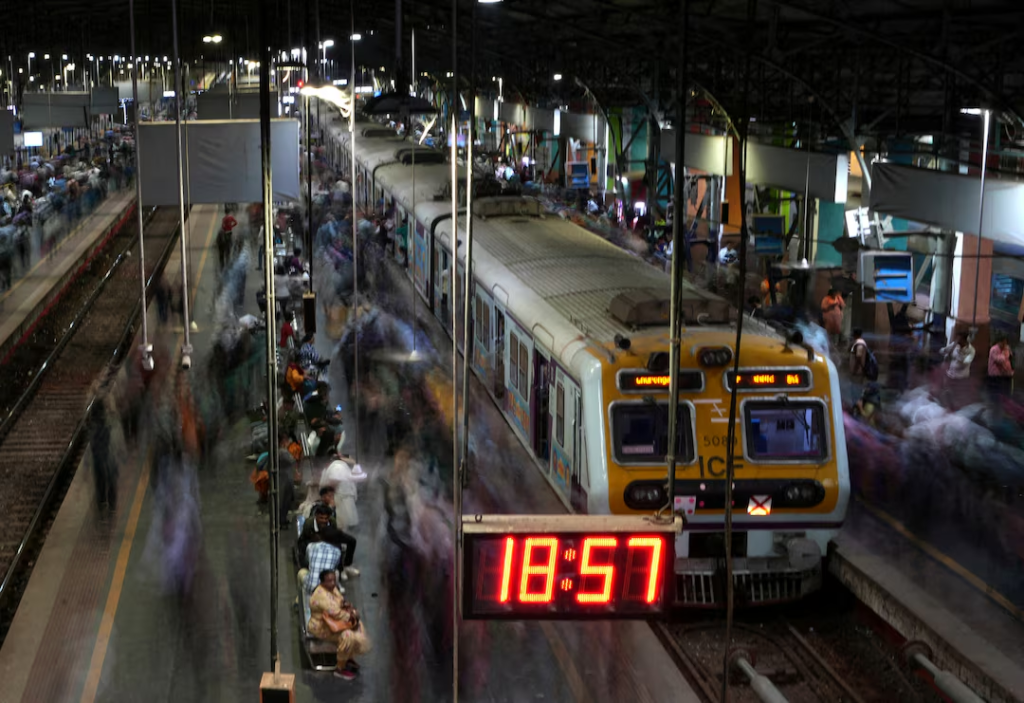
India border railway upgrade at a glance
| Key detail | Reported information |
|---|---|
| Estimated investment | Approximately $4.7 billion |
| Rounded headline value | $5 billion |
| Expected rollout period | 18 to 24 months |
| Borders covered | China, Pakistan and Bangladesh |
| Main regions | Northern, western and northeastern India |
| Primary purpose | Strategic logistics and civilian connectivity |
| Current status | Reported proposal awaiting full public confirmation |
Why Is India Building Railways Near Its Borders?
India needs faster and more dependable transport routes in areas where roads can be disrupted by landslides, floods, snow, congestion or security incidents.
Railways can move significantly larger loads than ordinary road vehicles. One freight train can transport fuel, machinery, food and heavy equipment that would otherwise require a long convoy of trucks.
This matters most in mountainous and remote areas.
A traveler who has experienced monsoon conditions in Himachal Pradesh or Northeast India will recognize the problem immediately: one damaged bridge or landslide can isolate a district for hours or even days. A railway cannot remove every weather risk, but it creates another route when a major road is blocked.
The project could also reduce dependence on a single transport corridor. That gives India more flexibility during natural disasters, border tensions or major infrastructure failures.
Also read – 15 Best Places to Stargaze in India in 2026 & 5 My Favourite
Which Indian States Could Receive Border Railway Upgrades?
Punjab, Rajasthan, Himachal Pradesh, West Bengal, Assam and other northeastern states are expected to be included in the reported investment plan.
| Region | Why the railway upgrade matters |
| Punjab | Faster freight and strategic movement near Pakistan |
| Rajasthan | Better access across remote desert border districts |
| Himachal Pradesh | Stronger transport links toward Himalayan areas |
| West Bengal | Greater capacity near the Siliguri Corridor |
| Assam | Improved access to the wider northeastern region |
| Northeast India | Better links between capitals, towns and frontier districts |
The Siliguri Corridor is particularly important. This narrow land connection links mainland India with its northeastern states. Additional railway capacity in this area could strengthen passenger travel, commercial freight and emergency supply movements.
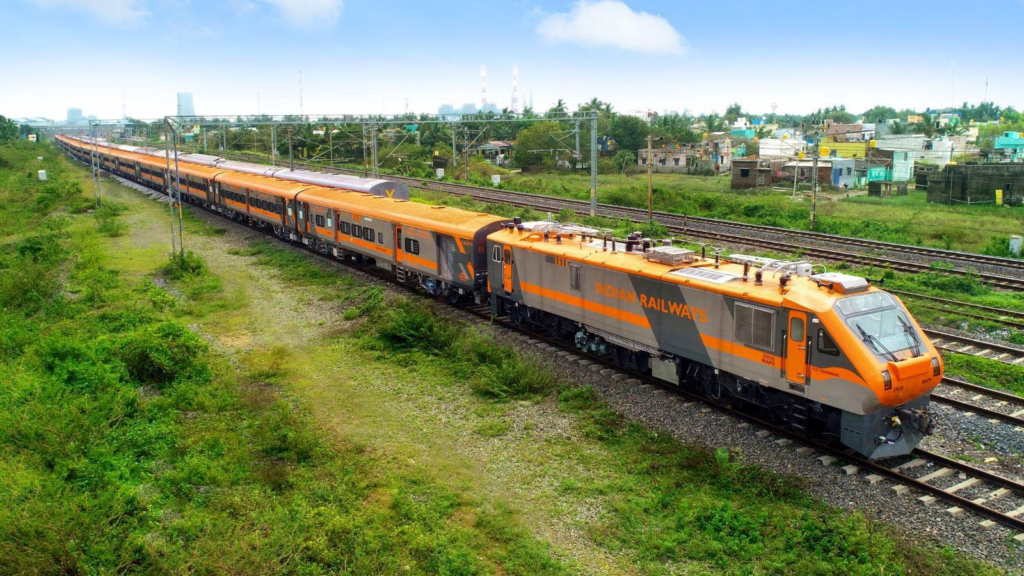
How Will the Railway Plan Help Local Residents?
The strongest civilian benefit would be more reliable access to markets, hospitals, education and employment.
Border railway projects are often presented as military investments, but their daily value can be much broader.
A farmer in a remote district may be able to send produce to a major market before it spoils. Students may gain safer access to colleges. Small hotels, restaurants and taxi operators may receive more customers when an isolated destination becomes easier to reach.
Expected benefits include:
- Lower transport costs: Businesses can move larger quantities of goods.
- More dependable travel: Residents rely less heavily on seasonal roads.
- Better emergency access: Medical and disaster teams can reach isolated areas faster.
- Tourism opportunities: Improved transport can bring visitors to lesser-known destinations.
- New employment: Construction and railway operations can create local jobs.
- Stronger local markets: Farmers and producers can reach more customers.
However, these benefits depend on sensible station locations, affordable fares and good roads connecting villages to railway stations.
What Strategic Rail Projects Is India Already Developing?
India has already advanced railway projects near the China border and announced its first direct rail connections with Bhutan.
A previously reported program involves approximately $3.4 billion for around 310 miles of railway lines, including tunnels and bridges, in northeastern areas close to China, Bangladesh, Myanmar and Bhutan.
India has also announced two Bhutan railway links:
- Kokrajhar to Gelephu: About 43 miles
- Banarhat to Samtse: About 12 miles
- Combined estimated cost: Approximately $420 million at current exchange rates
The projects are intended to improve trade, tourism and regional connectivity. The longer Kokrajhar–Gelephu route has received special-project status to help accelerate approvals and land acquisition.
Why Is Northeast India Central to the Railway Strategy?
Northeast India is critical because it combines difficult terrain, long international borders and relatively limited transport alternatives.
New routes in the region may require:
- Long tunnels through mountain areas
- Major bridges across rivers and valleys
- Reinforced slopes
- Flood-resistant track sections
- Additional security infrastructure
- Specialized construction equipment
These requirements make projects slower and more expensive than building on flat land.
Readers should therefore avoid assuming that every railway announced under an 18-to-24-month investment program will become operational within two years. Large mountain routes often require years of surveys, permissions and construction.
What Could Delay the $5 Billion Border Rail Upgrade?
Land acquisition, environmental approvals and difficult terrain are the most likely causes of delay.
Major risks include:
- Land ownership disputes
- Forest and wildlife permissions
- Unstable mountain slopes
- Flooding and extreme weather
- Complicated bridge construction
- Limited working seasons in snowbound areas
- Rising labor and material costs
- Coordination problems between state and federal agencies
A funding announcement is only the first stage. Detailed surveys, route approval, land acquisition, tenders and construction contracts must follow.
Also read – Tripadvisor’s Most Popular Summer Destinations for 2026
How Can Readers Verify New India Railway Announcements?
Readers should check official project records before treating a proposal as a fully approved construction program.
Use this five-step check:
- Search the Indian Ministry of Railways website.
- Review announcements from the Press Information Bureau.
- Look for a clearly named railway route.
- Check whether funding and land acquisition have been approved.
- Separate survey-stage projects from routes already under construction.
A railway under consideration is not the same as an approved railway. An approved railway is also not the same as a completed and operating line.
What Happens Next With India’s Border Rail Plan?
The next important development will be an official announcement listing the routes, approved funding and construction schedule.
Until those details are released, the $5 billion program should be described as a reported plan, not a finalized government package.
The strategic direction is nevertheless clear. India is investing heavily in railways that can support national defense while improving everyday transport in isolated regions.
That combination of security and civilian value is what makes the border railway plan important far beyond the railway industry.

