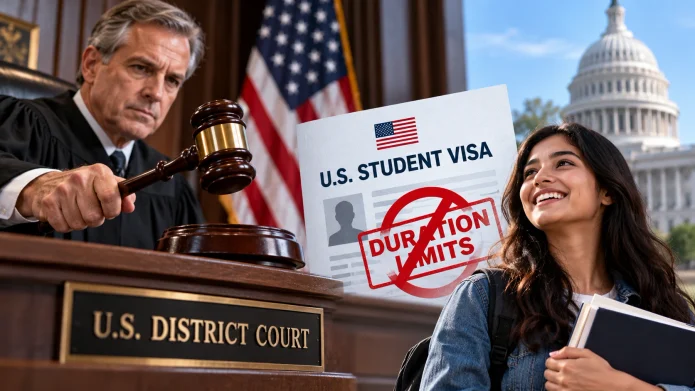
A federal judge in Massachusetts has signaled he may temporarily block the new U.S. rule that ends “duration of status” for international students. The rule, set to take effect on September 15, 2026, would replace the long-standing policy that lets students stay for the full length of their program with fixed time limits of no more than four years.
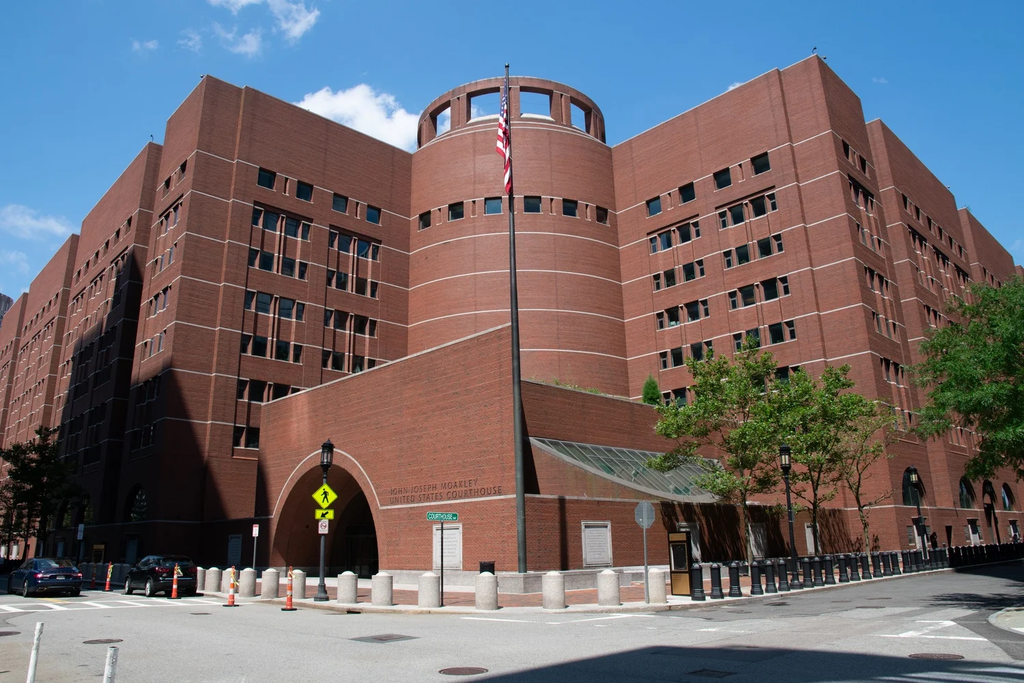
U.S. District Judge F. Dennis Saylor heard arguments in Boston last week. He expressed clear skepticism about the government’s national security justification and indicated he wants to issue a decision before the September 15 start date. If he needs more time, he left open the possibility of a temporary halt.
This matters right now because thousands of students are already arriving on campuses for the fall term. The change would force many to apply for formal extensions of stay if their studies run longer than four years, adding paperwork, fees, and uncertainty.
What Exactly Does the New Student Visa Rule Change?
The Department of Homeland Security final rule ends the decades-old “duration of status” framework for F-1 students, J-1 exchange visitors, and certain I-visa media representatives.
Under the current system, students remain in valid status as long as they maintain enrollment and follow the rules. The new rule replaces that with fixed admission periods capped at four years. Anyone whose program lasts longer must file an extension of stay with U.S. Citizenship and Immigration Services.
The rule also limits the ability to change educational goals, transfer schools, or pursue additional programs without extra steps. It shortens some grace periods and shifts more decision-making from universities to immigration officers.
The government says the change will reduce visa fraud and improve national security. Critics argue it creates unnecessary bureaucracy for legitimate students and institutions.
Also read – Ranked: The Most Expensive Tourist Visas in the World
Why the Judge Appeared Skeptical During the Hearing
Judge Saylor questioned the core justification for the four-year limit. He stated he was “struggling to see a rational connection” between the cap and national security. “A four-year cap does not have anything to do with national security,” he said in court.
The government pointed to a small number of past “pay-to-stay” fraud cases from 2018 and 2020 and some 2022 conspiracy charges involving Chinese F-1 students. The judge treated those examples as anecdotal and noted that someone intent on wrongdoing could still act within a four-year window.
He also focused on the rulemaking process itself. DHS received about 22,000 public comments. The judge suggested the agency moved too quickly and did not adequately address the concerns raised by universities, students, and other stakeholders.
Plaintiffs in the case, a coalition that includes NAFSA: Association of International Educators, the Presidents’ Alliance on Higher Education and Immigration, and several labor unions, argued the rule injects uncertainty and administrative burden into a system that has worked for decades. They say the potential harm to students and schools is concrete and hard to reverse once the rule takes effect.
What Happens Next and When Will Students Know?
The judge has indicated he aims to rule before September 15. He also left room for a temporary restraining order if he needs additional time to decide. That would pause the rule while the full case continues.
Students and universities are watching closely. Fall enrollments are already underway. International education groups have warned that the combination of this rule and other recent policy changes could further reduce new student arrivals.
For current students already in the United States, the practical impact depends on their program end date and whether they will need an extension after the rule’s effective date. Those whose programs finish before certain cutoffs may face fewer immediate changes, but the shift still creates planning complications.
Practical Steps International Students Should Take Right Now
Stay informed through official university international student offices rather than social media rumors. Designated school officials receive the most current guidance.
Helpful actions include:
- Confirm your current program end date on your Form I-20 or DS-2019.
- Ask your international student adviser how the potential rule change could affect any planned extension, transfer, or OPT timeline.
- Keep copies of all immigration documents and communication with your school.
- If you expect to need more than four years, begin gathering the materials an extension application would require (financial proof, academic progress evidence, etc.).
- Avoid making irreversible travel or housing plans that assume the current duration-of-status rules will continue unchanged after September 15.
Universities are already preparing internal systems for possible new extension processes. Early communication with your adviser reduces last-minute stress.
Broader Context for Students and Institutions
The lawsuit is one of several legal challenges to recent immigration policy shifts affecting international education. The timing coincides with forecasts of lower new international enrollments and associated economic impact on U.S. campuses and local economies.
Plaintiffs have emphasized that the rule hands academic decisions to immigration officers and offers no formal appeal if an extension is denied. That uncertainty is the core concern for many students who plan multi-year degrees, especially doctoral programs that routinely last longer than four years.
Judge Saylor’s comments during the hearing suggest he is taking those practical harms seriously while examining whether the government followed proper rulemaking procedures and provided a rational basis for the change.
Bottom Line for International Students
A federal judge has signaled he may issue an injunction or temporary halt against the new U.S. student visa duration limits before the September 15, 2026 effective date. The rule would end duration of status and impose a four-year maximum stay, requiring formal extensions for longer programs.
The judge expressed skepticism about the national security rationale and the government’s handling of public comments. A decision is expected soon. Students should stay in close contact with their university international offices and prepare documentation in case the rule proceeds as scheduled.
For official updates, monitor guidance from your school and reliable higher-education associations such as NAFSA.

