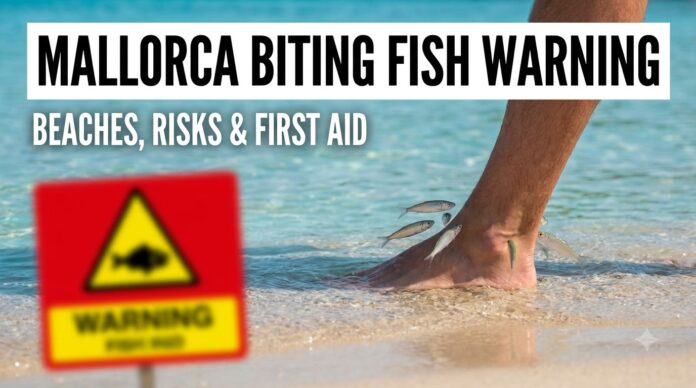
Travellers in Mallorca are being advised to take care after small fish reportedly bit swimmers at Illetes and Cala Comtessa, with several people saying the bites broke their skin.
The incidents occurred in shallow water at two popular beaches in Calvià, southwest Mallorca. Witnesses described small fish repeatedly approaching people’s feet and lower legs. Some swimmers initially thought the fish were harmlessly nibbling dead skin before the bites became painful and caused bleeding.
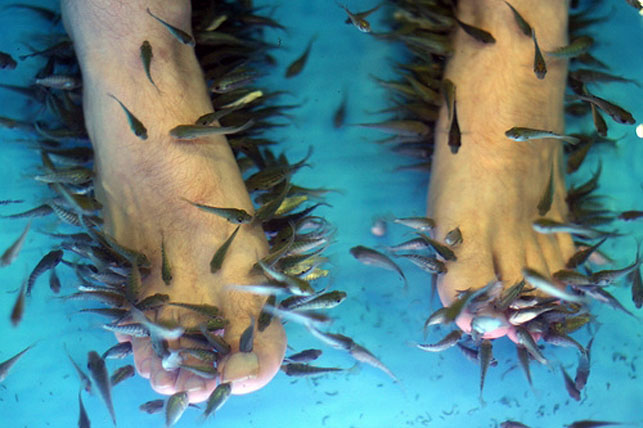
This is not evidence that every Mallorca beach is dangerous. The reports concern a cluster of local incidents at two beaches, and the fish involved have not been officially identified. However, travellers should know how to avoid a bite and how to treat a wound exposed to seawater.
Which Mallorca Beaches Have Reported Biting Fish?
The latest fish-bite reports involve Illetes Beach and Cala Comtessa, both located near Palma.
| What travellers need to know | Confirmed information |
|---|---|
| Affected area | Illetes and Cala Comtessa |
| Municipality | Calvià, southwest Mallorca |
| Where bites occurred | Shallow water close to shore |
| Reported injuries | Nips to feet and legs, with some broken skin and bleeding |
| Fish species | Not officially confirmed |
| Island-wide danger | Not established by the current reports |
Illetes is a family-oriented beach approximately nine kilometres from Palma, while Cala Comtessa is a small, 100-metre cove with clear water, rocky sections and seagrass beds. Both normally attract swimmers, families and snorkellers.
What Fish Are Biting Swimmers in Mallorca?
The species responsible for the latest bites remains unconfirmed, despite claims that a particular type of seabream is responsible.
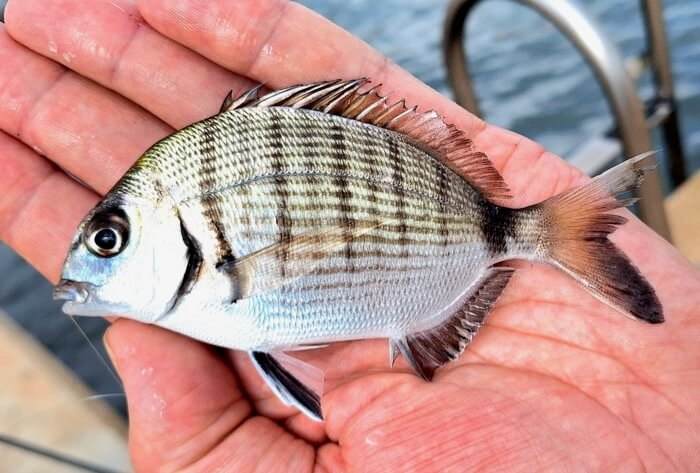
Earlier Mallorca incidents have been linked by marine experts to young saddled seabream and white seabream, which may approach swimmers while searching for food. Juvenile fish can be small and nearly transparent, making them difficult to notice before they reach a swimmer’s legs.
However, travellers should be cautious with headlines naming a specific species. No published identification has confirmed which fish caused the August 2026 incidents at Illetes and Cala Comtessa.
The fish were reportedly small, so these incidents should not be confused with a shark attack or the presence of a large predatory animal.
Why Are Small Fish Biting People in Mallorca?
The fish appear to be interested in dead skin, scabs and small wounds rather than deliberately hunting swimmers.
A marine biologist interviewed about earlier Mallorca cases said young fish may nibble hardened skin on feet or dried skin around existing cuts. Warmer summer water and reduced food availability have been suggested as possible reasons for more frequent encounters.
That explanation remains a working theory, not a proven scientific conclusion. The marine expert acknowledged that no dedicated study had established a direct link between warmer seas and fish biting humans.
Also read – US Embassy Warns to Avoid Bahamas Jet Ski Rentals
What a Fish Bite May Feel Like
Reported experiences generally follow a recognisable pattern:
- A light tapping or tickling sensation around the feet
- Several fish returning to the same area
- A sudden sharper nip
- A small cut, red mark or spot of blood
The important moment is when the sensation changes from harmless nibbling to repeated or painful contact. Leave the water rather than waiting to see whether the fish stop.
Are Mallorca’s Biting Fish Dangerous?
Most bites from small fish are likely to be superficial, but any broken skin exposed to seawater can become infected.
The main concern is not venom. It is the combination of a fresh wound, seawater bacteria, sand and continued swimming. The US Centers for Disease Control and Prevention advises keeping open wounds away from coastal water where possible and washing exposed cuts thoroughly with soap and clean running water.
Risk requires extra attention when the traveller:
- Has diabetes, liver disease or a weakened immune system
- Already has an open cut, blister or cracked skin
- Suffers a deep bite
- Cannot stop the bleeding
- Develops increasing redness, swelling or pain
How Can Travellers Avoid Fish Bites in Mallorca?
Do not enter the sea with uncovered cuts, bleeding scratches or loose scabs.
Use these practical precautions at Illetes, Cala Comtessa and other Mallorca beaches:
- Cover minor cuts with a waterproof dressing before approaching the water.
- Stay out of the sea when a wound cannot be completely covered.
- Do not feed fish or drop food into shallow water.
- Move away immediately when fish repeatedly gather around your feet.
- Avoid kicking or splashing in panic, particularly in crowded shallows.
- Keep young children within arm’s reach, as an unexpected nip may make them fall or inhale water.
- Follow beach flags and lifeguard instructions. A red flag means swimmers must not enter the water.
Water shoes may protect the soles and toes, but they do not protect exposed ankles and lower legs. They should not create a false sense of security.
What Should You Do After a Fish Bite in Mallorca?
Leave the water, clean the wound and do not continue swimming with broken skin.
Follow These Fish-Bite First-Aid Steps
- Walk out of the water calmly. Avoid running over wet rocks or crowded sand.
- Stop the bleeding. Press a clean cloth or sterile dressing firmly against the wound.
- Wash it with soap and clean fresh water. Do not rely on seawater to clean a bite.
- Dry and cover the wound. Use a clean, waterproof dressing.
- Tell the lifeguard. In Spanish, a lifeguard is a socorrista. Reporting the location helps staff warn other swimmers.
- Photograph the injury. A clear image can help a clinician assess whether redness or swelling is increasing later.
- Do not return to the sea that day if the skin remains open.
The NHS advises obtaining urgent medical help when a bite is deep, bleeding cannot be controlled, the area becomes hot or swollen, fluid leaks from the wound, or the person develops a fever. Travellers should also ask about tetanus protection when their vaccination status is uncertain or their last dose was more than ten years ago.
When Does a Fish Bite Need Medical Treatment?
Seek medical attention promptly when the wound is more than a minor surface mark.
Watch for:
- Redness spreading beyond the bite
- Increasing swelling or warmth
- Pain becoming worse rather than better
- Pus or an unpleasant smell
- Fever, chills or unusual tiredness
- Red streaks extending from the wound
- Numbness or difficulty moving the foot or leg
Call 112 for a serious emergency in Spain. For a smaller injury, ask the beach lifeguard for the nearest health centre or pharmacy.
Should Travellers Avoid Mallorca Beaches?
No general beach avoidance is currently justified by these local reports.
The more measured response is to remain alert at Illetes and Cala Comtessa, inspect existing cuts before swimming and leave the sea when fish repeatedly approach. Travellers should also check flags and speak to the lifeguard because conditions can change during the day.
The most useful rule is simple: a harmless nibble becomes a health issue once the skin breaks. Clean the wound immediately and keep it out of seawater.

