New York residents planning international trips should check their entire flight route—not only their final destination—after the U.S. State Department issued a new worldwide caution on July 20, 2026.

The federal notice warns that heightened tensions in the Middle East could lead to flight cancellations, temporary airspace closures and sudden travel disruptions. Americans outside the region are being advised to reconsider travel to or through the Middle East.
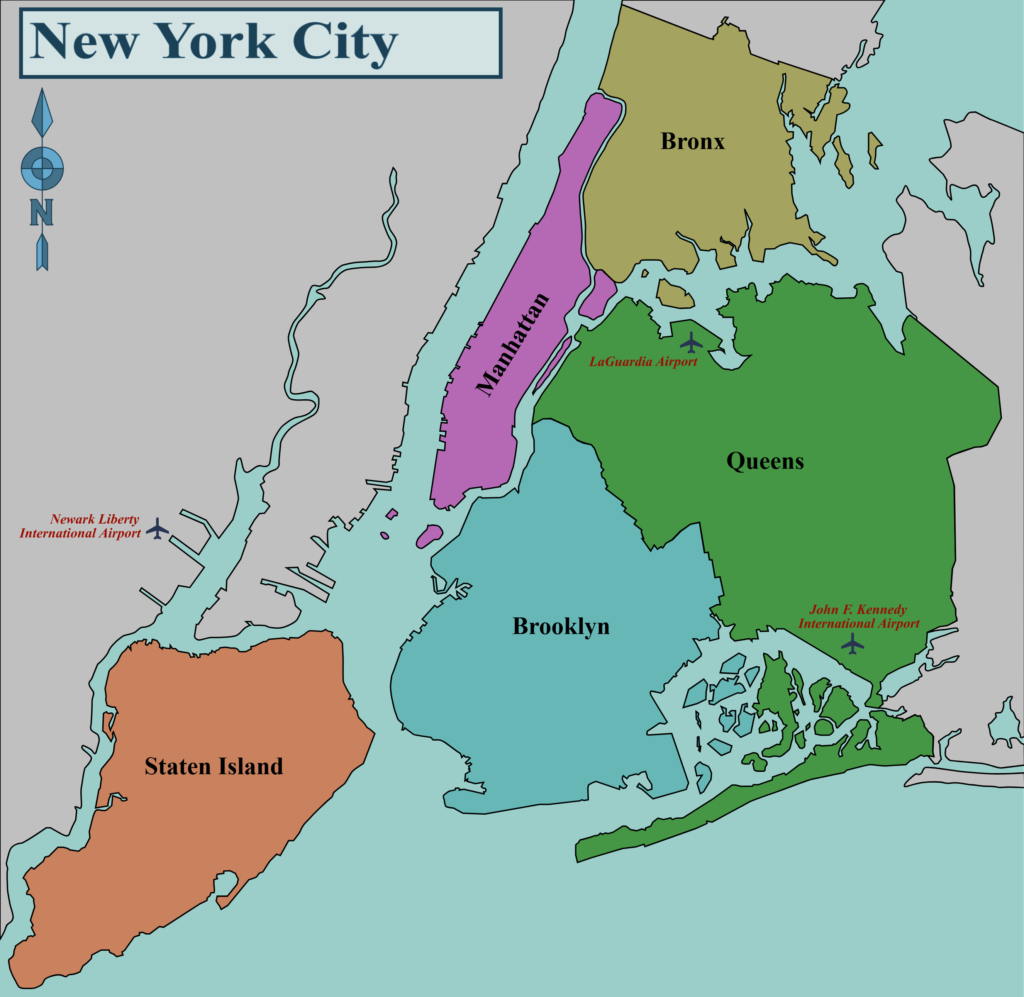
The warning does not close JFK, LaGuardia, Newark Liberty or any other New York airport. It also does not prohibit all overseas travel. For New Yorkers, the immediate concern is whether a flight lands in, departs from or connects through an affected region.
What Does the Worldwide Caution Mean for New York Residents?
The worldwide caution means New Yorkers should reassess the route, connection and flexibility of an upcoming international trip.
The official State Department notice says the security environment remains unpredictable, with the possibility of further escalation. Travelers currently in the Middle East should remain vigilant and prepare for commercial aviation disruptions.
New York residents should pay particular attention when their itinerary includes:
- A destination in the Middle East
- A connecting airport in the region
- Two separately purchased flight tickets
- A long layover requiring entry into the connecting country
- A return route different from the outbound route
- A flight operated by a different airline from the one shown on the booking
The connection is often the overlooked risk. A New Yorker traveling to India, Southeast Asia, Africa or Australia may not think of the trip as Middle East travel, but the itinerary may pass through a regional aviation hub.
Also read – Tripadvisor’s Most Popular Summer Destinations for 2026
Is the New Travel Warning a Travel Ban?
No. The July 20 worldwide caution is not a travel ban and does not tell every New Yorker to cancel an international vacation.
The State Department maintains separate destination advisories using four risk levels:
| Advisory level | Meaning for travelers |
|---|---|
| Level 1 | Exercise normal precautions |
| Level 2 | Exercise increased caution |
| Level 3 | Reconsider travel |
| Level 4 | Do not travel |
New York travelers should check the current advisory for each country, including any country used for a flight connection. The worldwide notice provides broader security guidance, while the country page explains the risks, restrictions and emergency contacts for a specific destination.
Will Flights From JFK, Newark or LaGuardia Be Canceled?
The federal warning does not announce a shutdown of New York airports, but individual international flights may be changed or canceled if airlines cannot safely use affected airspace.
Passengers departing from JFK or Newark Liberty should check the operating airline’s app before leaving home. Travelers beginning at LaGuardia, Albany, Buffalo, Rochester, Syracuse, Westchester or Stewart should also examine the international portion of a connecting itinerary.
A practical example shows why this matters:
A Buffalo resident may fly first to New York City and then continue overseas through a Middle Eastern hub. The Buffalo-to-New York flight could operate normally while the later international segment is delayed, rerouted or canceled.
The State Department specifically warns travelers to prepare for possible cancellations, periodic airspace closures and other disruptions.
Also read – Top 10 Best Regional Airports in North America (2026 …
Which New York Travelers Face the Highest Risk of Disruption?
New Yorkers traveling to or through the Middle East face the clearest immediate risk, but other passengers can also be affected by aircraft and crew changes.
| New York itinerary | What the traveler should check |
| JFK or Newark to a Middle Eastern destination | Destination advisory, airline waiver and return flight |
| New York to Asia through a Middle Eastern hub | Transit-country advisory and alternative connection |
| Upstate airport to JFK before an overseas flight | Minimum connection time and rebooking protection |
| LaGuardia to another U.S. international gateway | Status of the second and third flight segments |
| Two airlines booked separately | Whether a missed connection is protected |
| Cruise beginning overseas | Airline changes and cruise embarkation deadline |
The separate-ticket problem
Two separately booked tickets can leave a passenger financially exposed.
Suppose a Hudson Valley traveler purchases one ticket from New York to Europe and another ticket from Europe to a final destination. If the first flight is delayed, the second airline may treat the traveler as a no-show because the reservations are not connected.
Before departure, check whether the itinerary appears under one ticket number and whether the airline will transfer checked bags through to the final destination.
What Should New Yorkers Do Before Going to the Airport?
Complete these checks before leaving for JFK, Newark, LaGuardia or an upstate airport.
1. Check every country on the itinerary
Review the destination, transit country and any overnight stop on the State Department travel website. Country pages include advisory levels, entry rules, local laws and U.S. embassy information.
2. Find the operating airline
Your confirmation may show one airline’s name even though another carrier operates the aircraft.
Look for:
- Operated by
- Codeshare flight details
- Terminal information
- Separate confirmation numbers
The operating airline normally provides the most useful real-time cancellation and gate information.
3. Enroll in STEP
Use the free Smart Traveler Enrollment Program to receive security messages from the nearest U.S. embassy or consulate.
STEP can also help embassy officials contact a traveler or the traveler’s emergency contact during a crisis. The State Department specifically recommends enrollment in its current worldwide caution.
4. Prepare an alternative connection
Save one possible route that avoids the affected region. Record the flight number, departure time and available seats.
This small step can make an airline conversation faster because the passenger can request a specific alternative rather than simply asking, “What else is available?”
5. Review travel insurance exclusions
The State Department advises travelers to examine whether a policy covers emergency medical care, transportation back to the United States, lodging expenses and other trip costs.
Read the exclusions carefully. Some policies restrict coverage related to armed conflict, government warnings, civil unrest or a traveler’s voluntary decision to cancel.
What Should Hudson Valley Travelers Know About Reaching JFK?
Hudson Valley residents should allow additional ground-travel time because international flight concerns may overlap with ongoing construction around JFK.
The Port Authority says the airport’s $19 billion redevelopment is causing roadway detours and possible congestion. It recommends using mass transit where practical and provides a free drop-off and pickup option at the Lefferts Boulevard AirTrain station.
For travelers driving from Dutchess, Orange, Putnam, Sullivan or Ulster counties, a sensible plan is to:
- Check traffic before crossing into New York City.
- Confirm the terminal before leaving home.
- Add time for airport roadway changes.
- Avoid dropping passengers at the wrong terminal.
- Recheck the flight before paying for parking.
Do not arrive excessively early without checking the airline first. A canceled international flight will not be fixed by reaching the terminal six hours ahead of schedule.
What Happens If an Airline Cancels the Flight?
Passengers are generally entitled to a refund when an airline cancels a flight and the passenger rejects the alternative offered.
The refund should cover the unused transportation and eligible fees. A traveler who accepts a replacement flight normally cannot also demand a refund for the original disrupted itinerary. The U.S. Department of Transportation refund guide explains the applicable passenger protections.
When a cancellation occurs:
- Open the airline app immediately.
- Join the customer-service line at the same time.
- Ask whether another route avoids the affected airspace.
- Request written confirmation of the cancellation.
- Save hotel, meal and transportation receipts.
- Do not accept a voucher before checking whether a cash refund is available.
- Contact the travel insurer before buying an expensive replacement ticket.
Most airlines will attempt to place canceled passengers on the next available flight, although available seats may be limited during widespread disruption.
What Should New Yorkers Pack in Their Carry-On?
Pack enough essential items to manage at least one unexpected overnight delay.
Keep these items out of checked baggage:
- Passport and required visas
- Prescription medication
- Phone charger and power bank
- One change of clothing
- Basic toiletries
- Insurance policy details
- Copies of reservations
- Emergency contacts
- A payment card that works internationally
A useful habit is to save passport copies and insurance information in two places: one secure digital location and one printed copy stored separately from the original passport.
What Should New York Travelers Avoid Doing?
Do not cancel a trip based only on a headline saying “worldwide warning.”
Avoid these common errors:
- Checking only the final destination
- Ignoring the return itinerary
- Assuming Newark is unaffected because it is in New Jersey
- Relying on social media screenshots of old advisories
- Booking a new flight before speaking with the original airline
- Packing medication in checked luggage
- Accepting an airline credit without understanding the refund choice
- Traveling without emergency funds or a backup payment method
The correct decision depends on the specific country, airport connection, airline and reason for traveling.
Is International Travel Safe for New York Residents Right Now?
International travel remains possible, but New Yorkers should judge each itinerary individually.
A direct flight to a lower-risk destination is not equivalent to a journey that enters or crosses airspace affected by regional conflict. The most reliable approach is to complete three checks:
- Check the destination.
- Check every connection.
- Check the operating airline.
The July 20 warning is a call for better preparation—not automatic panic. New York residents who confirm their route, enroll in STEP and maintain a realistic backup plan will be better positioned to respond if conditions change.

