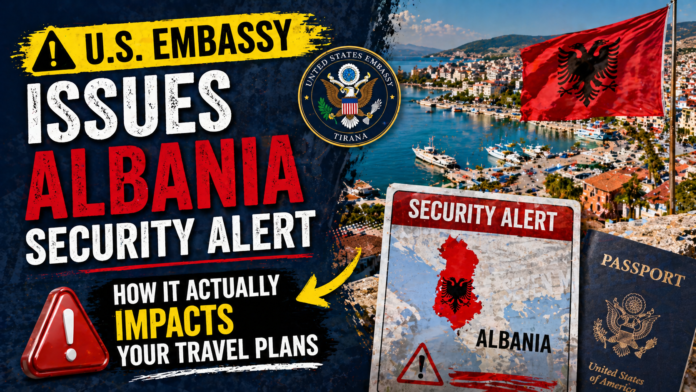
The recent Albania travel security alert issued by the U.S. government stems from potential threats by Iran-linked groups against American entities and opposition figures within the country. You might be staring at your newly booked flights to Tirana, wondering if you need to hit the cancel button right now. The reality on the ground is far more nuanced than a simple headline suggests.
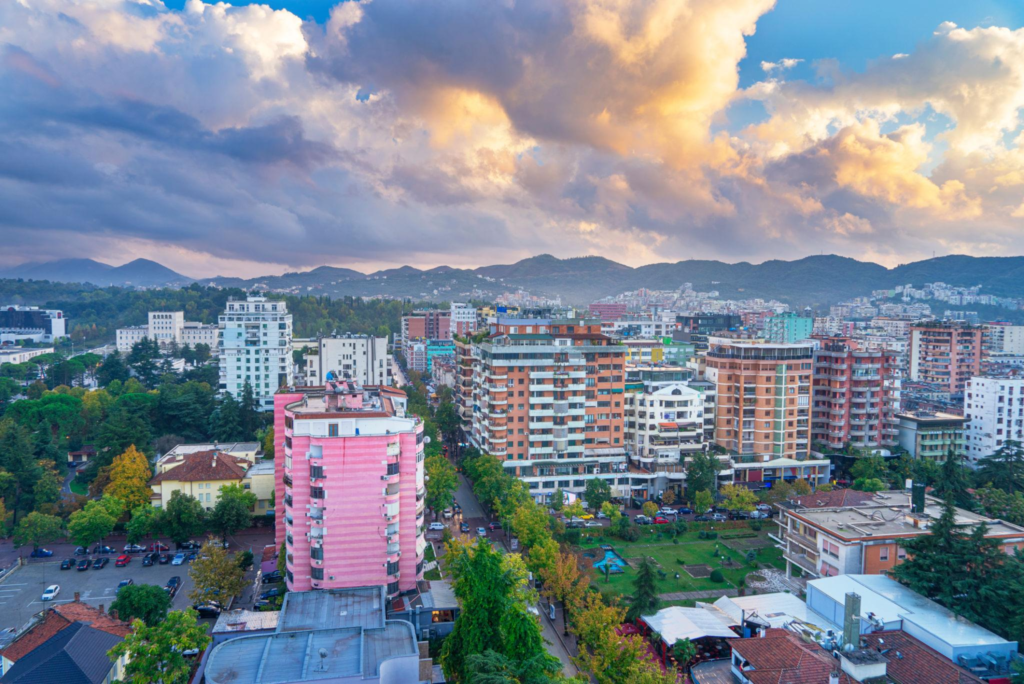
When you plan a long-awaited vacation to the Balkan coast, the last thing you want is diplomatic tension disrupting your peace of mind. We are seeing a massive shift in how travelers assess risk in emerging hotspots. Understanding what does the Albania security alert mean is your best tool for making an informed choice.
Understanding the April 2026 U.S. Embassy in Albania Warning
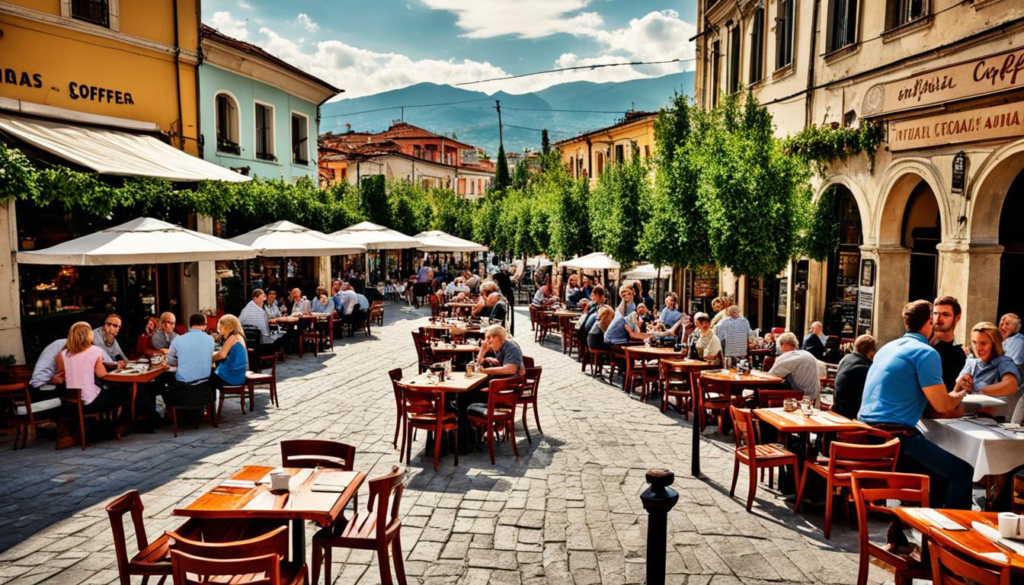
The U.S. Embassy in Albania recently confirmed that public areas could be at risk during this heightened period of global tension. This includes popular Albanian tourist sites, shopping malls, hotels, restaurants, and clubs. The warning specifically highlights the Iran threat in Albania, advising American citizens to exercise increased vigilance.
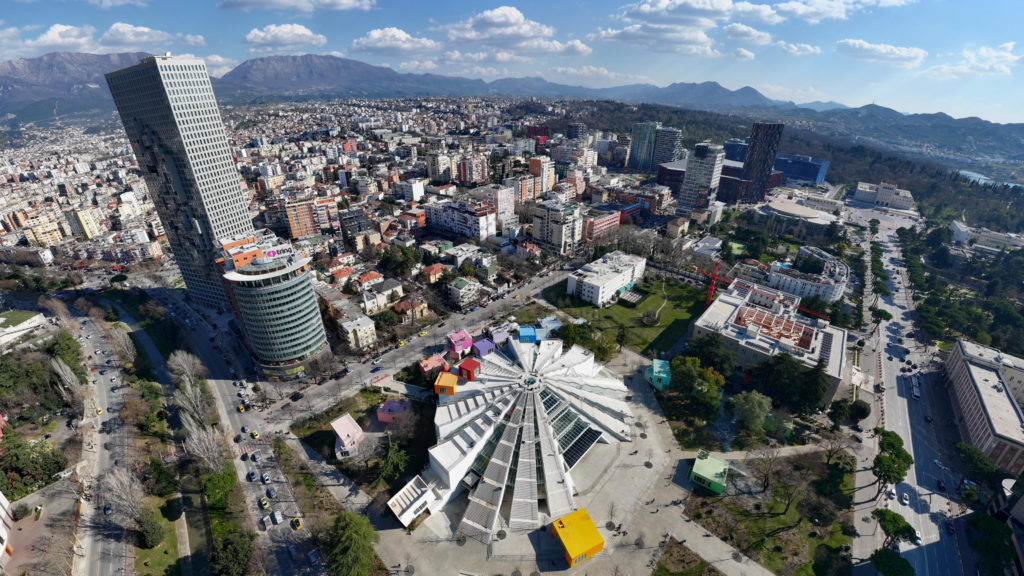
For anyone traveling to Albania, this sounds alarming at first glance. However, local security institutions in Tirana remain on high alert with all defense mechanisms fully active. Albanian President Bajram Begaj and international partners are coordinating daily to neutralize potential risks.
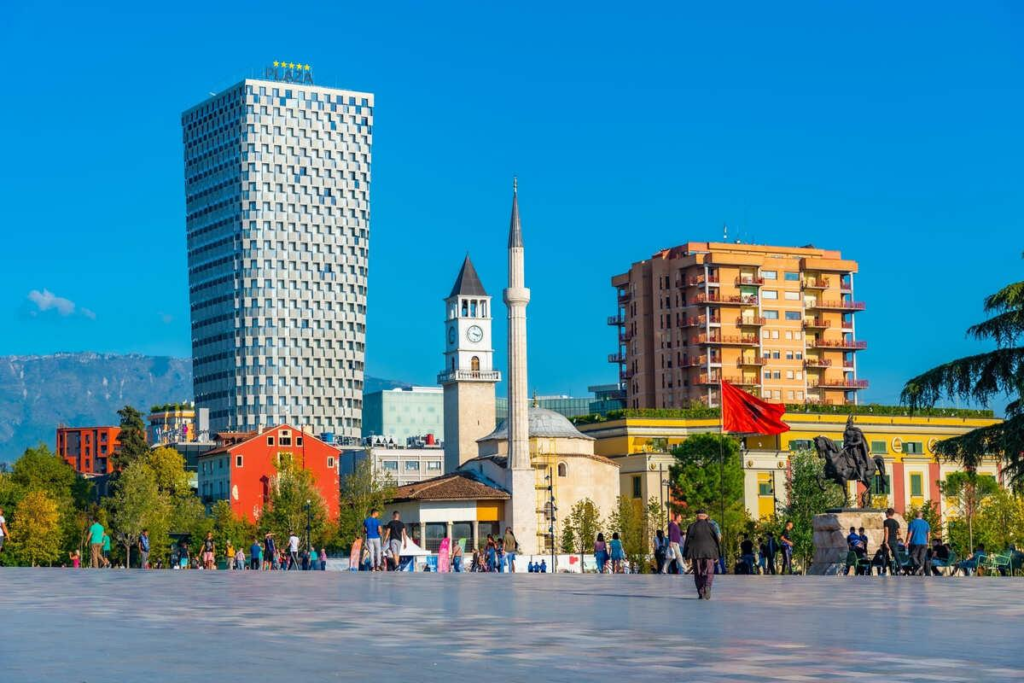
The Real Risk: Is Albania Safe for US Tourists Right Now?
If you want to know is Albania safe for US tourists, the data points toward yes for general travel. The core issue driving this Albania travel security alert is highly targeted political friction rather than random violence. Everyday street crime remains remarkably low compared to major Western European capitals.
Did You Know?
Albania has hosted members of the Iranian opposition group MEK for years. This unique diplomatic arrangement is the primary reason why did the US issue an alert for Albania this spring.
Also read – Is Galway Tourist Tax Worth It? (Everything to Know)
When discussing safety in Albania, context is everything. The alert does not prohibit travel or mandate an evacuation. It simply upgrades the situational awareness required when visiting heavily populated Albanian tourist sites.
Practical Steps for Traveling to Albania Safely
You do not need to hire private security to enjoy your trip. You just need to adapt your daily routines slightly. How to stay safe in Tirana involves the same common-sense practices you would use in London or Paris.
Here are the immediate steps to take:
- Enroll your trip in the Smart Traveler Enrollment Program (STEP) to receive real-time updates.
- Keep a low profile and avoid drawing unnecessary attention to your American nationality in crowded venues.
- Monitor local media channels for sudden closures of major public squares.
- Keep your phone fully charged and save the emergency contact number for the U.S. Embassy in Albania.
Quick Tip
If you notice unattended packages or highly unusual behavior at popular Albanian tourist sites, leave the immediate area first and then report it to local authorities. Never stick around to investigate yourself.
Comparing the Risks: What the Data Shows
Understanding the context of US State Department alerts helps calm travel anxiety. These warnings are categorized by strict protocols. The current situation requires vigilance but does not fall under the strict “Do Not Travel” designation.
| Alert Type | Current Status in Albania | Typical Traveler Action |
| General Crime | Low Risk | Standard precautions for pickpockets |
| Political Unrest | Low to Moderate Risk | Avoid large political gatherings |
| Targeted Threats | Elevated Risk (April 2026) | Increased vigilance in public venues |
Those heading to the coastal Riviera often ask if Albania tourist spots targeted include remote beaches. The advisory focuses heavily on urban centers and major public venues where diplomats gather. Coastal towns and isolated mountain retreats currently face significantly lower threat profiles.
When evaluating your daily activities, keep these three factors in mind:
- The location of your accommodation relative to foreign embassies.
- The proximity of your chosen restaurants to major government buildings.
- The availability of clear exit routes in large enclosed entertainment venues.
Did You Know?
The U.S. State Department reviews its standard safety levels every 12 months. However, specific and time-sensitive warnings like this Albania travel security alert are issued instantly when intelligence detects immediate shifts.
How to Modify Your Itinerary
Many travelers assume they must cancel their entire vacation when a warning drops. Instead, a slight pivot in your daily schedule often eliminates the majority of your exposure to these identified risks. Spending your afternoons exploring the lesser-known historical ruins outside the city limits keeps you safely away from the targeted urban zones.
Follow this sequence to adapt your plans effectively:
- Review your current hotel bookings and confirm they have visible security protocols in place.
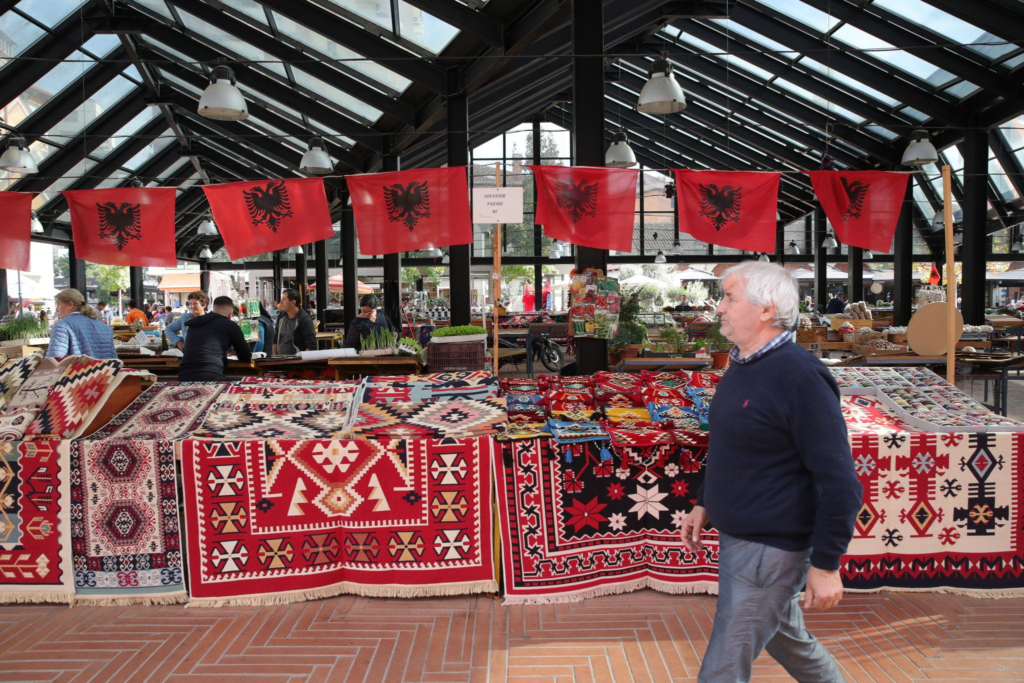
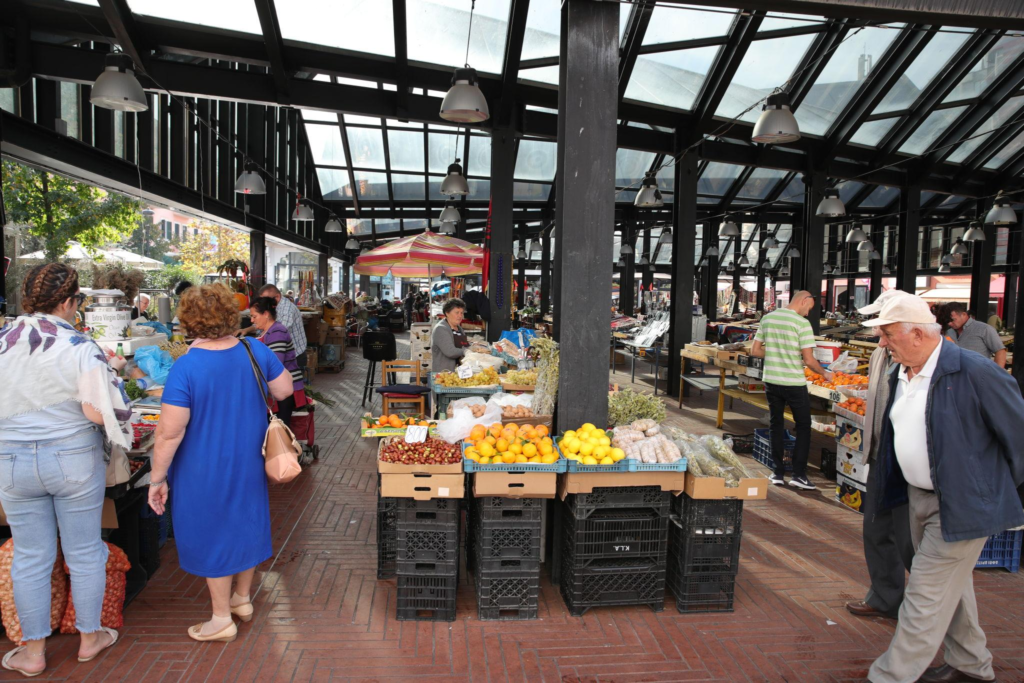
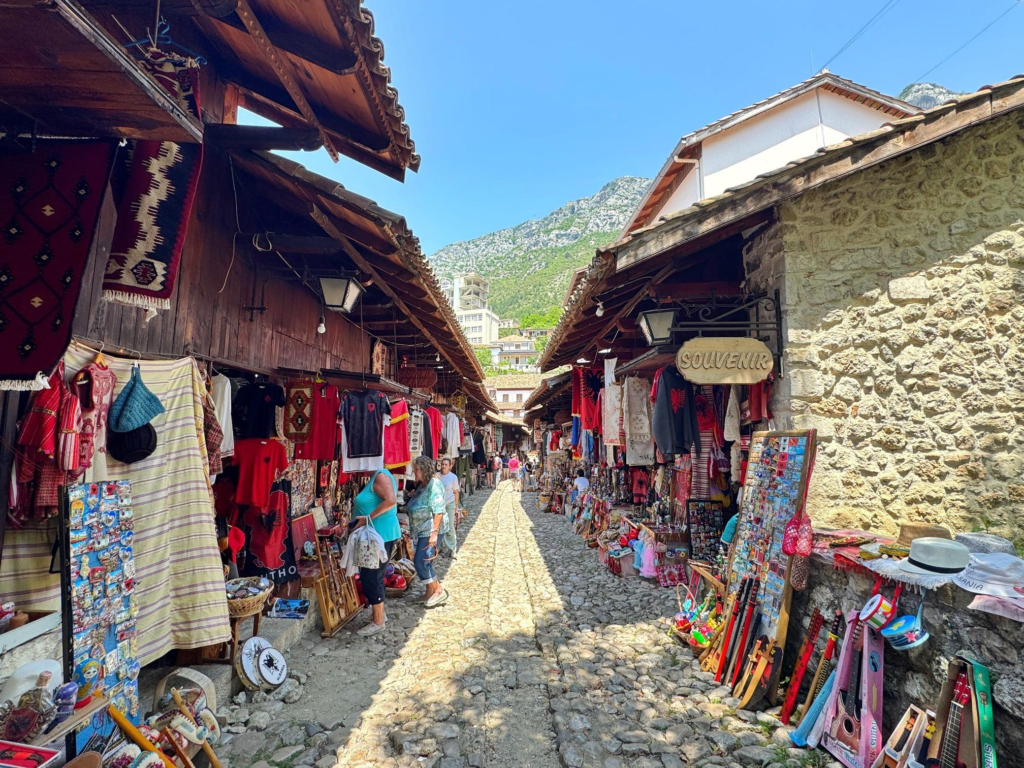
- Swap out visits to massive indoor shopping malls for open-air markets or nature excursions.
- Spend less time lingering in high-profile international hotels or clubs known to attract foreign diplomats.
- Keep physical copies of your passport and visa separate from your digital backups.
Quick Tip
Check the official website of the U.S. Embassy in Albania every 48 hours during your stay. Situations evolve quickly, and they provide the most accurate unfiltered local intelligence.
Key Takeaways
- The April 2026 Albania travel security alert highlights potential risks from Iran-linked groups against U.S. interests.
- General safety in Albania for standard tourists remains high with low instances of violent street crime.
- Travelers should exercise increased vigilance at major Albanian tourist sites, hotels, and shopping centers.
- Local authorities are operating on high alert to neutralize any threats before they materialize.
- Enrolling in the STEP program is the most effective way to receive instant US State Department alerts.
- Shifting your itinerary toward coastal or rural areas can lower your exposure to dense urban risks.
Frequently Asked Questions
What does the Albania security alert mean for my upcoming trip?
The alert means you should practice heightened situational awareness in crowded public spaces. It is a precautionary warning based on intelligence regarding political tensions, not an absolute travel ban.
Is Albania safe for US tourists to visit this summer?
Yes, general safety remains high for tourists. The specific threats identified by intelligence agencies are highly targeted toward political entities rather than average vacationers.
Why did the US issue an alert for Albania specifically?
The alert was triggered by intelligence indicating that groups associated with Iran may target entities linked to the U.S. or Iranian opposition elements currently residing within the country.
How to stay safe in Tirana during this heightened alert period?
Avoid massive crowds, stay clear of political demonstrations, and report any suspicious activity to local authorities. Keeping a low profile in international hotels and clubs is highly recommended.
Does the Iran threat in Albania affect coastal resort towns?
The primary focus of the warning is on major public venues and urban centers where foreign entities congregate. Remote coastal towns currently show a much lower risk profile.
Where can I find the most reliable US State Department alerts?
You should regularly check the official travel.state.gov website. Enrolling in the STEP program ensures these updates are sent directly to your phone or email.
Are specific Albania tourist spots targeted by these threats?
No specific tourist spot has been named as a direct target. The warning broadly covers common venues like shopping malls, large hotels, and popular cultural sites where crowds gather.

