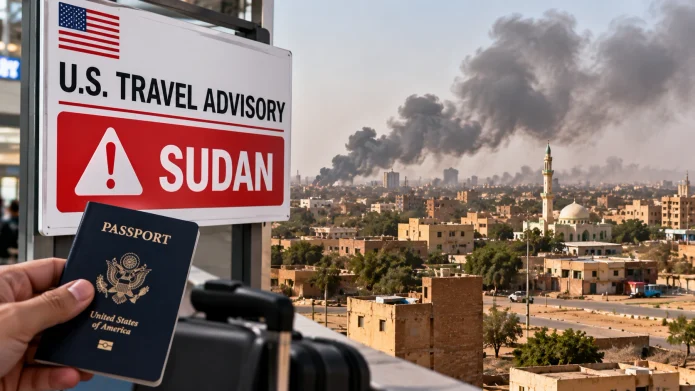
The United States and dozens of allied nations officially issued a joint ministerial statement in late October 2026 warning of an imminent famine across Sudan. Government officials and humanitarian agencies are urging immediate global intervention as the country faces the world’s largest hunger and displacement crisis. Without rapid funding and secure aid corridors, millions of Sudanese civilians face extreme starvation before the end of the year.
Why the US and Allied Nations Are Warning About Famine in Sudan
The international community issued this severe warning because ongoing military conflict and blocked humanitarian access have pushed local food systems to the brink of total collapse. The Directorate-General for European Civil Protection and Humanitarian Aid Operations (ECHO) released a joint statement alongside the US, Canada, Australia, and multiple European member states demanding urgent action. These nations explicitly called on all warring factions to stop attacking civilian infrastructure and agricultural hubs.
This massive political pressure stems directly from the rapid deterioration of security across the region. With over 14 million people internally displaced and 20 million facing acute hunger, the global alliance is demanding secure civil-military coordination to protect humanitarian workers. International leaders warn that any further delays in delivering life-saving supplies will trigger mass casualties across all 18 Sudanese states.
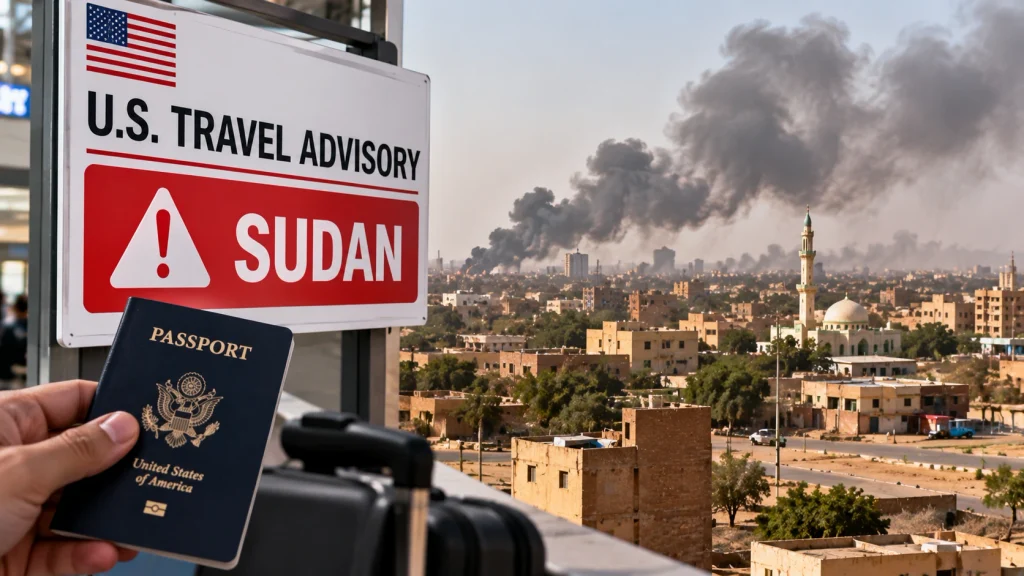
How El Niño and the Ongoing Conflict Are Destroying Crop Harvests
Sudan is currently battling a devastating combination of relentless armed conflict and an extreme El Niño-driven drought that has completely decimated the agricultural sector. The country recorded its lowest rainfall levels in decades during the critical 2026 rainy season, leaving local farmers with shriveled crops and dying livestock. When rural harvests fail, millions of displaced families lose their only remaining source of basic, independent nutrition.
Adding to the natural disaster, active combat zones prevent farmers from safely reaching their fields or transporting their goods to local markets. Drone strikes continue to destroy essential infrastructure, including food transport trucks and vital petrol stations. This intentional destruction of the local food supply chain forces local communities to rely entirely on international food shipments that currently struggle to cross the borders safely.
Also read – Passenger Doctor Saves Unconscious Singapore Airlines Crew Member …
The Alarming Drop in Humanitarian Food Aid Reaching Sudan
The World Food Programme (WFP) confirmed a massive and dangerous decline in the number of people receiving emergency food assistance due to severe global underfunding. In September 2026, the agency only managed to reach 3.1 million civilians, a sharp drop from the 4.1 million individuals assisted just one month prior in August. The WFP currently operates with only a fraction of the financial resources it had last year, forcing operators to scale back critical relief missions.
Severe economic instability inside Sudan further cripples the ability of charities to distribute food effectively to those in need. The Sudanese Pound depreciated sharply to 7,500 SDG per US dollar in recent months, destroying the purchasing power of average households. This extreme inflation forces humanitarian organizations to constantly renegotiate transport and supplier contracts, which directly delays the physical delivery of food into famine-risk zones.
Who is Legally Responsible for the Civilian Food Blockades?
The U.S. Department of State and allied governments publicly hold the primary warring factions responsible for the intentional starvation of civilians. Washington officially accused the Rapid Support Forces (RSF) of committing genocide and accused the Sudanese Armed Forces of carrying out widespread war crimes. Both military entities have repeatedly denied these severe allegations, but international observers continue to document continuous strikes on aid operations.
The United Nations continues to report that armed groups frequently loot humanitarian warehouses and establish illegal roadblocks that prevent food trucks from reaching vulnerable populations. International law strictly prohibits the use of starvation as a weapon of war. Consequently, allied nations are now demanding unhindered, safe access across all conflict lines to prevent a man-made famine from becoming completely irreversible.
Essential Steps Required to Prevent Total Famine in Sudan
Halting the progression of starvation requires immediate logistical and financial commitments from the global community. The United States Agency for International Development (USAID) and global partners emphasize that food deliveries cannot wait for a permanent political ceasefire.
The international coalition highlighted these specific emergency interventions to save lives today:
- Establish immediate safe corridors: Warring parties must guarantee unhindered access for all humanitarian convoys crossing conflict lines.
- Halt infrastructure attacks: Armed factions must immediately cease all drone and artillery strikes targeting farms, water plants, and food storage facilities.
- Increase global funding: Donor nations must quickly fill the massive financial gap to prevent the WFP from cutting millions more from their monthly distribution lists.
- Stabilize emergency nutrition: Relief agencies must prioritize delivering specialized therapeutic food to the 825,000 children currently facing Severe Acute Malnutrition.
Summary of Sudan’s October 2026 Humanitarian Crisis Data
Understanding the raw numbers demonstrates exactly why the international community issued this unprecedented famine warning.
| Humanitarian Metric | Official October 2026 Data | Impact on Civilian Population |
| People Facing Acute Hunger | 20 Million | Represents nearly half the total population. |
| Total Displaced Persons | 14 Million | The largest internal displacement crisis globally. |
| Populations at Risk of Famine | 880,000 | Located in zones where starvation is imminent. |
| Children with Severe Malnutrition | 825,000 | Requires immediate clinical nutrition intervention. |

