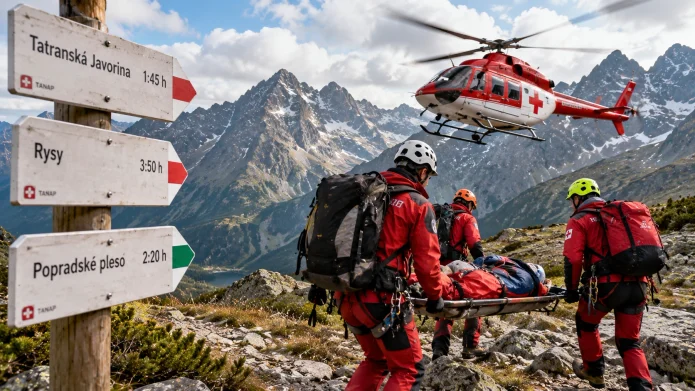
The Slovak Mountain Rescue Service (HZS) legally bills tourists for the full cost of search and rescue operations in the mountains, regardless of whether a physical injury occurred. A simple helicopter airlift from the High Tatras costs thousands of euros, and standard travel insurance completely rejects these claims. You must purchase a dedicated mountain rescue insurance policy before stepping onto any Slovak alpine trail to avoid massive financial debt.
Financial Costs of a Slovak Mountain Rescue Service Call
Search and rescue missions in the Slovak mountains run anywhere from €500 for a basic ground assist to over €10,000 for a specialized helicopter extraction. The Slovak government mandates that all individuals pay for their own rescue operations in mountainous terrain, including the High Tatras, Low Tatras, and Slovak Paradise National Park. The standard European Health Insurance Card (EHIC) does not cover mountain search and rescue expenses for EU citizens.
You receive an itemized bill directly from the HZS after the rescue concludes. If you get lost on a trail and require a search party, but suffer zero injuries, standard medical travel insurance will deny your claim because no medical treatment happened. Dedicated mountain insurance specifically covers the high costs of dispatching technical search teams, avalanche dogs, and extraction gear.
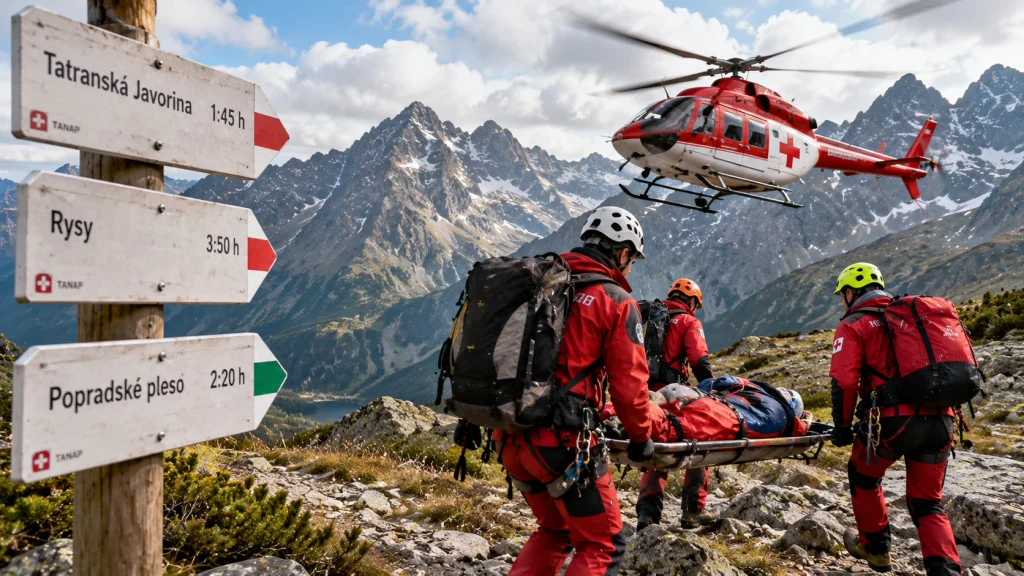
Why Regular Travel Medical Insurance Fails Hikers
Regular travel insurance only activates when a doctor formally admits you to a hospital for physical trauma or sudden severe illness. These basic policies contain hidden exclusion clauses for extreme sports, technical mountain climbing, and non-medical search operations. If you twist an ankle and simply cannot walk down the mountain, insurers classify the helicopter flight as a technical rescue, not a covered medical ambulance transfer.
The official Government of Canada Slovakia Travel Advice strongly urges visitors to verify that their policy explicitly includes emergency mountain rescue and helicopter evacuation. Read the fine print to ensure the policy covers the specific maximum altitude of your planned trek. Many budget insurers automatically cap coverage at 2,000 meters above sea level, rendering them useless on higher Slovak peaks like Gerlachovský štít.
Also read – 9 Incredible Surreal Places to Don’t Miss A Visit in Person
Mandatory Winter Trail Closures in the High Tatras
Slovak authorities completely shut down all high-altitude hiking trails in the Tatra National Park (TANAP) from November 1 through June 14 every year to protect wildlife and prevent avalanche fatalities. Walking on closed trails during this specific winter period is strictly illegal and invalidates all rescue insurance policies instantly.
Violators face on-the-spot financial fines from park rangers and bear full legal liability for any rescue costs incurred during an avalanche. Visitors can only access lower trails leading up to the high-mountain chalets (chata) during the winter lockdown. Always consult the official Mountain Rescue Service (HZS) warnings before departing to check daily trail statuses and avalanche risk levels.
Comparing European Vehicle Tolls to Mountain Insurance Preparations
Tourists organizing multi-country European road trips often obsess over vehicle logistics while completely ignoring personal physical safety requirements. For example, drivers heading south from Scandinavia expertly arrange their norway autopass toll roads rental car ferry payment epass24 accounts online, yet step onto dangerous Slovakian alpine routes without basic rescue coverage.
Driving across European borders requires meticulous planning for local toll vignettes, but surviving a remote mountain hike requires specialized financial protection. Prioritize buying a €2 daily Slovak mountain rescue policy from a local provider just as diligently as you pay European highway tolls. You can purchase these daily policies instantly via SMS, online portals, or at local tourist information centers. The Ministry of Foreign and European Affairs of the Slovak Republic advises all foreigners to secure this local coverage upon crossing the border.
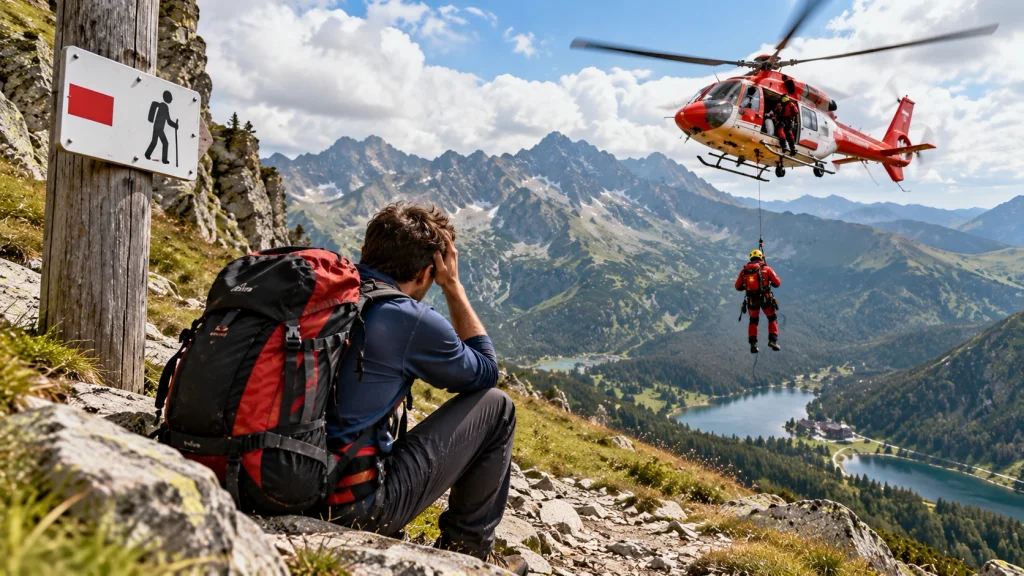
Step-by-Step Emergency Protocols for Lost Hikers in Slovakia
Dialing 18300 connects you directly to the Slovak Mountain Rescue Service dispatch center in an emergency. Never call the standard 112 European emergency number if you are trapped on a mountain, as this routes you to a general operator and drastically delays the dispatch of specialized alpine rescue teams.
- Download the HZS application: Install the official Mountain Rescue Service app on your smartphone, which automatically transmits your exact GPS coordinates when you press the emergency button.
- Stay exactly where you are: Do not attempt to walk downhill once you request a rescue. Search teams map their physical approach based on your initial distress signal location.
- Conserve mobile phone battery: Turn off cellular data and Bluetooth immediately. Keep the phone warm inside your inner jacket pocket to prevent the battery from dying in freezing temperatures.
Coverage Comparison for Slovak Mountain Rescues
| Emergency Scenario | Standard Travel Insurance | Dedicated Mountain Rescue Insurance |
| Lost on trail, no injuries | Denied (No medical necessity) | Fully Covered |
| Twisted ankle, requires helicopter | Denied (Considered technical rescue) | Fully Covered |
| Hospital treatment after rescue | Fully Covered | Covered (Depends on policy limits) |
| Caught in avalanche on closed trail | Denied (Illegal activity exclusion) | Denied (Illegal activity exclusion) |

