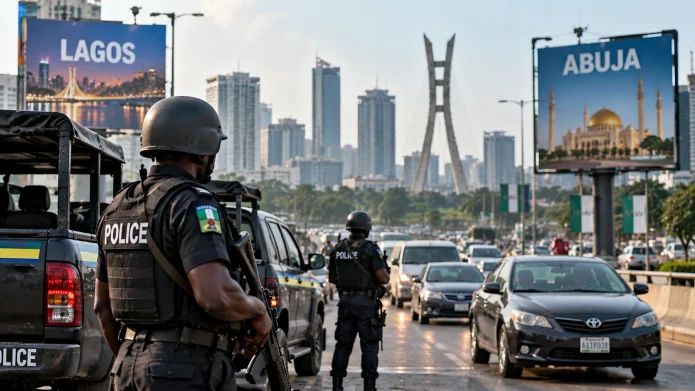
The U.S. State Department enforces a strict Level 3 Travel Advisory for Nigeria. This official alert orders tourists to reconsider travel due to violent crime, terrorism, and frequent kidnappings for ransom. While major hubs like Lagos and Abuja offer slightly more security than rural areas, the threat of armed abduction remains critically high even in wealthy city districts.

Why is the U.S. State Department Warning Tourists About Nigeria?
Ransom kidnappings directly drive the current State Department travel warning. Armed gangs actively target foreign nationals and dual citizens because they perceive them as wealthy. These criminal groups execute coordinated stops on interstate highways to rob and abduct victims straight from their vehicles.
Violent crime happens daily across the country. Carjackings, armed robberies, and assaults occur frequently, and local police often lack the resources to respond quickly or investigate properly. Terrorist organizations also plot attacks without warning at hotels, shopping malls, and transportation hubs.
Also read – Ten Most Inaccessible Places to Travel on This Earth
What Are the Exact Kidnapping Risks in Lagos and Abuja?
Foreigners face a high kidnapping threat in the wealthy neighborhoods of Lagos and the outer suburbs of Abuja. Criminals actively target popular tourist zones, expatriate communities, and major transit routes connecting the cities. Kidnappings frequently involve small armed groups that hold victims captive for days until families pay a massive ransom.
Scammers also use dating apps to lure unsuspecting tourists into dangerous situations. Criminals set up fake profiles, invite foreigners to secluded locations, and assault or kidnap them upon arrival. The official U.S. Department of State advisory strongly recommends using video calls to verify identities before meeting anyone in person.
Which Nigerian States Are Under a Strict Do Not Travel Ban?
The U.S. government completely forbids travel to specific regions in northern and southern Nigeria. These specific states carry a Level 4 “Do Not Travel” designation due to widespread terrorism, communal violence, and militant activity.
If you ignore these warnings, you risk being caught in unannounced military security operations. The U.S. government cannot provide emergency services to citizens outside the immediate surrounding areas of Abuja and Lagos.
| Region | Threat Level | Primary Safety Risks |
| Borno, Yobe, Kogi | Level 4: Do Not Travel | Terrorism, severe violent crime, kidnapping |
| Kaduna, Kano, Katsina | Level 4: Do Not Travel | Civil unrest, armed banditry, targeted kidnappings |
| Bayelsa, Delta, Rivers | Level 4: Do Not Travel | Militant attacks, armed gangs, maritime piracy |
| Abuja & Lagos | Level 3: Reconsider Travel | High crime rates, sporadic kidnappings, scams |
How Can Tourists Stay Safe in Lagos and Abuja?
You must arrange professional security and reliable transportation before your plane lands. Do not rely on street taxis, ridesharing apps, or public transit. Hire a private chauffeur from a reputable security company and lock your car doors immediately upon entry.
Keep a low profile and avoid showing signs of wealth. Leave expensive jewelry at home, secure your smartphone out of sight, and avoid carrying large amounts of cash. When withdrawing money, only use ATMs located inside secure bank branches or heavily guarded hotels.
- Avoid all night travel: Never drive outside major city centers after dark.
- Ignore strangers offering help: Criminals often pose as friendly locals or fake police officers to initiate contact.
- Stay away from protests: Political rallies frequently turn violent and attract heavy police suppression.
What to Do If You Experience a Medical Emergency in Nigeria?
Nigerian hospitals generally do not meet standard U.S. or European medical safety requirements. Standard emergency services like trained paramedics and reliable ambulances simply do not exist in many areas. Major hospitals demand immediate cash payments before treating patients, and they rarely accept foreign health insurance.
You must purchase comprehensive medical evacuation insurance before traveling to Nigeria. Bring a full supply of all necessary prescription medications, as local pharmacies often stock counterfeit drugs. If you suffer a severe injury, your only safe option is a medical flight to a more equipped country. Read the full medical guidance on the Smartraveller Nigeria Travel Advice page for detailed health requirements.

