The CDC has issued a Level 1 travel health notice for diphtheria in Haiti, telling travelers to check their vaccine status before visiting. This is not a “cancel every Caribbean trip” warning, but it is a serious health reminder for anyone with Haiti travel plans, family visits, aid work, or regional movement through the Caribbean.
The key message is simple: Haiti has a diphtheria outbreak, and vaccination is the main protection. Adults should confirm they had a Td or Tdap booster within the last 10 years, and travelers should speak with a healthcare provider at least one month before travel when possible.
Is There a Diphtheria Outbreak in Haiti Right Now?
Yes, Haiti is dealing with an active diphtheria outbreak. The CDC says there is an outbreak of diphtheria in Haiti and that vaccination is essential for protection. A separate outbreak update from TravelHealthPro’s Haiti page, using PAHO as its source, reported 1,616 suspected diphtheria cases between January 1 and May 26, 2026, including 159 confirmed cases and five confirmed deaths.
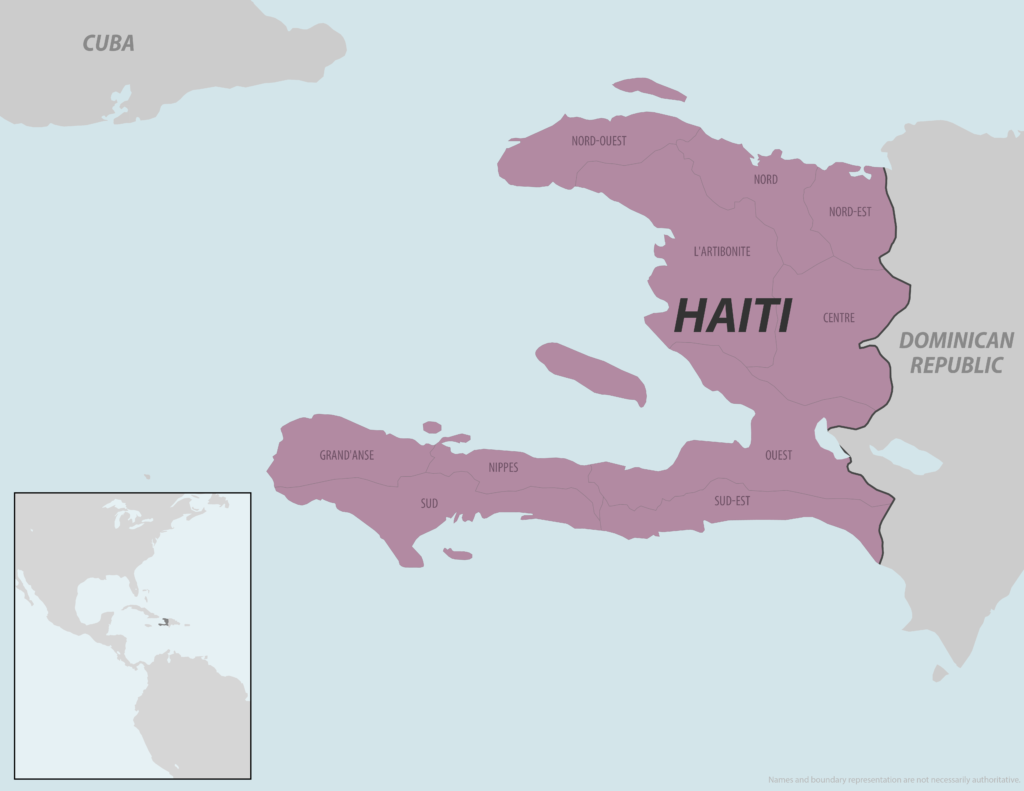
That number matters because confirmed cases were reported in all ten departments of Haiti, not just one isolated neighborhood. For travelers, that means the risk is not easy to separate by simply choosing one city, one hotel, or one short itinerary.
Also read – 31 FACTS TO KNOW ABOUT CARIBBEAN ISLANDS
What Does the CDC Level 1 Haiti Diphtheria Notice Mean?
CDC Level 1 means “Practice Usual Precautions,” but it does not mean “ignore it.” The CDC Haiti diphtheria notice tells travelers to make sure they are up to date with diphtheria vaccines, avoid people with symptoms, avoid touching wounds, wash hands often, and seek care quickly if symptoms appear during or after travel.
Here is the useful traveler translation:
| CDC Advice | What It Means in Real Life |
|---|---|
| Check diphtheria vaccination | Look for Td, Tdap, DTaP, or DTP in your vaccine record |
| Talk to a doctor before travel | Do this early, especially if you are doing aid work, visiting family, or staying outside major hotels |
| Avoid sick contacts | Do not share close indoor space with someone who has fever, sore throat, or breathing symptoms |
| Avoid touching wounds | Diphtheria can also involve skin sores, not just throat illness |
| Seek care fast | Call ahead before visiting a clinic and mention Haiti travel |
Haiti Also Has a Separate “Do Not Travel” Advisory
The CDC health notice is about diphtheria, but Haiti’s wider safety warning is much more serious. The U.S. State Department Haiti Travel Advisory currently lists Haiti as Level 4: Do Not Travel because of crime, terrorism, kidnapping, unrest, and limited health care.
This difference is important. A CDC Level 1 health notice can sound mild, but it does not cancel out the broader safety risks. If a traveler gets sick, injured, or trapped by unrest, access to medical care may be limited. The State Department also advises travelers to consider medical evacuation insurance because emergency medical care and evacuation can be difficult and expensive.
What Is Diphtheria?
Diphtheria is a serious bacterial illness that can affect the throat, nose, and skin. The CDC’s diphtheria overview explains that the disease is caused by toxin-producing strains of Corynebacterium diphtheriae. Respiratory diphtheria is the most serious type because it affects the upper respiratory tract.
The World Health Organization’s diphtheria fact sheet explains why this illness still gets urgent attention: diphtheria can produce a toxin that damages the respiratory tract and may also affect the heart and nerves. It is vaccine-preventable, but people who are unvaccinated or under-vaccinated remain at risk.
Also read – 11 Caribbean Islands Under $1500 for a Week in 2026
What Are the Diphtheria Symptoms Travelers Should Know?
Travelers should take fever plus throat symptoms seriously after Haiti travel. The CDC says symptoms of respiratory diphtheria can include fever, sore throat, difficulty swallowing, voice changes, and shortness of breath. A thick coating in the nose or throat can also occur in more serious cases.
Watch for these warning signs:
- Mild fever
- Sore throat
- Swollen glands in the neck
- Difficulty swallowing
- Voice change or hoarseness
- Shortness of breath
- Weakness
- A thick coating in the nose or throat
- Open sores or ulcers on the skin
A practical rule: if someone returns from Haiti and says, “It feels like a strange sore throat, but worse,” do not treat it like a normal cold. Call a healthcare facility first, mention Haiti travel, and ask what to do before walking in. That protects the patient, clinic staff, and other people in the waiting room.
Do Travelers Need a Tdap Booster Before Haiti Travel?
Adults should confirm they had a Td or Tdap booster within the last 10 years before traveling to Haiti. The CDC notice specifically tells adult travelers to make sure they are up to date, including a recent Td or Tdap booster. The CDC’s diphtheria vaccine guidance also says diphtheria vaccines are recommended for babies, children, teens, pregnant women, and adults.
Here is the simple way to check:
- Open your vaccine record in your health portal, pharmacy app, or old immunization card.
- Search for Td, Tdap, DTaP, DTP, or tetanus booster.
- Check the date. If it was more than 10 years ago, ask a doctor or pharmacist about a booster.
- Do not guess. Many adults remember a “tetanus shot” after an injury but do not know whether it included diphtheria protection.
- Ask early. CDC recommends speaking with a healthcare provider at least one month before travel when possible.
How Does Diphtheria Spread?
Diphtheria spreads through close contact, coughing, sneezing, and contact with infected wounds. According to the CDC’s explanation of how diphtheria spreads, people most commonly spread the bacteria through respiratory droplets, but infection can also spread by touching open sores or ulcers.
That is why diphtheria risk is not only about hospitals or clinics. Exposure can happen in ordinary travel settings:
- Crowded homes
- Shared vans or buses
- Packed waiting rooms
- Family gatherings
- Aid distribution sites
- Long indoor meetings
- Shared lodging
A well-fitting mask is not overreacting if someone nearby has fever, throat symptoms, or breathing trouble. In a place with an active outbreak, it is a simple layer of protection.
What Should You Do Before Traveling to Haiti?
Before Haiti travel, treat vaccination, medicine, documents, and evacuation planning as must-do items. This is especially important because the State Department warns that the U.S. government has an extremely limited ability to provide emergency services to U.S. citizens in Haiti due to security-related travel restrictions.
Before you go:
- Check your Td/Tdap booster date.
- Read the latest CDC Haiti travel health information.
- Review the State Department Haiti advisory before booking.
- Carry printed and digital vaccine records.
- Pack prescription medicines for extra days or weeks.
- Buy travel insurance that includes medical evacuation.
- Share your route and check-in plan with someone at home.
Do not:
- Do not assume childhood vaccines still cover you as an adult.
- Do not wait until the airport to think about vaccines.
- Do not touch another person’s wounds or open sores.
- Do not share cups or utensils with someone who has throat symptoms.
- Do not ignore fever, sore throat, voice change, or breathing trouble after travel.
Also read – 7 Affordable All-Inclusive Resorts in the Caribbean
What If You Are Exposed to Someone With Diphtheria?
If you had close contact with someone who may have diphtheria, seek medical advice quickly. The CDC says close contacts may need preventive antibiotics or vaccination, and exposed travelers should not wait until they become very sick before asking for guidance.
Close contact can include:
| Possible Exposure | Why It Matters |
| Living in the same home | Long indoor exposure increases risk |
| Caring for a sick person | Close breathing contact can spread infection |
| Sharing saliva or utensils | Respiratory secretions can carry bacteria |
| Touching open sores | Skin diphtheria can spread through wound contact |
| Staying in crowded rooms | Droplets spread more easily in close spaces |
If symptoms appear, call ahead before going to a clinic and clearly say: “I recently traveled to Haiti and may have been exposed to diphtheria.” That one sentence can help medical staff respond faster and more safely.
Should U.S. Travelers Cancel Haiti Plans?
Most casual travelers should seriously reconsider Haiti travel right now because diphtheria is only one part of a larger risk picture. The CDC notice focuses on the disease outbreak, but the State Department’s Level 4 advisory points to broader dangers, including crime, kidnapping, unrest, and limited health care.
For essential travelers, such as humanitarian workers, journalists, medical staff, or people handling urgent family matters, the better question is not “Can I go?” It is: “What happens if I get sick, injured, delayed, or unable to leave?”
That means planning for:
- Medical evacuation
- Secure local transport
- Extra medication
- Reliable communication
- Updated vaccine records
- A trusted local contact
- A clear emergency exit plan
Haiti Diphtheria Travel Checklist
| Question | Best Answer Before Travel |
| Is my Td/Tdap booster current? | Yes, within the last 10 years |
| Have I checked the CDC notice? | Yes, before booking and before departure |
| Have I reviewed the State Department advisory? | Yes, because Haiti is under a Level 4 Do Not Travel advisory |
| Do I know the symptoms? | Yes: fever, sore throat, swallowing trouble, voice change, breathing trouble |
| Do I have medical evacuation coverage? | Yes, especially for essential travel |
| Do I have extra medication? | Yes, enough for the trip plus extra days or weeks |
| Do I know what to say if sick? | “I recently traveled to Haiti and may have been exposed to diphtheria.” |
Bottom Line: The CDC Haiti Diphtheria Warning Is a Booster Check Moment
The CDC’s Haiti diphtheria warning is a clear reminder to check vaccination status before travel. Diphtheria is preventable, but it can become serious fast, especially when medical care is hard to reach.
If Haiti travel is not essential, the State Department’s Level 4 advisory is a strong reason to pause. If travel is essential, do the practical things now: check your Td/Tdap date, speak with a healthcare provider, carry vaccine proof, avoid sick contacts, and know the symptoms before you go.
The easiest action is also the most important one: check your booster record today.

