Yes, it is still safe to book flights to most countries during the 2026 Ebola outbreak, but travelers should avoid non-essential trips to affected areas in eastern Democratic Republic of the Congo and follow extra precautions for Uganda. The outbreak is serious, but it is not a reason to cancel every Africa trip or panic about normal airport travel.
The 2026 outbreak involves Bundibugyo virus disease, a type of Ebola disease. It has mainly affected the Democratic Republic of the Congo, with linked cases in Uganda. The World Travel & Tourism Council has urged calm, saying the health challenge is localised and the overall risk to international travellers remains low.
That does not mean travelers should ignore it. It means they should book smarter, check rules before payment, and understand which places are affected.
2026 Ebola Outbreak Travel Map: Where Is It Safe to Fly?
Most global destinations remain open and unaffected, but the highest-risk travel zones are in eastern DRC. For practical trip planning, use this simple travel risk map.
| Travel Zone | Current Risk Level | What Travelers Should Do |
|---|---|---|
| Ituri, North Kivu, South Kivu in DRC | High | Avoid non-essential travel |
| Other parts of DRC | Elevated | Check official advice before booking |
| Uganda | Enhanced precautions | Travel only with strong health planning |
| South Sudan | Border-linked concern | Avoid non-essential travel if your government advises it |
| Rest of Africa | No blanket Ebola travel warning | Do not cancel only because it is “Africa” |
| Europe, Asia, Americas, Middle East, Oceania | No Ebola-linked travel issue from this outbreak | Normal travel rules apply |
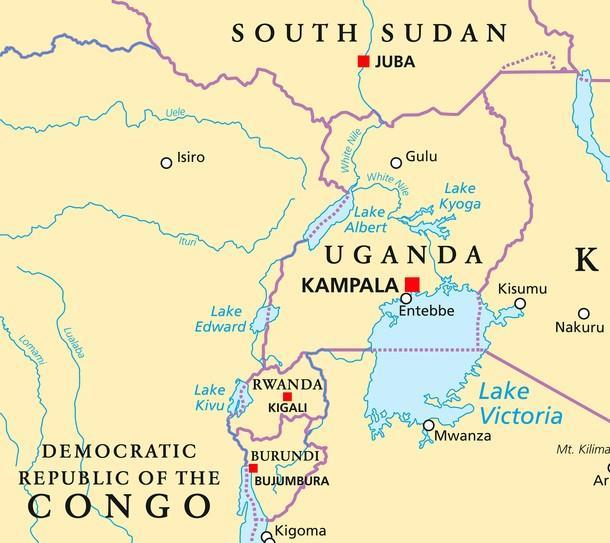
A simple way to think about it: do not judge the whole continent by one outbreak zone. Africa has 54 countries, and travel risk is not the same in Cape Town, Cairo, Nairobi, Kigali, Accra, or eastern Congo.
Also read – India Tightens Travel Advisory Over Ebola Outbreak
What Travelers Are Really Asking: Should I Book Flights Now or Wait?
Book now only if your destination is outside the affected Ebola zones and your ticket has flexible change rules. This is the safest middle path for travelers who do not want to lose money.
Before booking, check these four things:
- Destination health notice: Is your city or province under an Ebola warning?
- Airline change policy: Can you move the flight without a painful fee?
- Travel insurance wording: Does it cover epidemics, border closures, quarantine, or medical evacuation?
- Transit route: Are you connecting through a country with enhanced screening?
For example, a traveler flying from London to Cape Town for a safari extension in South Africa is in a very different situation from a humanitarian worker flying into eastern DRC. The first traveler may only need normal travel checks. The second needs professional risk planning, medical evacuation coverage, and strict health protocols.
Current Flight Restrictions During the 2026 Ebola Outbreak
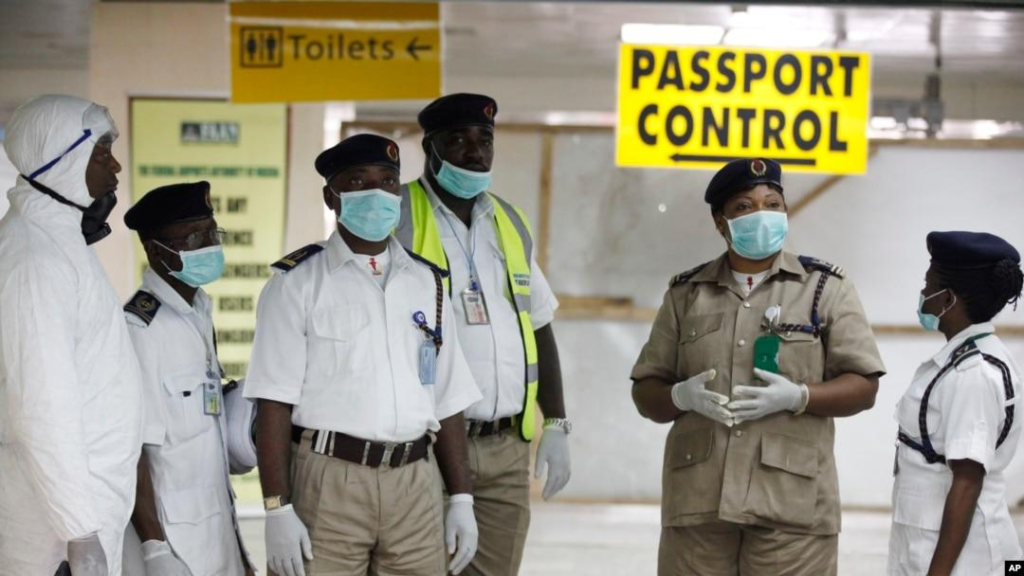
There is no global flight ban because of the 2026 Ebola outbreak, but some countries have introduced screening, rerouting, and entry-related measures.
For U.S.-bound travel, affected air passengers from DRC, South Sudan, and Uganda may be routed through selected U.S. airports for enhanced public health screening. Those airports include:
- Washington-Dulles International Airport
- Atlanta Hartsfield-Jackson International Airport
- George Bush Intercontinental Airport
- John F. Kennedy International Airport
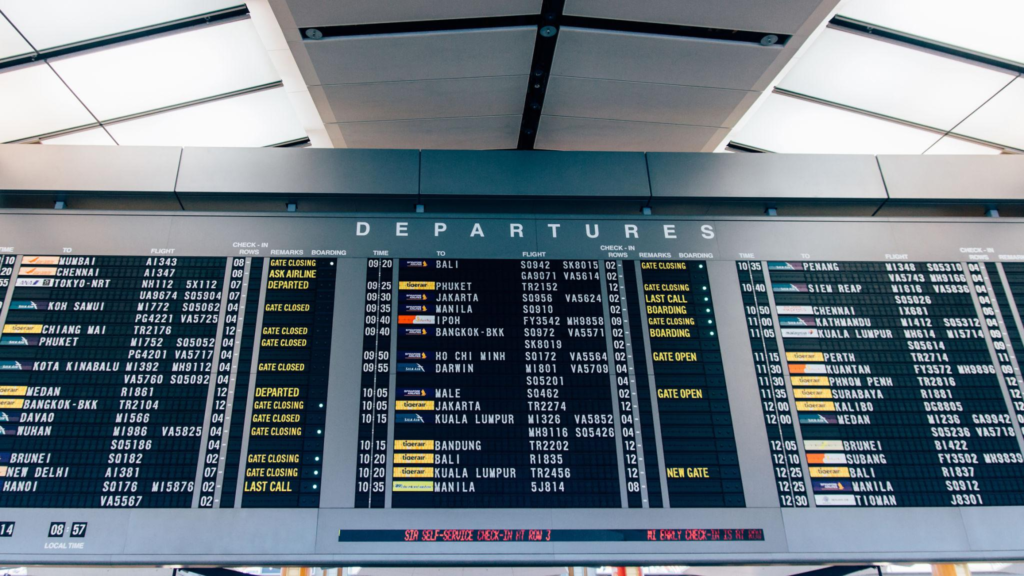
This does not mean every traveler from Africa is restricted. It means certain travelers from higher-risk routes may face extra checks.
India has advised citizens to avoid non-essential travel to DRC, Uganda, and South Sudan until further notice. Travelers from India should treat this as a serious planning signal, especially if booking work trips, aid travel, field reporting, religious travel, or family visits near affected regions.
Also read – US Travel Restrictions Hit 3 African Nations: Full Report
Is Travel Insurance Covering the 2026 Ebola Outbreak?
Travel insurance may not automatically cover Ebola-related cancellations unless the policy clearly includes epidemics, government advisories, quarantine, and medical evacuation. This is where many travelers make expensive mistakes.
Before buying a policy, ask the insurer these exact questions:
- Will this cover cancellation if my government advises against travel?
- Does it cover quarantine expenses abroad?
- Does it cover medical evacuation from DRC or Uganda?
- Does it cover trip interruption if borders close?
- Does it cover Ebola or viral hemorrhagic fever?
- Is “fear of travel” excluded?
A real-life example: if you cancel because you feel nervous, most standard policies may not pay. If your government officially advises against non-essential travel after you bought the trip, your coverage depends on the policy wording. This is why “Cancel For Any Reason” cover can be useful, but it must usually be purchased soon after the first trip payment.
Should You Travel to DRC During the Ebola Outbreak?
Do not take non-essential trips to Ituri, North Kivu, or South Kivu during the outbreak. These are the areas travelers should treat as the red zone.
CDC guidance advises avoiding non-essential travel to the affected DRC provinces. The situation is harder because some outbreak areas also face insecurity, health access problems, and community mistrust. That combination makes ordinary travel risk much higher.
Only essential travelers should consider going, such as:
- Medical response teams
- Humanitarian workers
- Official government or emergency staff
- Journalists with safety support
- People with urgent family or legal reasons
Even then, travel should not be casual. It should include medical evacuation cover, field security support, local health contacts, and a plan for what happens if symptoms appear.
Is Uganda Safe to Visit During the 2026 Ebola Outbreak?
Uganda is not in the same category as eastern DRC, but travelers should use enhanced precautions. CDC lists Uganda under a lower travel health notice than the affected DRC provinces, but the outbreak still matters because cases have been reported there.
For tourists, the safest approach is:
- Avoid visiting hospitals unless needed
- Avoid contact with sick people
- Avoid funerals or burial rituals involving touching bodies
- Avoid caves, mines, bats, and bushmeat exposure
- Monitor symptoms for 21 days after leaving an outbreak area
- Call ahead before visiting a clinic if fever or symptoms develop
If your Uganda trip is for gorilla trekking, safaris, business meetings, or family travel, do not rely on social media updates. Check your government’s travel advisory, your airline rules, and your tour operator’s route before payment.
How Ebola Spreads: What Airport Travelers Should Know
Ebola does not spread through the air like flu, measles, or COVID. It spreads through direct contact with blood, body fluids, contaminated objects, infected animals, or the body of someone who died from the disease.
This is why airport panic is usually misplaced. Sitting in an airport near a healthy person from Africa is not the main risk. The bigger risks are close contact with a sick person, unsafe medical care, burial exposure, or contact with infected bodily fluids.
Symptoms can include:
- Fever
- Headache
- Muscle pain
- Weakness
- Vomiting
- Diarrhea
- Stomach pain
- Unexplained bleeding or bruising in later illness
The most useful traveler rule: if you were in an outbreak area and develop fever within 21 days, isolate and call health authorities before going to a clinic.
Also read – British Tourists to Face 6-Hour EU Border Queues
What Not to Do Before Booking Flights
Do not cancel a trip just because the word Ebola appears in headlines. Cancel or postpone based on location, official advice, and your personal risk level.
Avoid these mistakes:
- Do not assume all African countries are unsafe
- Do not book non-refundable flights into affected zones
- Do not rely only on airline call centers for health rules
- Do not buy travel insurance without reading epidemic exclusions
- Do not travel sick or hide symptoms at screening
- Do not visit healthcare facilities in outbreak areas unless urgent
The smartest travelers are not the ones who panic. They are the ones who read the actual advisory and plan around it.
Safe Booking Checklist for Flights During the 2026 Ebola Outbreak
Use this checklist before paying for flights, hotels, tours, or visas.
| Before You Book | Why It Matters |
| Check WHO and CDC updates | Outbreak zones can change |
| Check your country’s travel advisory | Insurance may depend on it |
| Choose refundable or flexible flights | Rules can shift quickly |
| Avoid affected DRC provinces | Highest current travel concern |
| Confirm tour routes in writing | Some operators may change routes |
| Buy medical evacuation cover | Essential for remote areas |
| Save emergency contacts offline | Internet access may fail |
| Keep 21 days open for symptom monitoring | Ebola symptoms can appear after travel |
A small practical tip: screenshot your insurance benefits, airline rules, and government advisory on the day you book. If there is a claim later, you will have a record of what was true at the time of purchase.
Bottom Line: Is It Safe to Book Flights During the 2026 Ebola Outbreak?
It is safe to book flights to most places, but not smart to book casual travel into the affected DRC provinces right now. Uganda requires enhanced precautions, and South Sudan may appear in advisories because of regional border risk.
The best advice is clear: book flexible tickets, avoid affected zones, buy serious travel insurance, and follow official health guidance instead of viral panic posts.
This outbreak is dangerous for affected communities and response workers. For most international travelers, the real task is not panic. It is careful route planning.

