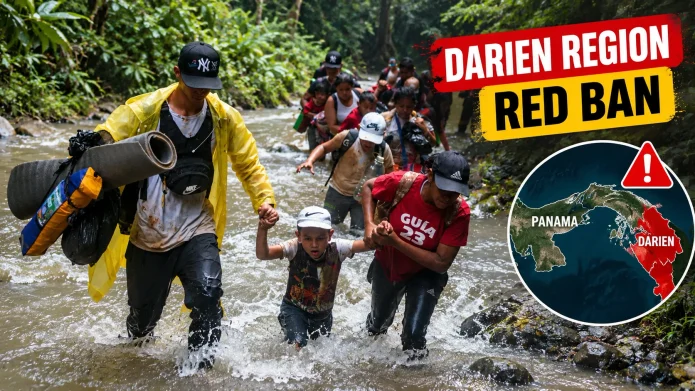
The United States government issued a strict Level 4 “Do Not Travel” red ban for Panama’s remote Darien Region and the Mosquito Gulf due to severe violent crime and drug trafficking. However, this high-risk travel ban does not apply to popular vacation destinations like Panama City, Bocas del Toro, or Boquete. The rest of Panama remains under a standard Level 2 advisory, placing the country in the same safety category as France, Spain, and the United Kingdom.
Which Specific Areas of Panama Are Under the Level 4 Red Ban?
The Level 4 red ban covers all parts of the Darien Region located south of Yaviza extending directly to the Colombian border. The ban also includes the El Salto community and coastal territory within ten miles of the Mosquito Gulf between Boca de Rio Chiriqui and Cocle del Norte. The U.S. Department of State strictly forbids US government employees from traveling into these designated red zones without high-level administrative clearance.
Travelers will find zero infrastructure, hotels, or tourist services in these border areas. If you book an adventure excursion in Panama, make sure your tour operator stays far west of the Darien province.
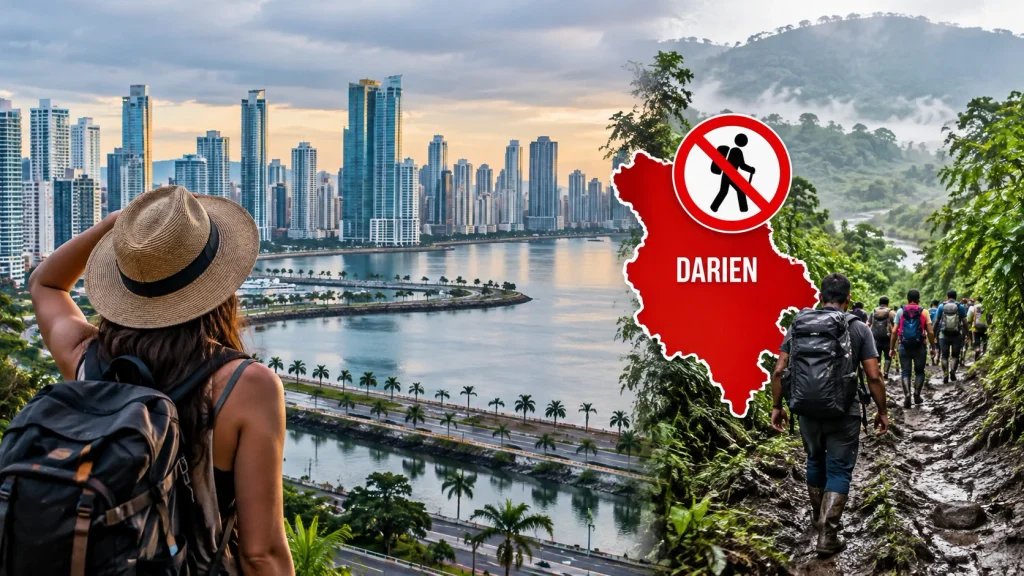
Why the US State Department Placed Panama’s Darien Region on a Level 4 Do Not Travel List
The Darien Gap is an isolated, roadless jungle border zone controlled by human smuggling networks and international drug cartels. The Pan-American Highway literally ends at the town of Yaviza, leaving the surrounding rainforest completely cut off from standard police patrols and emergency medical teams. If a traveler gets hurt or stranded near remote towns like Lajas Blancas or Manene, emergency search and rescue teams cannot legally or physically reach you.
Security forces have very little visibility inside the dense jungle canopy. Violent crimes, including armed robberies and sexual assaults, occur regularly along migrant trails crossing through the area. Keeping out of this territory is the only guaranteed way to protect your physical safety.
Also read – N’Djamena Travel Alert: Carjackings and Armed Crime on …
Is Panama City Safe for Tourists Visiting the Canal and Casco Viejo?
Panama City remains completely safe for international tourists visiting historic sites like Casco Viejo, the Amador Causeway, and the Panama Canal. Most crimes reported in the capital are opportunistic petty thefts, such as purse snatching in outdoor markets or pickpocketing on public buses. The Global Affairs Canada travel advisory confirms that standard tourist areas are secure, but warns travelers to avoid dangerous city neighborhoods like El Chorrillo, Curundu, Calidonia, and San Miguelito.
The line between a protected tourist zone and a high-crime district often sits within a single city street. You must stay aware of your location after sunset and avoid walking into dark side streets near neighborhood boundaries. Always verify safe walking routes with your hotel front desk staff before heading out at night.
How to Handle Protests and Highway Roadblocks Along the Pan-American Highway
Local labor unions and political groups frequently stage unannounced roadblocks along the Pan-American Highway, stopping intercity traffic for hours at a time. Never attempt to force a vehicle through a protest line, as demonstrations can turn hostile when drivers become aggressive. The U.S. Embassy in Panama advises foreign travelers to turn their vehicles around immediately and wait in a safe town rather than confronting protesters.
If widespread strikes threaten cross-country travel, book a quick domestic flight with Copa Airlines or Air Panama instead of driving between regional hubs. You should also check road conditions through the official Sistema Nacional de Protección Civil (SINAPROC) alerts to spot active highway blockades before starting your road trip.
Essential Safety Rules for Tourists Traveling Across Panama
Staying safe during a Panama vacation comes down to simple daily habits and avoiding unnecessary risks. Tourists must keep expensive watches, designer bags, and large amounts of cash hidden away while walking through city shopping districts.
Follow these specific tips to protect yourself and your belongings:
- Use rideshare apps: Always order rides through Uber or InDrive at night instead of waving down unverified street taxis.
- Use indoor ATMs: Only withdraw cash from automated teller machines located inside busy shopping malls, banks, or major hotels.
- Do not resist theft: Hand over your wallet and phone immediately if an armed individual confronts you on the street.
- Check health warnings: Review health notices from the Centers for Disease Control and Prevention (CDC) regarding mosquito-borne illnesses like dengue fever, and apply strong repellent before going on jungle hikes.
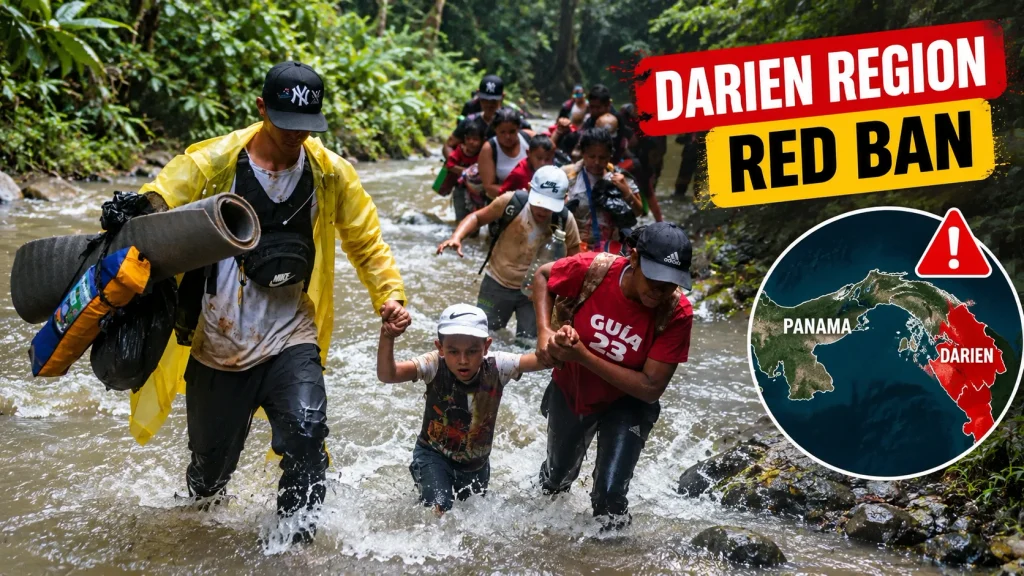
Panama Regional Travel Advisory Safety Breakdown
Checking the safety status of each province helps you build an itinerary that avoids restricted zones entirely.
| Panama Region | Advisory Level | Primary Safety Risk | Traveler Recommendation |
| Panama City | Level 2 (Increased Caution) | Petty theft, street scams | Safe for normal travel; stay in tourist zones |
| Darien Region (South of Yaviza) | Level 4 (Do Not Travel) | Armed cartels, violent crime | Completely off-limits; cancel all travel |
| Mosquito Gulf Coastline | Level 4 (Do Not Travel) | Remote drug trafficking routes | Completely off-limits; avoid all boat transit |
| Bocas del Toro & Boquete | Level 2 (Increased Caution) | Petty crime, occasional rip tides | Safe for eco-tours and resort vacations |

