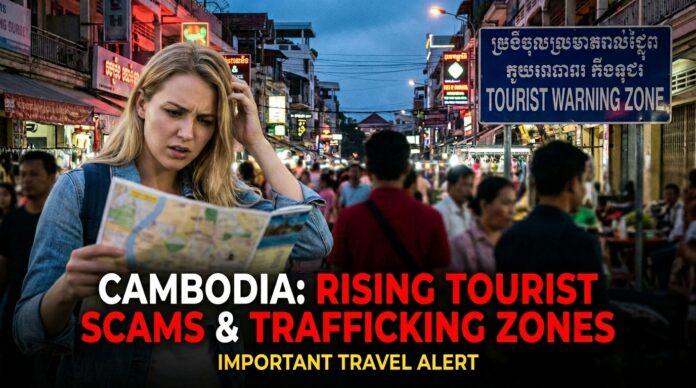
To stay safe from rising tourist scams and trafficking zones in Cambodia, travelers must strictly avoid unregulated border towns like Poipet, refuse any unsolicited job offers promising high pay, and never surrender their passports to unofficial “guides” at airports or checkpoints. The reality on the ground has shifted drastically, and what looks like a simple scam can now funnel victims into massive forced-labor compounds.
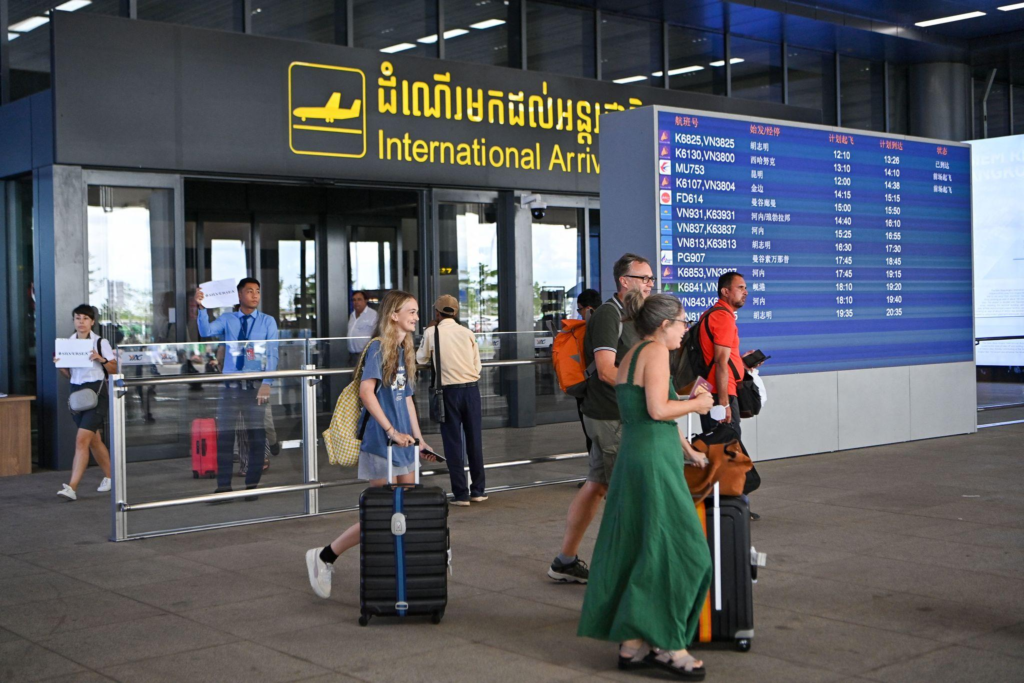
We all want to find the best, most authentic travel experiences, but ignoring the dark underbelly of a destination puts you in severe danger. Across the Mekong region, over 300,000 individuals are currently trapped in highly organized cyber-scam compounds, according to Reuters. Cambodia has unfortunately become a central epicenter for these operations, which are heavily managed by transnational criminal syndicates. In recent months, international media and human rights groups have documented horrific abuses, making it critical for anyone visiting the region to understand exactly what they are walking into.
What Are the Most Dangerous Trafficking Zones in Cambodia Today?
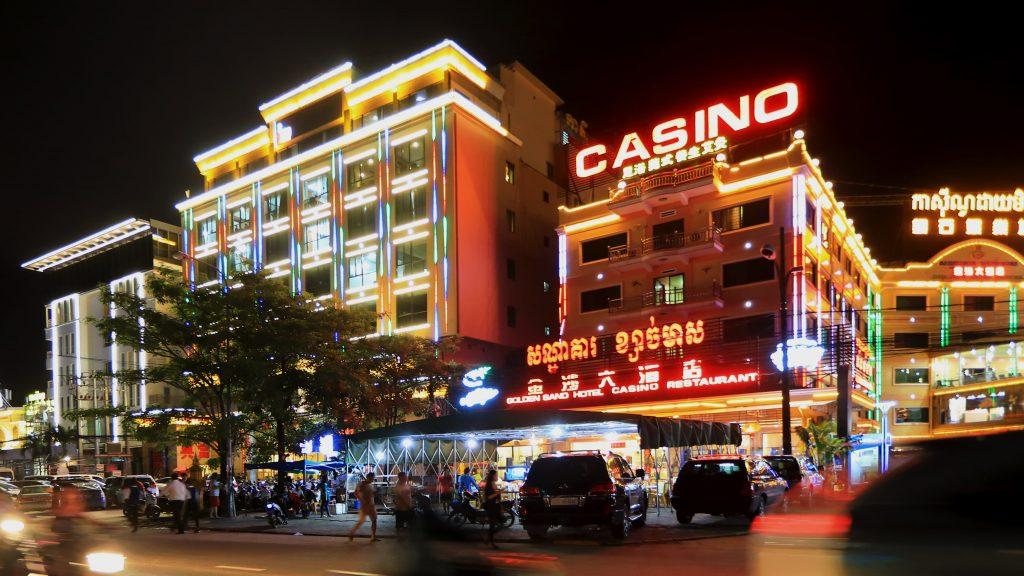
The most notorious trafficking zones are Sihanoukville, Poipet, and remote areas along the Thai-Cambodian border like O’Smach. These locations are dominated by massive, walled compounds operating under the guise of casinos or Special Economic Zones (SEZs).
While cities like Siem Reap (home to the incredible Angkor Wat) remain relatively safe for standard tourism, the border towns and specific coastal developments are entirely different ecosystems. We continually see a distinct pattern where criminals set up shop in areas with minimal law enforcement oversight.
Here is a clear breakdown of the high-risk zones:
| Trafficking Hotspot | Primary Cover Operations | Danger Level for Travelers |
| Sihanoukville | Massive casinos and coastal SEZs | Extreme – Avoid unattended beaches and alleys |
| Poipet (Thai Border) | Border transit corridors and gambling halls | High – High risk of extortion and kidnapping |
| O’Smach | Isolated border crossings | High – Known for massive forced-labor camps |
| Phnom Penh (Suburbs) | Fake corporate high-rises | Moderate – High risk for fake job interview traps |
Experience Tip: If you are crossing the land border from Thailand into Cambodia via Poipet, do not accept offers from friendly locals offering to “fast-track” your visa. We regularly hear from travelers who were diverted to unofficial buildings where their passports were held hostage until exorbitant fees were paid, or worse, they were coerced into waiting vehicles.
Also read – FIFA World Cup 2026 Ticket Scams: How to Spot Fakes & Stay
How Do Minor Tourist Scams Escalate Into Human Trafficking?
Tourist scams escalate into human trafficking when victims accept free transportation, agree to meet new acquaintances in private locations, or fall for lucrative employment traps while already in the country. It rarely starts with a violent abduction on a busy street; it almost always starts with psychological manipulation.
Recent events highlight exactly how dangerous these traps have become. In late 2025 and early 2026, South Korean authorities had to repatriate dozens of their citizens who were detained in Cambodia. These individuals were lured by fake high-paying IT or hospitality jobs. Tragically, in August 2025, a South Korean college student was tortured and killed after falling for one of these exact employment scams.
Here is exactly how the syndicates bait their victims:
- The Fake Job Offer: You see an ad on social media for a highly paid customer service or tech job in Cambodia, complete with free flights and luxury hotel stays.
- The VIP Airport Pickup: Upon landing in Phnom Penh or Bangkok, victims are met by drivers—sometimes accompanied by corrupt officials—who bypass normal immigration lines.
- The Reroute: The driver claims there is traffic or a change of plans and drives hours away from the city center into fortified border towns.
- The Trap: Once inside the compound, passports are confiscated, and victims are forced to commit crypto fraud or romance scams online under threat of severe physical violence.
Who is Being Targeted by These Cyber Crime Syndicates?
Syndicates are targeting tech-savvy young adults, solo travelers, and desperate job seekers from over 80 different countries. They do not care about your nationality; they strictly care about your ability to speak specific languages and operate computers.
While early reports focused heavily on victims from neighboring Southeast Asian countries, the net has widened massively. Survivors rescued from these camps include citizens from Kenya, Bangladesh, South Korea, and even South America. One survivor named Winta was trafficked from East Africa at just 16 years old after being offered a completely fictitious job on a cruise ship. The criminals aggressively recruit fluent English, Korean, and Arabic speakers to run their global crypto investment scams.
Are the Cambodian Government Crackdowns Actually Working?
Despite high-profile police raids, the crackdowns are largely ineffective because criminal networks use immense wealth to collude with local authorities and simply move their operations when warned in advance.
In July 2025, the government launched a massive campaign to shut down these centers. However, recent human rights investigations found that over 70% of identified compounds were completely bypassed during these raids. Survivors reported that compound bosses were tipped off long before the police arrived. They were simply packed onto buses and driven into the mountains until the heat died down. Thousands of escaped victims are currently stranded in the country without passports, money, or state support, creating a severe humanitarian crisis.
Also read – Is Hopper App Legit for Hotels in USA? My Real Opinion
What Should You Do to Stay Safe Before and During Your Trip?
To stay completely safe, you must verify every single business opportunity through official embassy channels and maintain strict boundaries with strangers while traveling.
What to Do:
- Verify Everything: If an employer cannot be verified through official government business registries, block them immediately.
- Control Your Own Transit: Only use official, pre-booked taxis or well-known ride-hailing apps like Grab. Never get into an unmarked car, even if the person claims your hotel sent them.
- Share Your Location: Keep your smartphone’s location sharing active with a trusted friend or family member back home at all times.
What NOT to Do:
- Never hand over your passport: Your passport should only ever be handed to an official immigration officer behind a designated government counter.
- Never follow a “helpful” stranger: If someone approaches you at the airport claiming there is a problem with your luggage or visa, walk directly to an official information desk.
- Never go to isolated job interviews: If a recruiter asks to meet at a casino, resort, or border town instead of a standard corporate office in the city center, walk away immediately.
Stay vigilant. Cambodia is home to incredible history and resilient people, but navigating it safely today requires absolute situational awareness and a firm refusal to engage with anything that seems too easy or too lucrative.
Trusted Sources: Reuters Investigative Reports

