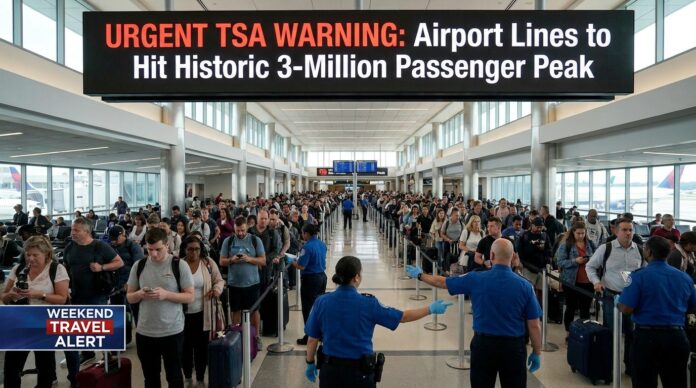
The TSA is bracing for an unprecedented checkpoint crisis as daily passenger volumes are projected to cross the 3 million mark for the first time in aviation history this weekend. If you are planning to head to the airport for a weekend getaway, you are about to step directly into a logistics storm that will test the limits of terminal infrastructure. Standard arrival windows will not save your itinerary this time.
Standing in a security line that snakes out of the terminal doors and onto the sidewalk is a quick way to ruin your vacation before it even begins. I experienced this exact bottleneck last month at O’Hare when a minor tech glitch coupled with heavy passenger volume turned a routine morning flight into a sprint to the gate. To protect your travel plans, you must understand the specific pressure points causing this massive surge.
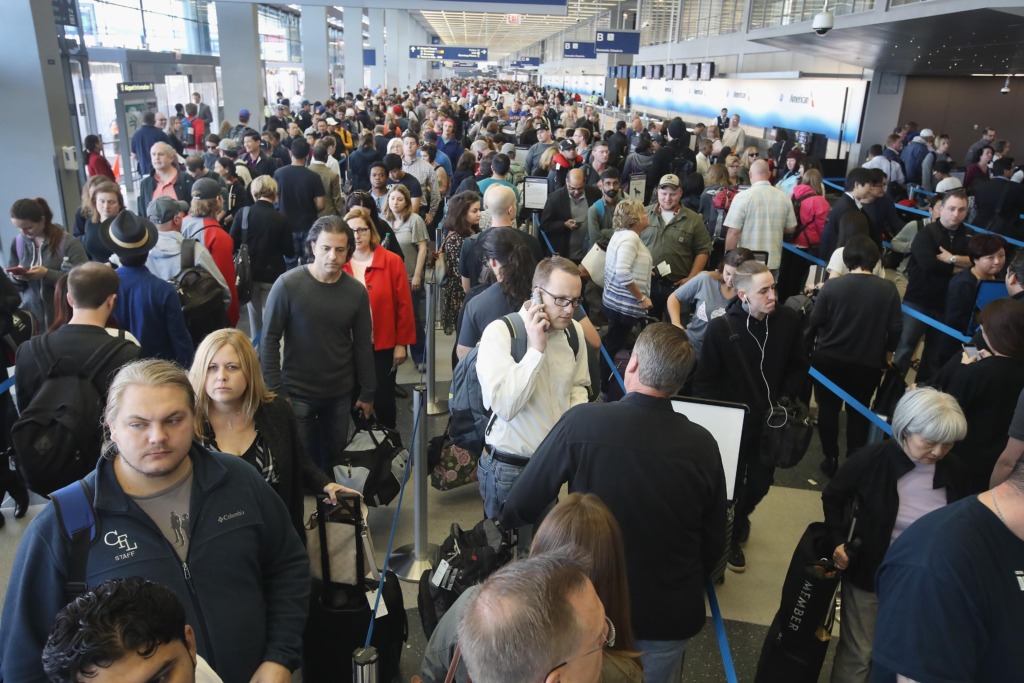
Why Are Airport Checkpoints Experiencing This Unprecedented Surge?
A explosive combination of peak summer vacation scheduling and maximized airline seat capacity is driving this massive weekend congestion. The Transportation Security Administration confirmed that passenger volumes are tracking 6% higher than last year. This surge means airports are processing more travelers than their physical checkpoints were ever designed to handle.
Many travelers are left wondering why are airport lines so long this weekend when carriers promised smoother operations this season. The reality is that airlines have deployed larger aircraft on domestic routes, dumping hundreds of passengers into terminal corridors at the exact same time.
Also read – Flying With a Dog to Europe in 2026: Rules, Costs and Hidden Checks
Did You Know?
The previous single day screening record was 2.99 million passengers. The current TSA airport warning indicates that multiple major hubs will shatter that record simultaneously over the next 72 hours.
The Specific Hubs Facing the Worst Passenger Congestion
While every major terminal will be busy, a handful of specific metropolitan airports are bearing the brunt of this historic airport peak. If your itinerary routes you through Atlanta, Dallas, or Chicago, your risk of flight disruption multiplies significantly.
The data provided by aviation tracking groups indicates that specific departure blocks are heavily congested. The table below outlines the peak danger windows for major domestic transit hubs.
| Major US Hub Airport | Most Congested Terminal Gates | Expected Peak Waiting Times | Absolute Worst Time to Arrive |
| Atlanta Hartsfield-Jackson (ATL) | Domestic Main Security | 45 to 60 minutes | Friday 6:00 AM to 9:00 AM |
| Dallas/Fort Worth (DFW) | Terminal C Checkpoints | 40 to 55 minutes | Friday 4:00 PM to 7:00 PM |
| Chicago O’Hare (ORD) | Terminal 1 and Terminal 3 | 50 to 65 minutes | Sunday 3:00 PM to 6:00 PM |
| Los Angeles (LAX) | Tom Bradley International | 45 minutes | Sunday 7:00 PM to 10:00 PM |
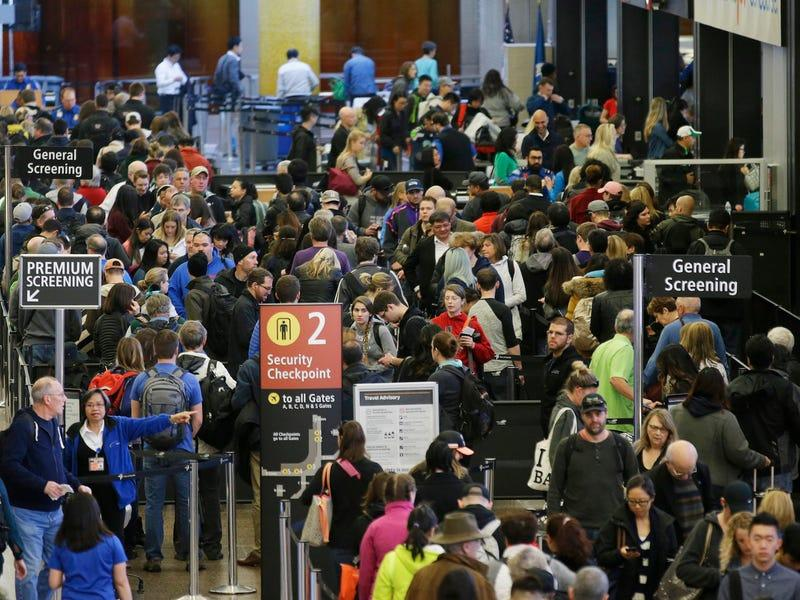
Tactical Blueprint to Avoid Getting Stranded
Faced with this TSA 3 million passenger alert, you cannot rely on luck to make your departure. Knowing how early should I get to the airport is the difference between sitting in your assigned seat or watching your plane back away from the jet bridge.
If you want to survive the summer travel crowds, follow this exact operational sequence before you leave your house:
- Check your specific airline mobile app three hours before departure to verify aircraft arrival status.
- Reserve your airport parking space online immediately to avoid driving around full garages.
- Download a digital terminal map to locate secondary, lesser-known security checkpoints.
Also read – Emirates Adds UAE Visitor Insurance With Conflict Cover and Rebooking Support
Quick Tip
Most major airports have multiple security checkpoints connected to the same secure airside area. If the main terminal line is blocked, walk to an adjacent terminal checkpoint to find shorter queues.
Bypassing the Chaos Without Elite Status
You do not need an expensive first class ticket to escape the worst of the terminal gridlock. Investing in a TSA PreCheck enrollment remains the most effective defense mechanism against crushing airport security lines.
Data from the Airlines for America coalition shows that PreCheck lanes move twice as fast as standard screening lanes. This efficiency exists because travelers keep their shoes, belts, and light jackets on during screening.
- Verify that your known traveler number is printed clearly on your digital boarding pass.
- Keep your physical identification documents easily accessible in an outer pocket.
- Avoid wearing shoes with heavy metal shanks or complex lace systems.
Did You Know?
Over 99% of TSA PreCheck passengers wait less than 10 minutes at checkpoints, even during high volume holiday travel weekends.
Mastering the In-Line Protocol to Speed Up Screening
The real breakdown in security speed happens when casual vacationers forget standard checkpoint rules. Reviewing the TSA liquid rules for summer travel prevents a bag search that can add 15 minutes to your wait time.
Keep your liquids strictly limited to containers of 3.4 ounces or less packed inside a single clear quart bag. If an officer flags your bag for an additional check, it slows down the entire line behind you.
- Pack your laptop and large electronics at the very top of your carry-on bag for quick removal.
- Empty all loose change, keys, and foil wrappers from your pockets into your jacket before reaching the bin.
- Cooperate directly with the instructions given by the local security officers to keep the line moving.
Also rea – Australia Government Eases Middle East Travel Advice: Cheaper Flights to Europe Expected
Quick Tip
If you are traveling with a family, assign one adult to handle the bins while the second adult guides the children through the metal detector.
What to Do If the Worst Happens at the Gate
If you find yourself stuck at the back of the line as your boarding time approaches, you must act aggressively. Knowing what happens if I miss my flight due to TSA lines will help you negotiate with airline staff.
Most major carriers operate under an unwritten flat-tire policy. If you miss your flight due to factors outside your control, agents can often place you on the next available departure as a standby passenger without charging a massive change fee.
Key Takeaways
- The TSA projects a historic single day peak crossing 3 million passengers this weekend.
- Peak congestion windows are concentrated around early morning Friday and late afternoon Sunday travel blocks.
- Utilizing a TSA PreCheck enrollment cuts your average terminal wait time to under 10 minutes.
- Strict adherence to liquid regulations prevents manual bag inspections that stall security lines.
- Atlanta, Dallas, and Chicago are facing the highest risk of terminal delays.
- Understanding carrier flat-tire policies protects you if security delays cause a missed flight.
People Also Ask
Why are airport lines so long this weekend?
Lines are exceptionally long due to a historic surge in summer vacation volume combined with airlines utilizing larger aircraft that drop hundreds of passengers into terminals simultaneously. The TSA expects to screen over 3 million travelers in a single day.
How early should I get to the airport for a domestic flight?
You should arrive at least three hours before your scheduled departure during this historic peak window. This extra cushion accounts for extended lines at baggage drop desks and security checkpoints.
What are the TSA liquid rules for summer travel?
All liquids must be in containers of 3.4 ounces or less and fit into a single, clear quart-sized plastic bag. Exceptions are made for medically necessary liquids and infant food, which must be declared before screening begins.
What happens if I miss my flight due to TSA lines?
You should immediately speak with an airline gate agent or customer service representative to invoke their flat-tire policy. Most airlines will rebook you on the next available flight as a standby passenger without additional penalties.
What are the best times to avoid airport crowds?
The best times to avoid airport crowds are typically mid-day Tuesday and Wednesday departures or late-night Saturday blocks. Avoid Friday mornings and Sunday evenings, which represent the absolute peak of weekend travel.
How to get through airport security faster without PreCheck?
To speed up your screening, pack your electronics on top, empty your pockets into your carry-on bag before entering the line, wear slip-on shoes, and ensure all your liquids strictly follow the 3-1-1 rule.
Which airports are most affected by the TSA 3 million passenger alert?
The most heavily impacted hubs include Atlanta Hartsfield-Jackson, Dallas/Fort Worth, Chicago O’Hare, and Los Angeles International. Travelers using these facilities should prepare for maximum checkpoint congestion.
The current strain on our aviation infrastructure highlights a permanent shift in how we must approach domestic travel. Surviving the terminal requires a proactive strategy rather than standard compliance with old routines. Getting past the checkpoint is merely the first hurdle in an increasingly complex transportation network.
A much larger transformation involving biometric digital identification standardisation is quietly rolling out across select international departure lounges this month. This shift will fundamentally rewrite terminal logistics before the next major holiday season arrives.

