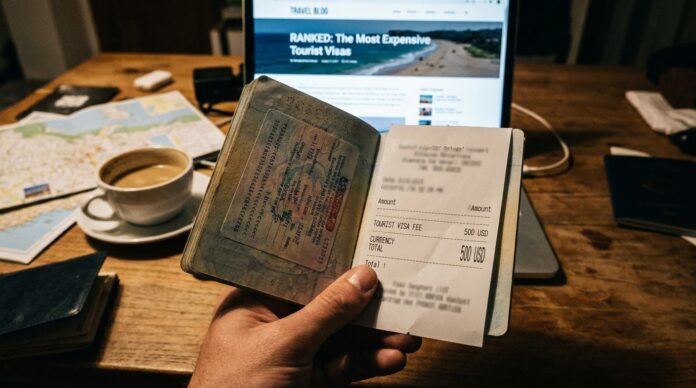
If you are calculating your vacation budget this year, you must look beyond flights and hotels. The cost to simply cross a border has skyrocketed. The United States currently charges the most expensive standard tourist visa fee in the world at $435 per person. However, if you measure by total daily entry cost, Bhutan dwarfs every other nation by charging a mandatory $100-per-night entry fee.
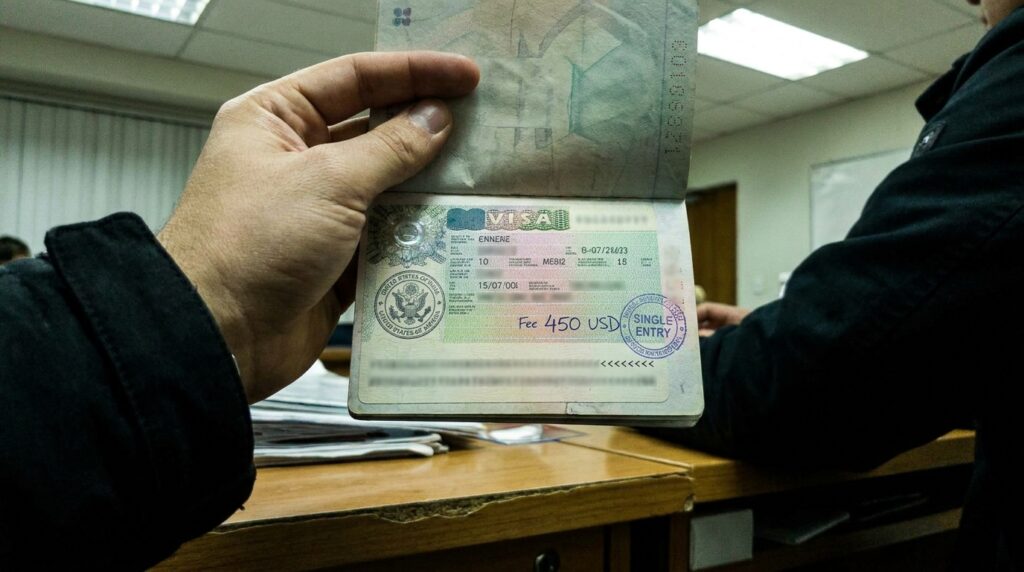
As someone who holds a passport that requires a visa for nearly every major destination, I know exactly how fast these hidden government fees drain a travel budget. The days of the standard $50 entry stamp are largely over for major western economies. Here is exactly which countries are charging the most, why the prices are surging, and how to protect yourself from unnecessary application fees.
Why Does the U.S. Tourist Visa Cost $435?
The U.S. B-1/B-2 visitor visa is officially the most expensive flat-rate tourist visa globally. The extreme cost is due to a newly stacked fee structure.
The base Machine Readable Visa (MRV) application fee remains at $185. However, a recently implemented $250 Visa Integrity Fee is now collected when the visa is issued. This brings the effective total to roughly $435 per applicant. Because the U.S. does not offer family discounts, a family of four now faces $1,740 in government fees just for the legal right to board a plane.
According to the U.S. Department of State’s visa policy guidelines, these fees are non-refundable. If your application is denied at the embassy interview, the government keeps your money.
The Bhutan Exception: Why You Will Pay $700 for a One-Week Trip
Bhutan operates on a completely different financial scale. The Himalayan kingdom does not use a traditional flat-rate visa model. Instead, it enforces a strict “high value, low volume” tourism philosophy designed to prevent mass tourism from destroying its culture.
Every foreign tourist must pay a Sustainable Development Fee (SDF) of $100 for every single night they spend in the country. If you stay for seven nights, your entry fee alone is $700. Official documents state that this daily fee directly funds free healthcare for Bhutanese citizens, local education, and the maintenance of the country’s carbon-negative status.
Also read – Tripadvisor’s Most Popular Summer Destinations for 2026
The Most Expensive Visas Ranking Table
Beyond the United States and Bhutan, several other major economies quietly raised their entry costs this year. The UK increased its short-term visitor rate, and Australia indexed its subclass 600 visa upward.
Here is exactly what a standard tourist visa costs for the top five most expensive nations right now:
| Country | Visa Type | Total Estimated Cost (USD) | Latest Updates & Notes |
| United States | B-1/B-2 Visitor | $435 | $185 base + $250 Integrity Fee |
| New Zealand | Visitor Visa | $180 | Includes the mandatory NZD 100 tourist levy |
| United Kingdom | Standard Visitor (6-Month) | $172 | Base price rose to £135 in April 2026 |
| Canada | Visitor Visa | $135 | Includes CAD 85 biometrics collection fee |
| Australia | Visitor (Subclass 600) | $130 | Indexed to AUD 200 annually |
(Note: The Schengen Area, encompassing 29 European countries, currently charges a flat €90 or ~$97, keeping it just outside the top five).
Also read – 25 Best Cultural Travel Experiences Around the World
What to Do (and What Not to Do) When Applying for an Expensive Visa
When a single visa application costs over $150, you cannot afford to make a paperwork mistake. A rejection means losing that money instantly. Here are the exact steps to follow to ensure your application is approved on the first try.
What to Do:
- Check for Reciprocity Fees. Always check your specific passport’s relationship with the destination country. Many countries charge “reciprocity fees,” meaning they will charge you the exact amount your home country charges their citizens.
- Ensure your passport is valid for six months. Most automated visa systems will instantly reject your application and keep your fee if your passport expires within six months of your planned return date.
- Book refundable hotels for the application. Consulates want to see your travel itinerary before they approve the visa. Book a fully refundable hotel via Booking.com or Expedia to use for your paperwork. Once the visa is approved, you can cancel it and book your actual Airbnb or budget stay.
What Not to Do:
- Do not use third-party “Visa Agency” websites. If a website promises to “fast-track” your UK or US visa for an extra $100, close the tab. These are often predatory middlemen who simply copy and paste your information into the official government portal. Always apply directly through official
.govportals like the UK Home Office Standard Visitor page. - Do not lie about your employment status. If you are a freelancer or between jobs, state it clearly and provide strong bank statements showing you can afford the trip. Lying about having a corporate job is the number one reason high-cost visas get rejected during background checks.
By understanding the true cost of border entry, you can avoid the sticker shock and allocate your travel budget where it actually matters: enjoying the destination itself.

