The US State Department has issued a Level 4 Do Not Travel advisory for the Democratic Republic of the Congo, with new restrictions blocking American citizens from boarding commercial flights to the United States if they’ve been in the DRC within the past 21 days due to an ongoing Ebola outbreak that has killed over 700 people.
If you’re an American citizen currently in the DRC, planning travel to Kinshasa, Goma, or Bukavu, or have family there, this advisory changes everything about your travel plans. Here’s what you need to know right now, including the 21-day quarantine rule, which areas are most dangerous, and how to get home safely.
What Is the New US Travel Restriction for DRC?
The US government has implemented Title 49 restrictions that prevent American citizens and nationals who have been in the DRC within a 21-day period from boarding commercial flights into the United States, effective July 15, 2026.
Key restrictions at a glance:
- 21-day waiting period: You must remain outside the DRC for 21 days before flying to the US
- No exceptions for commercial flights: This applies even if you’re asymptomatic and test negative
- Quarantine costs on you: If exposed, you may need to quarantine outside the US at your own expense
- Limited consular support: The US government has extremely limited capacity to provide emergency assistance in the DRC
This is the highest Level 4 travel advisory the State Department issues, reserved for destinations with severe local hazards where emergency consular assistance is nearly impossible.
Which DRC Cities Are Most Affected by This Warning?
Kinshasa, Goma, and Bukavu are the primary cities impacted, with Kinshasa facing airport transfer disruptions due to protests and Goma and Bukavu experiencing commercial flight suspensions after airport attacks.
City-by-city risk breakdown:
| City | Current Status | Flight Operations | Security Risk |
|---|---|---|---|
| Kinshasa | Level 4 Do Not Travel | N’djili Airport operational but protest disruptions possible | High crime, civil unrest, terrorism |
| Goma | Level 4 Do Not Travel | Commercial flights suspended after airport attacks | M23 rebel control, active conflict zone |
| Bukavu | Level 4 Do Not Travel | Commercial flights suspended | M23 rebel activity, border closures possible |
| Kisangani | Level 4 Do Not Travel | Bangoka Airport disrupted by drone attacks | Unpredictable security situation |
If you’re in Goma or Bukavu, the UK Foreign Office advises you to leave immediately if routes are available, noting that border crossings with Rwanda could close at short notice.
Why Is the US Blocking Flights From DRC?
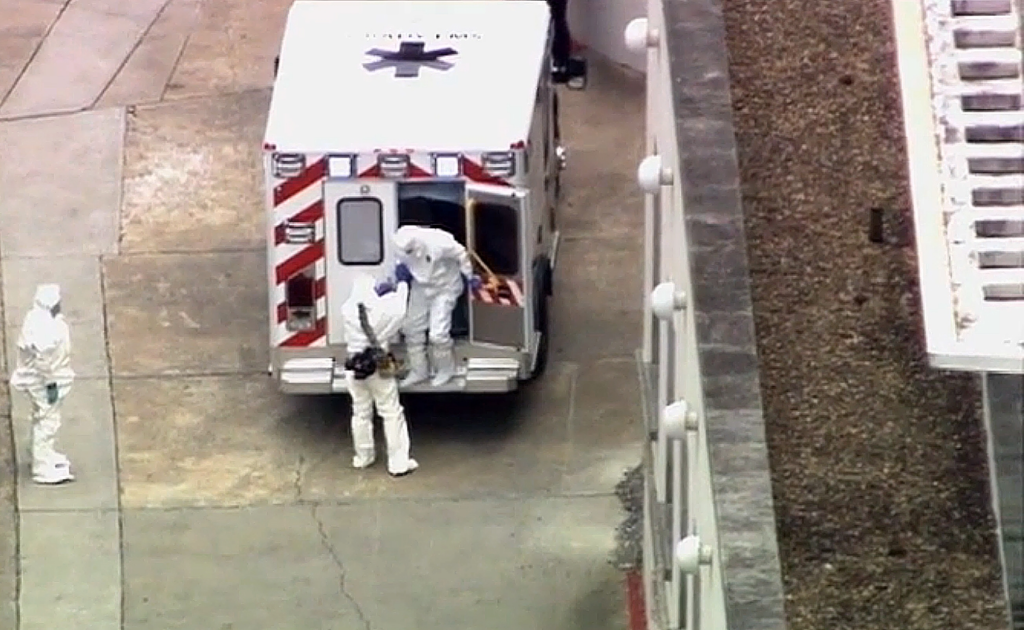
The restrictions come in response to an Ebola outbreak that has spread to multiple provinces across the DRC, with official data showing 1,926 confirmed cases and 702 deaths as of late July 2026.
What triggered the 21-day rule:
- Ebola has a maximum incubation period of 21 days
- The virus spreads through direct contact with infected bodily fluids
- Asymptomatic travelers could carry the virus undetected
- The World Health Organization declared this a public health emergency of international concern (PHEIC) on May 17, 2026
The CDC continues to assess the overall risk to the US public and travelers as low, with no cases linked to this outbreak confirmed in the United States to date. However, the State Department is taking a precautionary approach given the DRC’s fragile health infrastructure and ongoing conflict.
Also read – U.S. Outbound Travel Hits 29.1 Million Trips in Five Months
Who Does This 21-Day Flight Ban Apply To?
The restriction applies to all US citizens and US nationals who have been physically present in the DRC at any point during the 21 days before their attempted flight to the United States.
You’re affected if:
- You’re a US citizen currently in the DRC
- You’re a US permanent resident (green card holder) who visited the DRC
- You’re a dual US-DRC citizen
- You’re traveling on a US passport, regardless of where you live
You’re NOT affected if:
- You’re a foreign national flying to a non-US destination
- You haven’t been in the DRC within the past 21 days
- You’re traveling on a diplomatic or military flight (commercial flights are the only restriction)
What If I’m Already in the DRC Right Now?
If you’re a US citizen currently in the DRC, you should plan to remain outside the DRC for 21 days before attempting to enter the United States, according to the US Embassy in Kinshasa.
Immediate steps to take:
- Contact the US Embassy in Kinshasa at +243-815-566-200 for emergency assistance
- Leave the DRC immediately if you’re in a conflict zone like Goma or Bukavu
- Travel to a third country (Kenya, Uganda, Rwanda, or another safe destination)
- Begin your 21-day waiting period in that third country
- Monitor your health for Ebola symptoms during the waiting period
- Book your US flight only after 21 days have passed since leaving the DRC
The US government has established a voluntary assistance program for citizens who may have been exposed to Ebola. Following a health assessment, the program may arrange quarantine at a designated facility or medical evacuation to an appropriate treatment center, though the US government may not cover all associated costs.
Which Areas of the DRC Are Most Dangerous Right Now?
The UK Foreign Office advises against all travel to eastern DRC provinces including North Kivu, South Kivu, Ituri, and Haut-Uélé due to active armed conflict involving M23 rebels and Rwanda Defence Forces.
Areas where all travel is prohibited:
- North Kivu Province (including Goma): M23 rebel control, airport attacks
- South Kivu Province (including Bukavu): Active conflict, border instability
- Ituri and Haut-Uélé: Armed militia activity, terrorism risk
- Maniema, Tanganyika, Haut-Lomami: Ongoing violence
- Kisangani airport area: Multiple drone attacks disrupting flights
- DRC-Central African Republic border (50km zone): High kidnapping risk
Areas where only essential travel is advised:
- Parts of Kinshasa (N’djili and Kimbanseke districts south of the airport road)
- Upemba National Park (high crime risk)
- Kwamouth territory in Mai-Ndombe Province
If you’re in North or South Kivu, you should leave immediately if it’s safe to do so and routes are available.
How Much Will Quarantine Cost If I’m Exposed to Ebola?
Quarantine costs could be substantial and may not be covered by insurance, with the US Embassy warning that exposed individuals could face 21 days of quarantine outside the United States at their own expense.
Potential costs to budget for:
- Accommodation: 21 nights in a third country (hotel or quarantine facility)
- Food and daily expenses: Three weeks of living costs abroad
- Medical monitoring: Daily health checks, potential testing fees
- Flight changes: Rebooking fees for delayed US travel
- Travel insurance gaps: Many policies exclude epidemic-related quarantine
Before traveling to the DRC, you should have a comprehensive travel insurance policy that includes medical evacuation by air, though many insurers now exclude coverage for destinations under Level 4 advisories.
What Are the Symptoms of Ebola I Should Watch For?
Ebola symptoms typically appear 2 to 21 days after exposure, with an average incubation period of 8 to 10 days, according to the CDC.
Early symptoms to monitor:
- Sudden onset fever
- Severe headache
- Muscle and joint pain
- Weakness and fatigue
- Sore throat
Later symptoms (indicate progression):
- Vomiting and diarrhea
- Rash
- Impaired kidney and liver function
- Internal and external bleeding (in severe cases)
If you develop symptoms during your 21-day waiting period, do not attempt to fly. Contact local health authorities immediately and notify the US Embassy. The voluntary assistance program may arrange medical evacuation to an appropriate treatment center.
Can I Get Travel Insurance That Covers DRC Travel Right Now?
Most travel insurance policies will not cover travel to destinations under Level 4 Do Not Travel advisories, and many have specifically excluded DRC coverage due to the Ebola outbreak and ongoing conflict.
What to check before buying:
- Does the policy cover destinations under US State Department Level 4 advisories?
- Is epidemic or pandemic-related cancellation covered?
- Does medical evacuation include transport from conflict zones?
- Are quarantine expenses reimbursed if you’re exposed to Ebola?
- Does the policy cover trip interruption due to flight suspensions?
Smart move: If you must travel to the DRC for essential reasons (humanitarian work, family emergency), contact your insurance provider directly and get written confirmation of coverage. Standard policies bought online will likely deny claims related to DRC travel.
What About Travelers From Uganda and South Sudan?
The same 21-day flight restriction applies to travelers who have been in Uganda and South Sudan within the past 21 days, as both countries are experiencing Ebola outbreaks linked to the same Bundibugyo virus strain.
Countries under identical restrictions:
- Democratic Republic of the Congo (DRC)
- Uganda
- South Sudan
Countries with Level 4 advisories but no 21-day flight ban:
- Central African Republic
- Somalia
- Sudan
- Niger
If you’re traveling from East or Central Africa, check your entire itinerary. Even a layover in Uganda or South Sudan could trigger the 21-day waiting period.
How Do I Get Help From the US Embassy in the DRC?
The US Embassy in Kinshasa can be reached at +243-815-566-200 for emergency assistance, though the State Department warns that consular support is severely limited outside Kinshasa.
When to contact the embassy:
- You’re a US citizen in immediate danger
- You’ve been exposed to Ebola and need medical assistance
- You need help arranging evacuation from a conflict zone
- You’re detained or arrested in the DRC
- You’ve lost your passport and need emergency travel documents
What the embassy cannot do:
- Provide security escorts through conflict zones
- Guarantee evacuation from Goma or Bukavu
- Cover your quarantine or medical expenses
- Override the 21-day flight restriction
- Assist you if you’re in an area where all travel is advised against
The embassy’s ability to help is particularly limited in eastern DRC, where UK and other foreign governments have no diplomatic presence.
What If I Have a Connecting Flight Through the DRC?
If your itinerary includes a layover or connection in the DRC, even if you don’t leave the airport, you’ll still be subject to the 21-day flight restriction when attempting to enter the United States.
How to avoid this problem:
- Rebook your flight to avoid DRC connections entirely
- Route through alternative hubs: Addis Ababa, Nairobi, Dubai, or Doha
- Check your full itinerary before booking, not just your origin and destination
- Use flight search engines that show all connection points clearly
Airlines are not required to inform you of this restriction at check-in, so it’s your responsibility to verify your travel history against the 21-day rule.
The Bottom Line for American Travelers
The US has implemented a Level 4 Do Not Travel advisory with 21-day flight restrictions for the DRC due to an Ebola outbreak that has killed over 700 people and ongoing armed conflict in eastern provinces.
Your next move:
- If you’re in the DRC: Leave immediately for a third country and begin your 21-day waiting period
- If you’re planning travel: Postpone all non-essential trips to the DRC indefinitely
- If you have family there: Help them plan evacuation to a safe third country before attempting US travel
- If you’re traveling through East Africa: Verify your entire itinerary avoids DRC, Uganda, and South Sudan
This isn’t a temporary inconvenience. The combination of Ebola, armed conflict, and limited consular support means the DRC is currently one of the most dangerous destinations for American travelers.

