
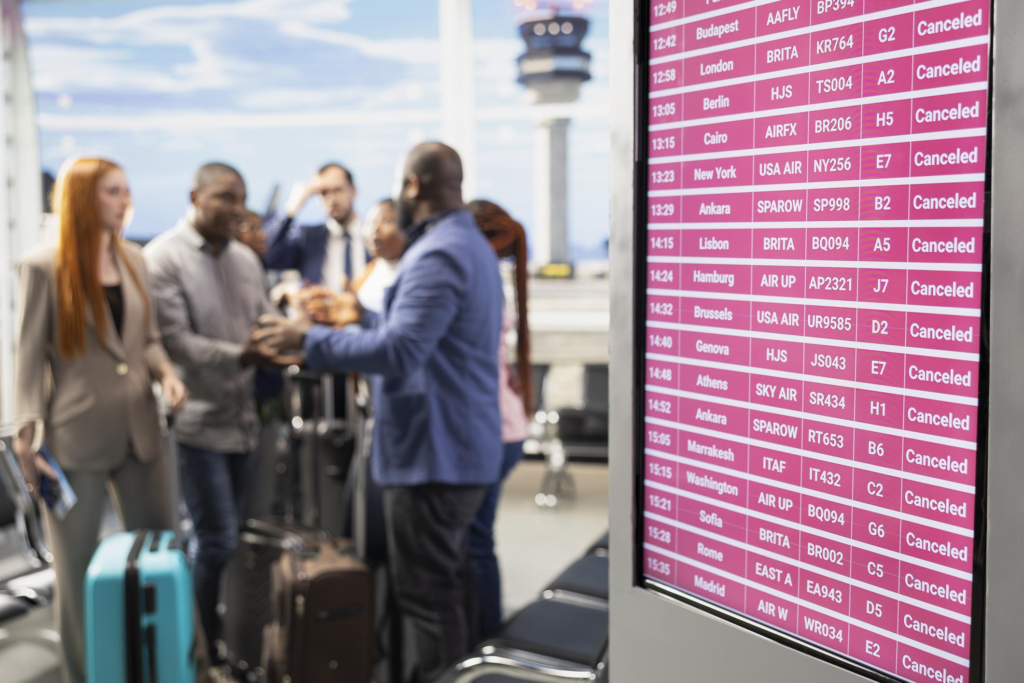
Travel insurance may not cover war-related trip disruptions in 2026, even if your flight is cancelled, your hotel stay gets extended, or you are stranded abroad. Standard travel insurance usually protects you from personal travel risks like sudden illness, lost baggage, accidents, or non-war delays. It does not work like a blanket safety net for war, military action, airspace shutdowns, evacuations, or government restrictions.
That is the part many travellers discover too late.
A family may book a Dubai connection months in advance, only to see the airspace close after a sudden escalation in the region. A student may be stuck abroad for three extra nights because airlines stop operations. A business traveller may have to buy a fresh ticket through a longer route. In all these cases, the bill can feel unfair, but the insurance claim may still be rejected if the loss is linked to war or hostilities.
Does Travel Insurance Cover War-Related Flight Cancellations?
No, most standard travel insurance policies do not cover flight cancellations caused by war, military action, or government-led airspace restrictions. This includes both declared and undeclared wars, invasions, hostilities, and situations directly or indirectly connected to conflict.
This matters because modern travel disruption rarely looks like a battlefield. It often looks like:
- A closed airspace notice
- A cancelled connecting flight
- A rerouted aircraft
- A sudden airport shutdown
- A government warning against travel
- A hotel bill because you cannot fly home
To a traveller, it feels like a normal travel emergency. To an insurer, it may fall under a war exclusion clause.
Also read – Sri Lanka eTA Application Fees Removal: 40 Countries List
What Is Not Covered If War Disrupts Your Trip?
Travellers may have to pay several costs themselves when the disruption is linked to conflict. Insurance experts say standard policies generally exclude many expenses that arise from war-like situations, even when the traveller had no control over the event.
| Situation | Likely Covered? | Why It May Be Rejected |
|---|---|---|
| Flight cancelled due to war or airspace closure | No | Conflict-related disruption is usually excluded |
| Extra hotel nights while stranded | No | Cost arises because of war-linked travel chaos |
| New ticket through another country | No | Rerouting caused by military or airspace restrictions |
| Emergency evacuation from conflict zone | Usually no | Standard policies often exclude war evacuation |
| Medical treatment for war-related injury | Usually no | Injury is directly linked to conflict |
| Lost baggage due to airport shutdown from conflict | Usually no | Loss is connected to the excluded event |
| Sudden illness unrelated to war | Maybe yes | Cause is personal and not conflict-related |
| Accident unrelated to unrest | Maybe yes | Depends on policy wording and documents |
The key question is not just “Did I suffer a loss?” The key question is “What caused the loss?”
If the cause is war, military action, hostilities, or a government restriction, the claim becomes difficult.
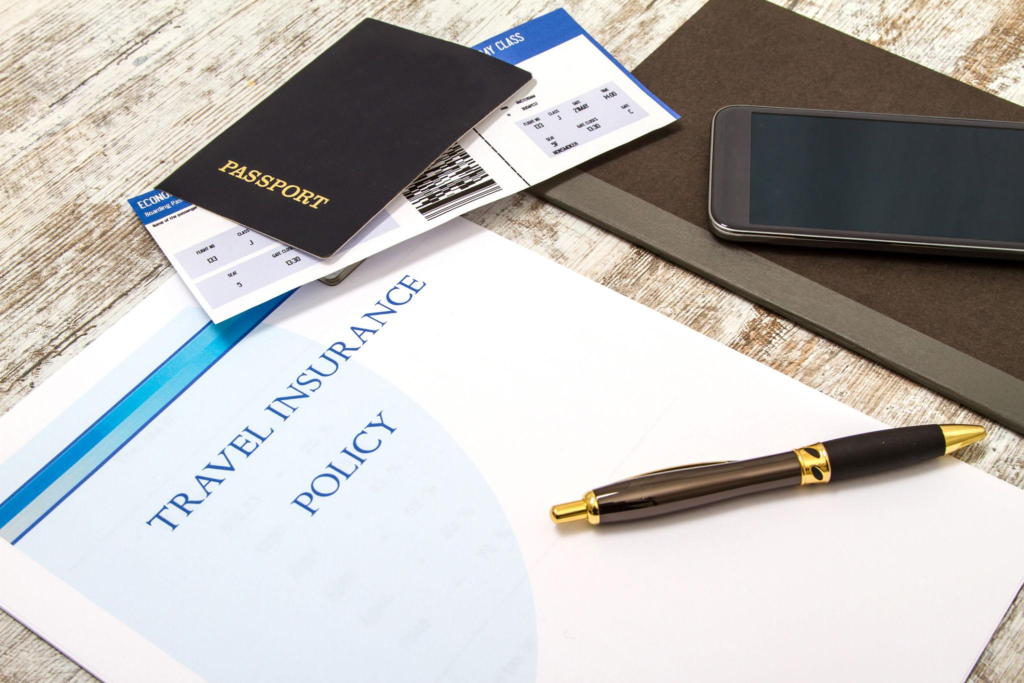
What Travel Insurance May Still Cover During War-Like Situations
Travel insurance can still work if the claim is unrelated to the conflict. For example, if you are stranded abroad because flights are suspended but you suffer a sudden appendicitis, food poisoning, or a fall inside the hotel, the medical claim may still be considered because the illness or accident did not happen because of war.
Here is a simple way to understand it:
- Not covered: Your return flight is cancelled because airspace is closed after military action.
- May be covered: You get hospitalised for a sudden non-conflict medical emergency while waiting for the next flight.
- Not covered: You cancel because you feel unsafe after news of escalation.
- May be covered: Your airline cancels due to a non-war operational reason and your policy includes that benefit.
This difference is small on paper but huge during a claim.
Why Buying Insurance Early Still Matters
Buying travel insurance early helps, but it does not automatically cover war after tensions rise. Once a conflict becomes public, insurers may treat it as a known event. Buying a policy after the situation has escalated may not protect you from losses linked to that same crisis.
A smart traveller should buy insurance soon after booking flights and hotels, not the night before departure.
But early purchase is not magic. You still need to read:
- War and hostilities exclusions
- Terrorism coverage
- Civil unrest wording
- Government advisory clauses
- Trip cancellation conditions
- Medical evacuation limits
- Policy extension rules
The mistake many people make is checking only the coverage amount. A ₹50 lakh medical cover looks impressive, but it may not help if the claim falls under a war exclusion.
Also read – Singapore Airlines Confirms 1GBPS Starlink Wi-Fi for 2027
War, Terrorism, Civil Unrest: Why The Label Matters
The exact label used for the event can decide whether your claim survives. Some policies may treat terrorism, strikes, riots, civil unrest, and war differently. A claim that is rejected as war-related may have been assessed differently if the event was classified under another covered risk, depending on the policy.
That is why travellers should not file vague claims.
Instead of writing, “Trip cancelled due to Middle East situation,” document the actual reason:
- Airline cancellation email
- Airport closure notice
- Government advisory
- Hotel extension bill
- New ticket receipt
- Messages from tour operator
- Insurer’s written response
- Boarding pass and itinerary
Claims teams look for cause, timing, and proof. The more specific your paperwork, the better your chance of getting a fair assessment.
What To Do If You Are Stranded Abroad During Conflict
Do not cancel everything in panic. Contact the airline, hotel, travel agent, and insurer before making big changes. Many travellers lose money by cancelling flights themselves when waiting for the airline to cancel could have given them refund, rebooking, or credit options. Insurance industry guidance also recommends contacting airlines or travel providers first because some costs may be recoverable directly from them.
Use this order:
- Check your airline app first – Look for free rebooking, refund, or route change options.
- Call your insurer before spending heavily – Ask what is covered and get the answer in writing.
- Extend your policy if your return is delayed – This may help preserve non-conflict medical cover.
- Keep every receipt – Food, hotel, transport, rebooking, and phone bills may be needed.
- Follow official advisories – Travelling against a government warning can weaken your claim.
- Avoid unnecessary movement – Safety comes before sightseeing or saving a hotel night.
- Register with your embassy where possible – It helps during evacuation or emergency coordination.
A practical tip from frequent travellers: keep a separate folder on your phone named Travel Claim Proof. Save screenshots there immediately. During disruption, emails disappear under stress, apps crash, and airport Wi-Fi becomes unreliable.
Should You Buy Medical Evacuation Cover?
Yes, medical evacuation cover is worth checking, but read the exclusions carefully. Some travellers assume evacuation cover means they will be flown home from any dangerous situation. That is not always true. Standard medical evacuation usually applies when you are medically unfit to continue travel and need transport for treatment. War-zone evacuation or security evacuation may require specialised cover.
Before buying, ask the insurer these direct questions:
- Does this policy cover medical evacuation unrelated to war?
- Does it cover non-medical evacuation from unsafe locations?
- Does cover apply if there is a government travel warning?
- Are war, invasion, hostilities, civil unrest, or military action excluded?
- Can I extend the policy if flights are suspended?
- What documents are needed for emergency assistance?
Do not accept a casual “yes, evacuation is covered.” Ask where it is written.
Also read – How to Set Price Alerts on Google Hotels to Find Cheap Deals
Real-Life Example: The Three-Night Hotel Trap
The most common loss in war-related travel chaos is not dramatic evacuation. It is boring, expensive waiting.
Imagine this: You are flying Mumbai to London through Doha. A regional conflict escalates overnight. Your connecting flight is cancelled. The airline puts you on standby but cannot confirm a seat for three days. You book a hotel near the airport, buy meals, and pay for local transport. Your total extra cost crosses ₹60,000.
You file a travel insurance claim.
The insurer asks why the flight was cancelled. If the airline notice says airspace restriction due to military activity, the claim may be rejected under war or hostilities exclusion. Even though you did nothing wrong, the trigger was excluded.
That is why the better move is to push the airline first for accommodation, rerouting, or written confirmation of passenger rights before assuming insurance will pay.
What Not To Do Before Filing A Claim
Do not weaken your own claim by acting without proof. During stressful travel disruption, people often make quick decisions that later hurt them.
Avoid these mistakes:
- Do not cancel flights yourself without checking airline refund rules.
- Do not throw away old boarding passes.
- Do not rely only on verbal promises from call centres.
- Do not buy a new ticket without saving the cancellation proof.
- Do not assume “premium” means “everything covered.”
- Do not travel to a high-risk region without checking advisories.
- Do not ignore the policy expiry date if you are stuck abroad.
The safest line to use with insurers is simple: “Please confirm in writing whether this expense is covered before I incur it.”
Best Traveller Checklist Before Visiting A Sensitive Region In 2026
Before travelling to any conflict-prone or tense region, check insurance like you check your passport. This is not fear-based travel planning. It is financial self-defence.
| Before You Travel | What To Check | Why It Matters |
|---|---|---|
| Policy exclusions | War, hostilities, unrest, terrorism | These decide claim rejection |
| Government advisories | Destination and transit country | Advisories can affect cover |
| Transit airports | Hubs near conflict regions | Even transit disruption can cost money |
| Airline flexibility | Free change, refund, reroute | Airline may help before insurance |
| Emergency contacts | Insurer, embassy, airline | Saves time during chaos |
| Policy extension option | Online or phone extension | Keeps medical cover active |
| Evacuation wording | Medical vs non-medical | Not all evacuation is equal |
Bottom Line: Travel Insurance Is Protection, Not A War Guarantee
Travel insurance is still important, but it is not designed to absorb large-scale war risk. It can help with personal emergencies, medical issues, baggage problems, and covered delays. It usually does not protect you from the financial fallout of conflict, military action, government restrictions, or war-linked airspace closures.
The smarter approach in 2026 is simple: buy insurance early, read the exclusions, check official advisories, keep flexible bookings, and speak to your insurer before travelling through tense regions.
Because when war disrupts travel, the most expensive surprise is often not the cancelled flight. It is finding out your insurance was never meant to cover that chaos in the first place.
Information verified by trusted souurces at https://www.business-standard.com/

