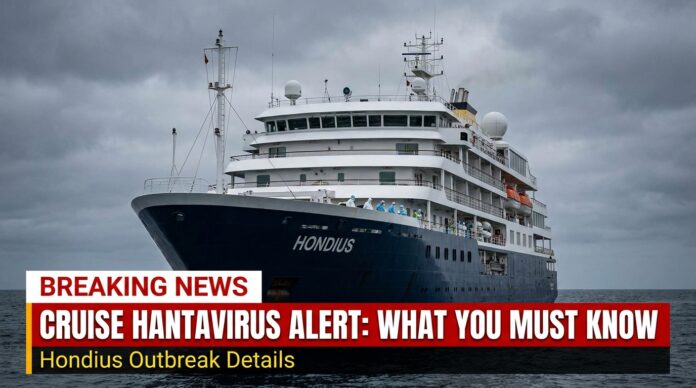
The Hondius cruise hantavirus outbreak is a rare Andes virus outbreak linked to the MV Hondius cruise ship, with 13 reported cases and three deaths as of the latest WHO update. The key point for travelers is simple: this is serious for people who were on the ship or had close contact with a confirmed case, but the risk to the general public remains low.
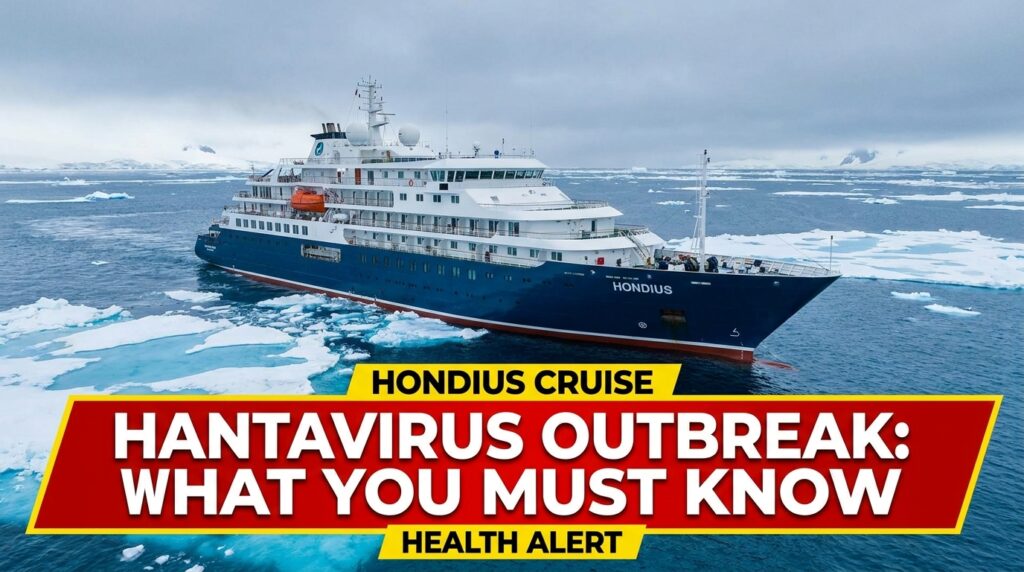
This story has made travelers nervous because cruise ships are shared spaces, and the word “hantavirus” sounds alarming. But this is not a typical cruise stomach bug, and it is not spreading like COVID. The virus involved is Andes virus, a rare hantavirus known for limited person-to-person spread, usually after close and prolonged contact.
What Is the Hondius Cruise Hantavirus Outbreak?
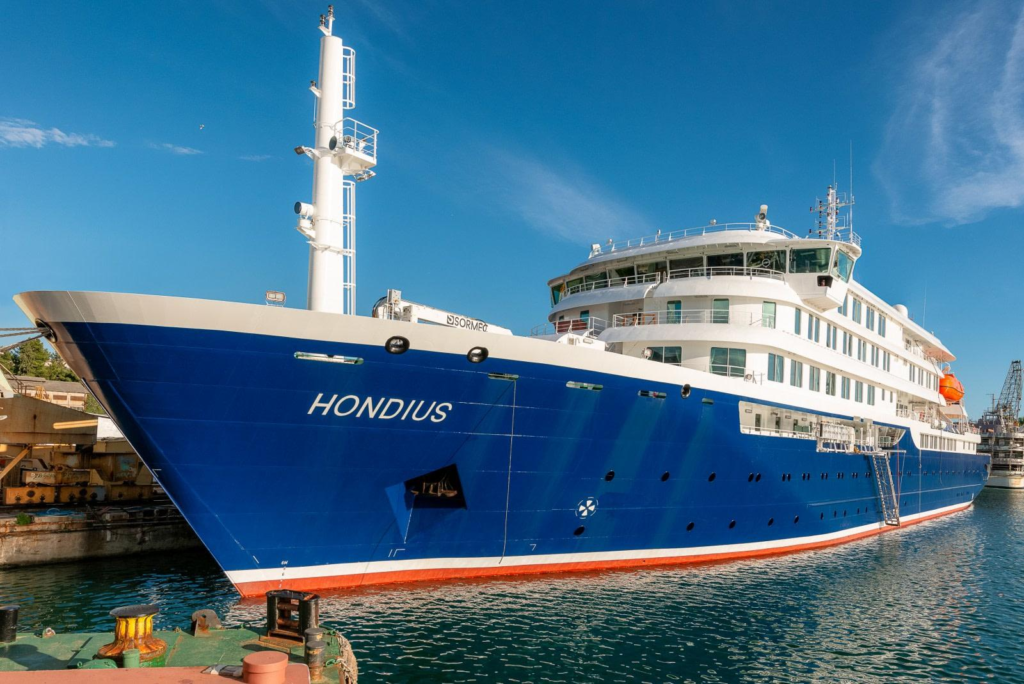
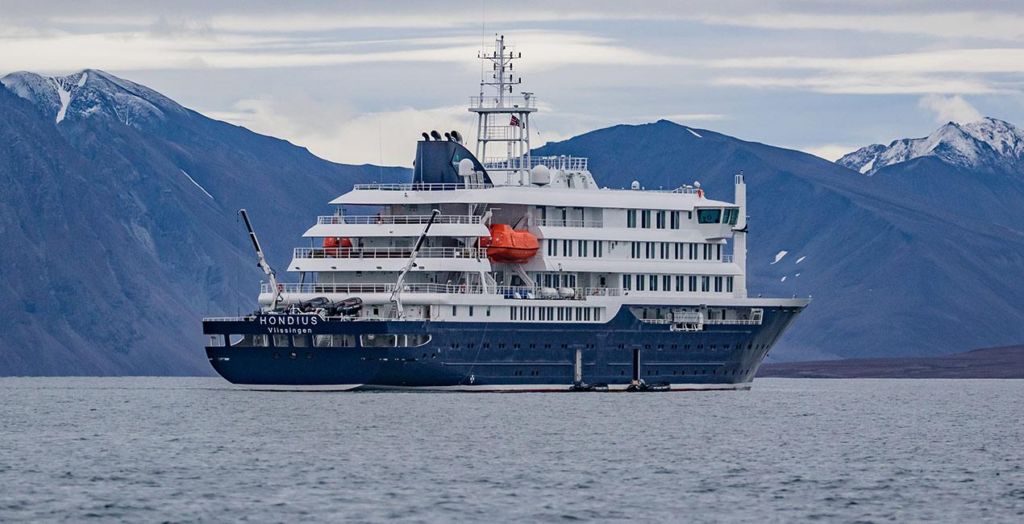
The Hondius Cruise hantavirus outbreak refers to a cluster of Andes virus infections among people who traveled on the MV Hondius, a Dutch-flagged expedition cruise ship.
Health authorities were alerted in early May 2026 after severe respiratory illness was reported among people linked to the ship. By late May, health agencies had reported:
| Key Detail | Latest Known Information |
|---|---|
| Ship involved | MV Hondius |
| Virus identified | Andes hantavirus |
| Reported cases | 13 total |
| Confirmed cases | 11 laboratory-confirmed |
| Probable cases | 2 |
| Reported deaths | 3 |
| Main risk group | Passengers, crew, and close contacts |
| Public risk level | Low |
The outbreak matters because Andes virus is unusual among hantaviruses. Most hantaviruses spread mainly through contact with infected rodents or contaminated dust. Andes virus can also spread between people in limited situations, especially where there has been close indoor contact.
Why Did This Outbreak Get So Much Attention?
The outbreak became a global concern because it happened on a cruise ship with passengers and crew from many countries. Once people disembarked or were repatriated, public health teams had to track contacts across borders.
That is why several agencies became involved, including WHO, ECDC, CDC, national health authorities, quarantine units, and port health teams.
For a traveler, the practical lesson is clear: a cruise outbreak does not end when the ship docks. If a disease has a long incubation period, monitoring continues for weeks after passengers go home.
Also read – Drunk Onboard? UK Flyers Could Be Banned From Every Flight
How Did Hantavirus Spread on MV Hondius?
The exact source is still under investigation, but health authorities believe the first infection may have happened before boarding, followed by likely person-to-person spread on the ship.
This does not mean everyone on the ship was equally at risk. Risk depends on details such as:
- Sharing a cabin with a sick person
- Providing care to someone who was ill
- Spending long periods in close indoor contact
- Exposure before infection-control measures began
- Whether protective equipment was used
The important detail is that Andes virus does not behave like highly contagious airborne diseases such as measles. Spread is usually limited and linked to close, prolonged exposure.
Is the Hondius Cruise Hantavirus Outbreak Dangerous for Travelers?
Yes, it can be dangerous for exposed people, but no, it does not mean cruise travel is broadly unsafe.
The concern is the illness itself. Andes virus can cause severe disease, including breathing difficulty, pneumonia-like illness, shock, and the need for intensive care. There is no approved specific antiviral treatment for hantavirus pulmonary syndrome, so severe cases require fast medical support.
For everyday travelers who were not on the MV Hondius and did not have close contact with a confirmed case, the current risk remains low.
Hondius Cruise Hantavirus Symptoms to Watch For
People linked to the MV Hondius outbreak were told to monitor symptoms because hantavirus can take weeks to appear.
Watch for:
- Fever
- Chills
- Muscle aches
- Fatigue
- Nausea, vomiting, diarrhea, or stomach pain
- Cough
- Chest pain
- Shortness of breath
- Sudden worsening after flu-like symptoms

A practical example: if someone came back from a cruise and developed fever plus breathing trouble two or three weeks later, they should not treat it like a normal cold. They should call a doctor or public health line first and explain the cruise exposure before going into a clinic.
What Should MV Hondius Passengers and Close Contacts Do?
Anyone who was on the MV Hondius or had close contact with a confirmed case should follow local health authority instructions.
The safest steps are:
- Do not ignore mild symptoms. Early fever, stomach upset, or body aches may still matter.
- Do not walk into a crowded clinic without warning. Call first so staff can prepare safely.
- Keep a written symptom log. Note temperature, cough, breathing changes, and fatigue.
- Avoid close contact if told to quarantine. This protects family members and caregivers.
- Follow the full monitoring period. High-risk contacts may be monitored for 42 days.
My practical travel suggestion: keep cruise documents, cabin numbers, shore-excursion details, and flight records for at least two months after returning from remote or expedition-style trips. In an outbreak, those small details help health teams understand who was actually exposed.
What Should Other Cruise Travelers Learn From This?
This outbreak is not a reason to panic, but it is a strong reminder to take health notices seriously on expedition cruises.
Before booking remote cruises, travelers should check:
| Traveler Question | Why It Matters |
| Does the ship have medical isolation plans? | Remote routes may be far from hospitals |
| What happens during a medical evacuation? | Evacuation can be slow and complex |
| Does travel insurance cover quarantine? | Many plans have exclusions |
| Are there rodent-control and hygiene protocols? | Hantavirus risk is linked to rodents |
| How does the operator communicate outbreaks? | Clear updates reduce confusion |
Expedition cruises often visit remote islands, polar areas, or small ports. That is part of the appeal, but it also means medical planning matters more than on a short city break.
Also read – The Real Impact of American Airlines 6 U.S. Route Suspension
What Not to Do During a Hantavirus Scare
Do not assume every cruise illness is hantavirus. Norovirus and respiratory infections are much more common on ships.
Do not share unverified passenger rumors as fact. In outbreaks, early numbers change as testing improves.
Do not break quarantine because you feel well. With Andes virus, the incubation period can be long, and symptoms may appear weeks after exposure.
Do not self-medicate severe breathing symptoms. Shortness of breath after possible exposure needs urgent medical advice.
Quick Answers: Hondius Cruise Hantavirus Outbreak FAQs
Is hantavirus contagious between people?
Most hantaviruses are not known for person-to-person spread, but Andes virus can spread between people in limited situations, usually after close and prolonged contact.
Is the Hondius outbreak still a risk?
The main risk is for passengers, crew, and identified contacts. Health authorities continue monitoring exposed people because symptoms can appear weeks later.
Can you get hantavirus from a cruise ship now?
The general public risk remains low. Risk is linked to specific exposure, not cruise travel in general.
What is the biggest warning symptom?
Breathing difficulty is the symptom that should never be ignored, especially after fever, body aches, or stomach symptoms.
Bottom Line: What You Must Know About the Hondius Cruise Hantavirus Outbreak
The Hondius cruise hantavirus outbreak is a serious but contained public health event. It involved Andes virus, a rare hantavirus that can cause severe illness and limited person-to-person spread after close contact.
For readers, the most useful takeaway is this: know your exposure risk, watch symptoms for the full advised period, and contact health authorities early if symptoms appear. For everyone else, the current public risk remains low, and routine daily life does not need to change.
Trusted Sources of Information Used for This Report
World Health Organization and U.S. Centers for Disease Control and Prevention

