Skiplagging can save money, but in 2026 it is not the harmless flight hack many travelers think it is. I learned that the uncomfortable way when an airline employee spotted the weak point in my hidden-city itinerary before I even reached the gate.
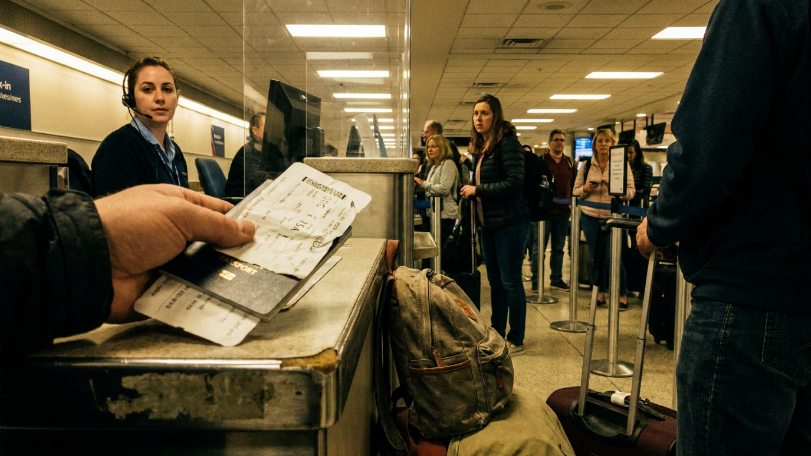
I had booked a one-way flight where my real destination was the layover city, not the final city printed on the ticket. That is the basic idea behind skiplagging, also called hidden-city ticketing. You buy a cheaper connecting ticket, get off during the layover, and skip the last flight.
It sounds simple. In the airport, it felt much less clever.
What Is Skiplagging in 2026?
Skiplagging means booking a connecting flight and intentionally getting off at the layover instead of flying to the ticketed final destination. For example, a traveler who wants to go from City A to City B might book City A to City C with a stop in City B, then leave the airport at City B.
The reason people do it is simple: airline prices are not based only on distance. A longer connecting route can sometimes be cheaper than a shorter nonstop route. A 2023 study in Transportation Research Part E found that hidden-city ticketing is tied to route competition, last-week bookings, and large hub-and-spoke airlines such as American, Delta, and United.
That explains why the trick exists. It does not mean airlines accept it.
Why I Tried a Hidden-City Ticket
I tried skiplagging because the price gap was too big to ignore. The direct flight to my actual city was much higher than a connecting ticket that stopped there. I was traveling light, had no checked bag, and told myself this was just a smart travel shortcut.
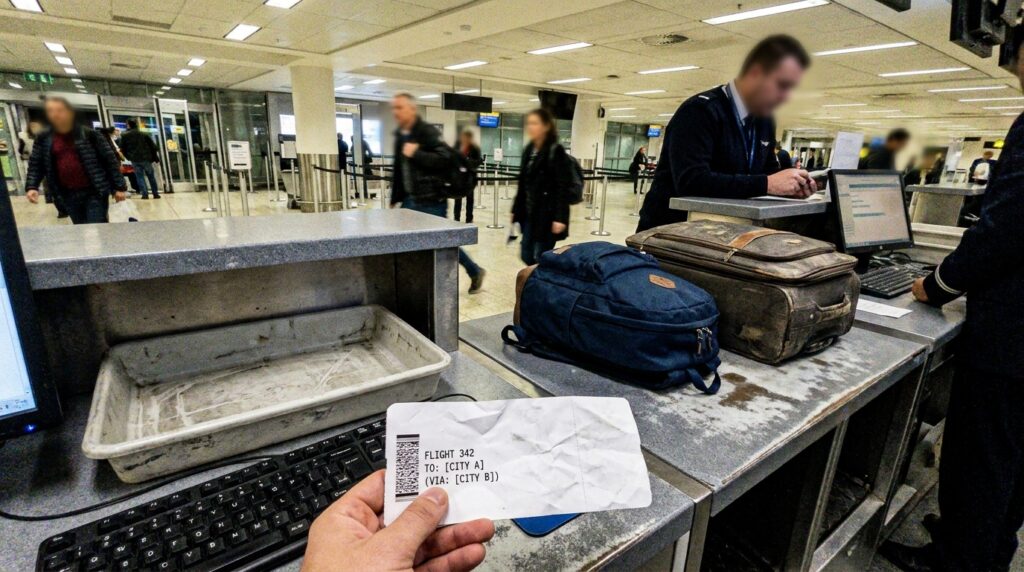
That confidence lasted until check-in.
I had one small backpack and one carry-on. No loyalty number. No checked luggage. One-way ticket only. I had read enough warnings to know that checked bags usually go to the final destination, not the layover city. AP also notes that travelers using this tactic usually avoid checking bags and often book one-way tickets because airlines may cancel the rest of an itinerary after a skipped segment.
Still, the risk was not theoretical. It was right there at the counter.
How the Airline Caught My Skiplagging Plan
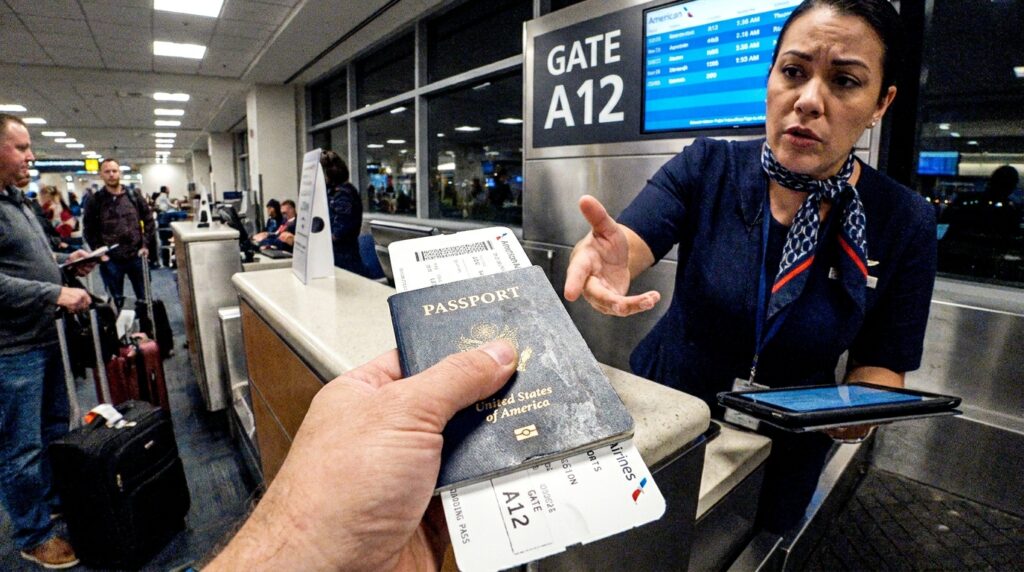
The airline caught me because my behavior did not match my ticket. The agent asked if I was checking a bag to the final destination. I said no. Then came the question that changed the tone of the trip: “You are continuing on to your final city, correct?”
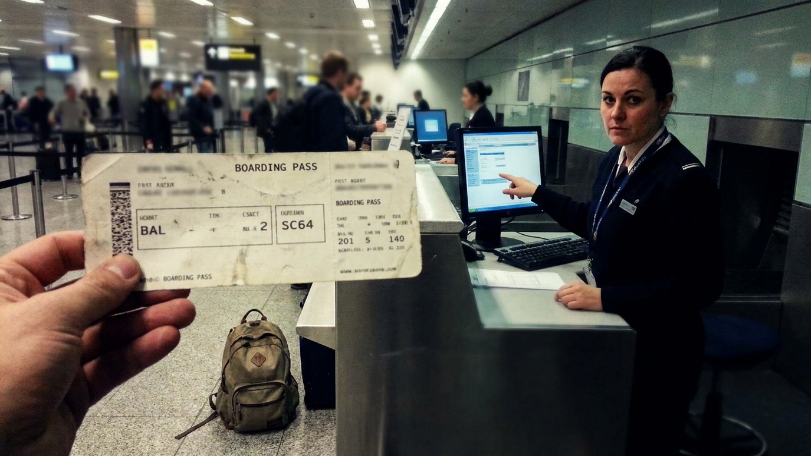
That question sounded routine, but it was not casual. My layover city was a major hub. My final city was a smaller onward destination. I was carrying light luggage, flying one-way, and asking too many route-specific questions.
I did not argue. I said I might not continue if plans changed. The agent explained that intentionally skipping a flight can violate the ticket rules and may cause problems with the rest of the reservation.
That was the moment the “cheap flight trick” stopped feeling like a trick and started feeling like a contract problem.
What the Airline Actually Did When They Caught Me
The airline did not fine me on the spot, but they made the risk very clear. I was allowed to board the first flight, but the warning was direct: if I missed the onward segment intentionally, the unused part of my ticket could be canceled, and future travel with the airline could be affected depending on the circumstances.
That matches what major airlines publish in their own rules.
American Airlines says reservations made to exploit or get around fare rules are prohibited, including buying a ticket without intending to fly all flights to gain lower fares, which it names as hidden-city ticketing. American also says it may cancel unused parts of the ticket, refuse to let the passenger fly or check bags, refuse refunds, or charge what the ticket would have cost without the prohibited booking practice.
Delta’s ticket rules also prohibit point-beyond ticketing, meaning using a fare to a point beyond the passenger’s actual destination. Delta lists possible consequences including canceling the rest of the itinerary, refusing boarding or checked baggage, and charging the fare difference.
United’s current contract language also identifies hidden-city or point-beyond ticketing as prohibited by the airline.
Is Skiplagging Illegal in 2026?
Skiplagging is generally discussed as a contract issue, not a criminal issue. AP has reported that skiplagging is generally not illegal, but airlines say it violates their policies.
That distinction matters.
You are unlikely to be treated like someone committing a crime just because you missed a flight segment. But when you buy a ticket, you agree to the airline’s contract of carriage. The U.S. Department of Transportation explains that each airline has its own contract of carriage, which is the legally binding contract between the carrier and passengers.
So the better question is not, “Can police arrest me for skiplagging?” The better question is, “Can the airline punish me under its own ticket rules?” The answer is yes, especially if the airline believes you booked with intent to skip.
The Real Risks of Skiplagging Most People Miss
The biggest skiplagging risks are practical, not dramatic. The internet makes it sound like the only danger is getting banned. In real travel, smaller problems can ruin the trip faster.
| Skiplagging risk | What it means in real life |
|---|---|
| Checked bag problem | Your bag usually goes to the final ticketed city, not the layover |
| Gate-check risk | Even a carry-on can be taken at the gate if overhead bins are full |
| Return flight canceled | If you skip one leg, later legs on the same booking can disappear |
| Rebooking problem | If the first flight is delayed, the airline may reroute you through a different city |
| Loyalty account risk | Repeated use can draw attention to your frequent flyer account |
| Fare difference charge | Some airlines reserve the right to charge what the trip should have cost |
The gate-check risk is the one I kept thinking about. I had packed light, but the flight was full. If the crew had forced me to gate-check my carry-on, it could have gone to the final city on my ticket. At that point, saving money would have turned into losing my luggage on purpose.
What I Would Never Do Again
I would not use skiplagging on an important trip, a family trip, or any trip with checked luggage. The savings have to be weighed against the stress. A cheap ticket is not cheap if it costs you a hotel night, a missed meeting, or a fight with customer service.
Here is my personal rule after trying it:
- Never skiplag with checked bags. It creates the fastest path to a travel mess.
- Never use it on a round trip. The airline can cancel later segments.
- Never attach a loyalty number. It can make repeat behavior easier to track.
- Never do it internationally without checking passport and visa rules. You may need documents for the ticketed final destination.
- Never lie aggressively to airline staff. If the plan is already falling apart, do not make it worse.
Condé Nast Traveler also notes that skiplagging can save money but carries real risks, including future airline action and travel disruption.
Better Ways to Save on Flights Without Skiplagging
The safer move is to beat airfare pricing without breaking ticket rules. I still look for cheaper flights, but I now start with cleaner methods.
Try these before hidden-city ticketing:
- Search nearby airports within 60 to 120 miles.
- Compare one-way tickets on different airlines instead of only round trips.
- Use flexible dates because one day can change the fare sharply.
- Book earlier for peak travel and track prices before buying.
- Check baggage fees before choosing a low fare.
- Use refund and change rules carefully when plans are uncertain.
Also remember this: if an airline cancels or significantly changes your flight, U.S. refund rules may give you stronger options than a hidden-city workaround. The DOT says airlines must provide refunds when owed for canceled or significantly changed flights if the traveler does not accept alternatives.
My Honest Verdict: Is Skiplagging Worth It in 2026?
Skiplagging is only worth considering if the savings are huge, the trip is flexible, and you fully accept the airline risk. Even then, I would treat it as a last resort, not a go-to travel strategy.
When I walked out at my layover city, I did save money. But I also spent the whole flight watching the overhead bins, wondering if my bag would be taken, and replaying the agent’s warning in my head.
That is the part people do not put in viral travel tips.
Skiplagging looks smart on a fare search page. It feels different when an airline employee looks at your ticket, looks at your bag, and knows exactly what you are trying to do.
Quick Answers for Travelers Searching This Topic
Is skiplagging allowed by airlines?
No, many major airlines prohibit it in their ticket rules.
Can an airline cancel my return flight for skiplagging?
Yes, if your skipped segment is part of the same itinerary, later segments can be canceled.
Can I check a bag while skiplagging?
No, not safely. Your bag is normally tagged to the final destination on the ticket.
Can I get banned for skiplagging?
It is possible, especially for repeated use or clear fare-rule abuse, though the more common risks are canceled segments, fare differences, and account scrutiny.
Is skiplagging a good travel hack in 2026?
It can save money, but it is risky enough that I would not use it for any trip that truly matters.

