The U.S. Embassy Caracas has issued a fresh Venezuela travel advisory, and the main message is clear: U.S. travelers should reconsider travel to Venezuela right now. The latest U.S. State Department Venezuela Travel Advisory places the country at Level 3: Reconsider Travel because of crime, kidnapping, terrorism, poor health infrastructure, and natural disaster risks.
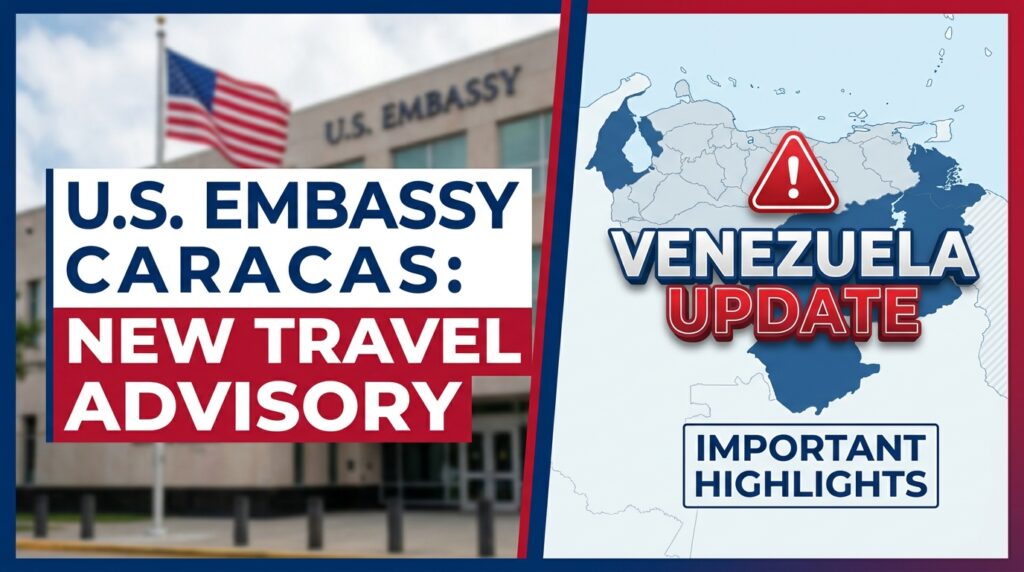
The advisory was issued on June 27, 2026, just days after Venezuela experienced a powerful foreshock and earthquake on June 24, which disrupted transport, infrastructure, and emergency services.
Is Venezuela Safe To Travel To Right Now?
Venezuela is not a normal-risk travel destination right now. The advisory does not ban travel, but it tells Americans to think seriously before going, especially if the trip is not essential.
The warning is not just about one issue. It combines several risks that can affect a traveler in real life:
| Travel risk | What it means for visitors | Smart action |
|---|---|---|
| Crime and kidnapping | Armed robbery, kidnapping, and violent crime occur in some areas | Avoid showing wealth and do not resist robbery |
| Natural disaster | Earthquake damage may affect roads, airports, and emergency response | Confirm transport and lodging before moving |
| Health infrastructure | Hospitals may lack medicine, staff, water, or electricity | Carry prescriptions and buy evacuation insurance |
| Terrorism | Terrorist and armed groups operate in border areas | Avoid listed Level 4 regions completely |
| Visa rules | No visa on arrival for U.S. travelers | Get a valid Venezuelan visa before travel |
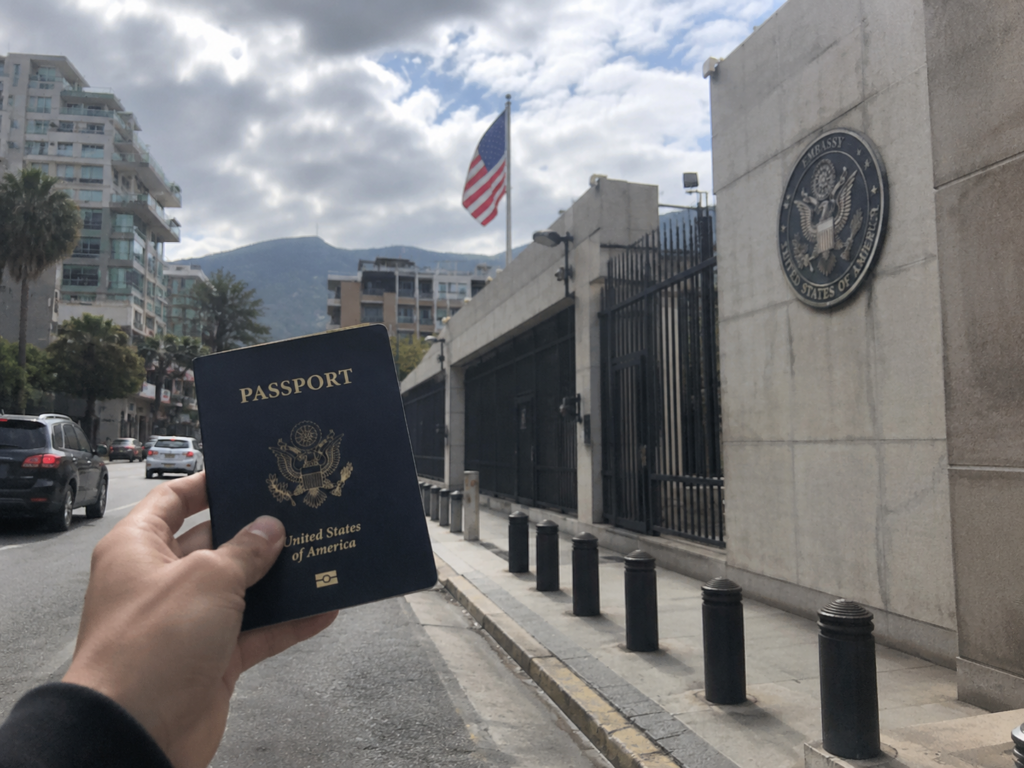
Which Areas In Venezuela Are Under “Do Not Travel”?
Several parts of Venezuela carry a stricter Level 4: Do Not Travel warning. These are places where the risk is high enough that travelers should not go for tourism, business, family visits, or short side trips.
Avoid these areas:
- Venezuela-Colombia border region, within 20 miles of the border
- Amazonas state
- Apure state
- Aragua state outside Maracay
- Rural areas of Bolívar state
- Guárico state
- Táchira state
A practical rule: if your route touches a border area, remote rural road, or informal crossing, treat it as unsafe. Even a “quick visit” can become difficult if transport breaks down, phones lose signal, or local conditions change without warning.
Also read – TICO Warns Ontarians for Unregistered Jo Albe Travel Co Inc
Why Did The Venezuela Travel Advisory Change?
The fresh advisory adds natural disaster concerns after the June 24 earthquake and foreshock. According to official travel guidance, the quake caused disruption to transportation, infrastructure, and emergency services.
For travelers, this matters in simple ways. A hotel may be open but short on water. A road may show as clear on a map but be blocked locally. A driver may promise a route is “fine,” but local authorities may be managing closures.
Before moving between cities, check:
- Airline and bus operator updates
- Hotel access and power status
- Local authority instructions
- Road conditions from trusted local contacts
- Whether emergency care is actually available nearby
For earthquake safety basics, review Ready.gov earthquake guidance, especially what to do during aftershocks and when to avoid damaged buildings.
Do U.S. Citizens Need A Visa For Venezuela?
Yes, U.S. travelers need a valid Venezuelan visa before arrival. The advisory says visas are not available on arrival, and travelers without proper documents may face refusal, expulsion, or detention.
Before booking, prepare:
- A U.S. passport with at least six months of validity
- At least two blank passport pages
- A valid Venezuelan visa
- Proof of accommodation
- Onward travel details
- Enough funds for the stay
Do not rely on airport negotiation, “someone knows someone” help, or last-minute document fixes. Venezuela is not a place where paperwork problems are easy to solve after landing.
Caracas Airport Safety: What Travelers Should Do
The riskiest moment for many visitors can be the first hour after landing. The advisory warns about unregulated taxis from Maiquetía Simón Bolívar International Airport, which serves Caracas, and about security risks near airport ATMs.
Use this simple airport plan:
- Book a hotel car, company driver, or trusted dispatch taxi before landing.
- Confirm the driver’s name, car plate, and pickup point in writing.
- Agree on the fare before your bags go into the vehicle.
- Do not use random taxi offers inside or outside the terminal.
- Avoid airport ATMs when possible.
- Keep jewelry, watches, laptops, and cameras out of sight.
A real-world example: if a driver says the original pickup area is “closed” and asks you to walk to a darker outer road, stop and call your hotel or host. A small delay is safer than stepping into an unverified ride.
Also read – The One Street in Naples You Must Avoid After 10 PM
Health Risks In Venezuela: What To Pack Before You Go
Travelers should not depend on Venezuela’s health system for serious care. The advisory notes shortages of medicine, equipment, and medical staff, especially outside major cities.
The CDC Venezuela traveler health page also recommends malaria prevention medicine for certain areas. Mosquito-borne diseases such as dengue, yellow fever, chikungunya, zika, and malaria are concerns.
Pack this before departure:
- Prescription medicines for the full trip plus extra days
- Basic fever, stomach, and allergy medicine
- Oral rehydration salts
- Mosquito repellent
- Long-sleeve light clothing
- Copies of prescriptions
- Medical evacuation insurance
Do not drink untreated water. In rural areas, use sealed bottled water even for brushing teeth if your accommodation cannot confirm safe water.
What Should U.S. Citizens Do Before Traveling To Venezuela?
Travelers who still decide to go should build an emergency plan before departure. Enroll in the Smart Traveler Enrollment Program so the U.S. government can send alerts and contact you or your emergency contact in a crisis.
Use this safety checklist:
- Share your route with family before you travel.
- Set a daily check-in time.
- Create a proof-of-life question only close family knows.
- Keep copies of your passport, visa, and insurance offline.
- Do not display expensive phones, watches, or jewelry.
- Avoid public transportation and nighttime travel between cities.
- Keep a departure plan that does not depend on U.S. government evacuation.
What If A Passport Is Lost In Venezuela?
Act fast if your passport is lost or stolen. Contact U.S. citizen emergency services and report the loss to local authorities where practical. The U.S. Embassy Caracas is offering emergency services only, and help outside Caracas is limited.
A safer approach is prevention:
- Keep your passport in a secure place.
- Carry a paper copy, not the original, for routine checks when possible.
- Keep digital copies in encrypted cloud storage.
- Do not pack your passport or visa documents in checked luggage.
Bottom Line: Should Americans Travel To Venezuela Now?
Americans should reconsider travel to Venezuela unless the trip is essential and carefully planned. The Level 3 advisory means the risk is serious, while several regions are under Level 4 warnings where travelers should not go at all.
The best travel decision right now is practical, not emotional. If you must travel, go with verified documents, trusted transport, medical backup, emergency contacts, and a clear exit plan. If the trip is optional, postponing is the safer choice.

