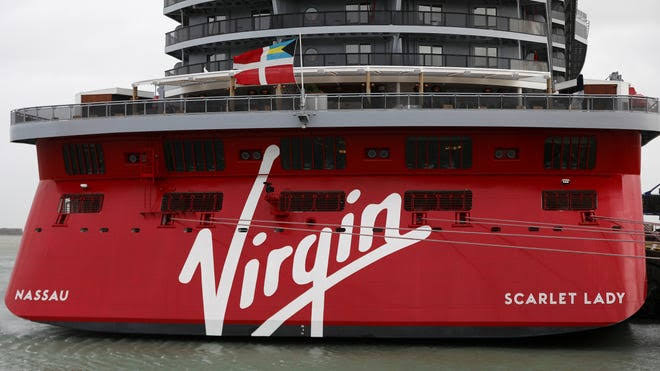
Turkish authorities have officially barred an LGBTQ+ cruise carrying nearly 2,000 predominantly American passengers from docking at its ports. The Virgin Voyages’ Scarlet Lady, operating a chartered Mediterranean voyage for Atlantis Events, was scheduled to stop in Kuşadası and Istanbul this week. Instead, officials canceled the port calls at the last minute, citing “moral values.”
If you are a passenger currently sailing, or an LGBTQ+ traveler wondering how this impacts your future travel plans, here is exactly what happened behind the scenes, where the ship is heading instead, and what this means for international cruise tourism in 2026.
Why Did Turkey Ban the Atlantis Events Cruise?
The ban stems directly from the passenger demographic on board. Officials in Turkey’s Aydın province issued a statement claiming the 10-day “Athens to Venice” cruise was chartered by groups “known for behavior incompatible with the fabric of our society and our moral values.”
This is a massive shift in international travel norms. Rich Campbell, CEO of Atlantis Events—the company that organized the trip—stated this is the very first time in their 36-year operating history that a ship has been explicitly denied berthing rights solely because of the identity of its passengers.
Here is a quick breakdown of the exact situation:
| Cruise Component | Details & Status |
| The Ship | Scarlet Lady (Operated by Virgin Voyages) |
| The Organizer | Atlantis Events (US-based LGBTQ+ travel company) |
| Passenger Count | ~1,900 passengers (roughly 1,100 from the US) |
| Banned Ports | Kuşadası and Istanbul, Turkey |
| Estimated Revenue Lost | Over $1 million in local tourism spending |
Despite extensive negotiations and assistance from the U.S. Embassy in Ankara, the Turkish government refused to reverse its decision.
Also read – Disney Cruise Bans Cabin Door Décor After Safety Row
What Happens to the Scarlet Lady’s Itinerary Now?
When a country denies entry, cruise organizers must scramble to secure alternative ports that can safely accommodate a massive vessel on zero notice. The Scarlet Lady is no longer heading to Turkey.
Instead, the revised itinerary will take passengers to Cairo (Alexandria), Egypt, and the Greek island of Crete. Atlantis Events informed guests that these changes were made due to circumstances entirely beyond their control.
Broadway icon Patti LuPone, who is performing onboard the sailing, expressed the frustration felt by many passengers. Taking to social media, she wrote: “I am furious, but I am sailing, as the ship will make other ports of call. I am ready to perform for all the wonderful men on this Atlantis cruise, who deserve so much better than this.”
Also read – Canada Cruise Sewage Ban Could Slash Ticket Prices
What to Do (and What Not to Do) If Your Cruise Is Rerouted
As someone who has navigated sudden itinerary changes on international waters, I know how jarring it can be when the destination you paid for vanishes from the schedule. Here is what you need to do when your cruise gets unexpectedly rerouted:
What to Do:
- Check your port taxes. When a cruise skips a port, the port fees you paid upfront are legally required to be refunded to your onboard account as a non-refundable credit or returned to your credit card. Verify this at the guest services desk.
- Cancel independent excursions immediately. If you booked third-party tours in Turkey (not through the cruise line), contact the operators right away. Most reputable companies offer full refunds if a ship fails to dock.
- Embrace the new destination. Getting a full day in Cairo or Crete is an incredible alternative. Book the cruise line’s official excursions for these new stops, as they are guaranteed to get you back to the ship on time.
What Not to Do:
- Do not take it out on the crew. The captain and the guest services staff have zero control over sovereign government bans.
- Do not assume you are entitled to a full cruise refund. The cruise contract you signed (often called the Ticket Contract) explicitly gives the cruise line the right to alter itineraries for safety, weather, or political reasons without issuing a full refund.
Also read – 20 Greece Island Hopping Experiences Ranked from Best …
Is It Safe for LGBTQ+ Travelers to Visit Turkey in 2026?
The harsh reality is that the climate for LGBTQ+ individuals in Turkey has become increasingly hostile under President Recep Tayyip Erdoğan’s government. Pride marches in major cities like Istanbul have been strictly banned for nearly a decade, citing “public security,” and anti-LGBTQ+ rhetoric from officials has intensified.
While same-sex relationships are not technically illegal in Turkey, the government’s recent actions—including this highly public cruise ban—send a clear message. If you are an LGBTQ+ traveler considering a trip to Turkey, you must weigh the risks.
My personal suggestion: If you still plan to visit, practice strict situational awareness. Limit public displays of affection, stick to highly touristed areas, and avoid participating in any local political demonstrations. However, as Rich Campbell noted, when a country begins picking and choosing which tourists are allowed in, travelers often prefer to spend their money in destinations that actually welcome them.

