Buying a second citizenship purely for visa-free travel to Europe is becoming a much riskier bet. Immigration specialists are urging wealthy families to judge a passport by its long-term legal, financial and family value rather than by the number of European destinations it opens today.
That advice has become more relevant as the European Union tightens scrutiny of citizenship-by-investment programs, particularly schemes that grant nationality mainly in exchange for money without a strong connection to the country.
Why is buying citizenship for Europe visa-free access risky?
Visa-free access is a privilege that governments can change or remove. The EU’s updated visa-suspension rules specifically allow action where a third country operates an investor citizenship scheme for people with no genuine link to that country. The Council of the European Union explains the new mechanism here.
That changes the calculation for anyone considering a six-figure passport purchase.
A passport that offers Schengen access when you apply may not offer exactly the same access years later.
Which Caribbean citizenship programs are under EU pressure?
Five Eastern Caribbean countries with citizenship-by-investment programs are facing direct EU pressure over the future of those schemes: Antigua and Barbuda, Dominica, Grenada, Saint Kitts and Nevis, and Saint Lucia.
Antigua and Barbuda’s government confirmed that the European Commission formally asked it to phase out its citizenship-by-investment program by June 1, 2028, and said the other four states had received similar correspondence. Read the Antigua and Barbuda government statement.
That does not mean every passport issued by these countries has suddenly lost European access. It does mean buyers should stop treating current visa-free lists as permanent guarantees.
Also read – 9 Spectacular European Cities That Worth Your One Day
What happened to Vanuatu shows the real risk
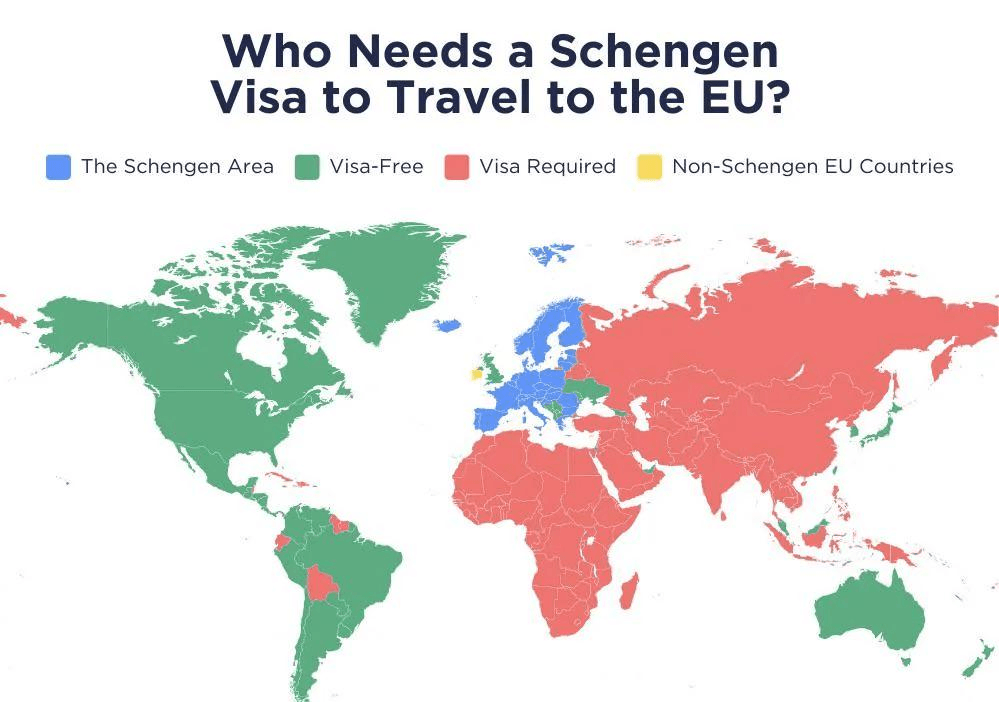
Vanuatu is the clearest warning for passport investors. The EU first suspended and later ended Vanuatu’s visa exemption because of concerns linked to its investor-citizenship schemes.
The Council said those programs allowed people who would otherwise require visas to obtain Vanuatu citizenship through investment and then gain visa-free EU entry. The EU formally removed Vanuatu from its visa-exempt list in December 2024.
For an investor, that is the lesson worth remembering: mobility benefits can disappear even after the passport has been issued.
Also read – Tried & Tested Cheapest Ways to Travel in Europe …
What should you check before buying a second citizenship?
Start with your family’s actual problem, not a passport-ranking chart.
| Question to ask | Why it matters |
|---|---|
| Would I still want this citizenship without Schengen access? | Tests its long-term value |
| Can the program survive political pressure? | Rules can change |
| What are my tax obligations? | Citizenship and tax residence are different issues |
| Can my spouse and children retain citizenship? | Family rules vary |
| Is there a residence requirement? | Some programs require genuine presence |
| How strong is the due-diligence process? | Reputation affects future acceptance |
A practical example: imagine a business owner paying hundreds of thousands of dollars mainly to avoid repeated European visa applications. If that passport later loses visa-free access, the original reason for buying it disappears—but the acquisition cost does not.
Does visa-free Europe let second-passport holders live in the EU?
No. Visa-free travel is not the same as residence, employment or EU citizenship.
For most visa-exempt non-EU nationals, Schengen travel generally means short stays of up to 90 days in any 180-day period. It does not automatically give someone the right to relocate to France, work in Germany or permanently settle in Italy. EU visa-policy guidance explains the 90/180-day rule.
This distinction is frequently lost in investment-migration marketing.
What makes a second passport worth buying in 2026?
The strongest second citizenship is one that still serves your family even if one travel privilege disappears.
Look for value across several areas:
- Long-term family security
- Business and banking practicality
- Political stability
- Inheritance and succession planning
- Tax consequences
- Ability to live or establish genuine ties there
- Strong international reputation
- Predictable renewal and documentation rules
Immigration executive Eric Major has argued that internationally mobile families should approach second citizenship strategically rather than selecting a country solely because it currently provides visa-free access to one region.
That is increasingly sensible advice.
A passport should be treated as a long-term legal relationship with a country—not an expensive shortcut through an airport immigration queue.

