
Summer flights are more expensive this year because airfare, fuel, hotels, and general travel costs are all rising at the same time. For travelers flying from the U.S., average fares have climbed by as much as 31% for domestic trips and 22% for international trips compared with the same weeks in 2025, based on KAYAK search data cited in the latest airfare report of Reuters.

The real question is not only “Why are summer flights so expensive in 2026?” It is “Should I book now, wait, change destination, drive, take the train, or shorten the trip?” Here is the clear answer: book only when the fare fits your budget ceiling, stay flexible on dates, check nearby airports, and avoid waiting blindly for a miracle price drop.
Why Are Summer Flights So Expensive This Year?
Summer flights are expensive because airlines are facing higher fuel costs, stronger peak-season demand, and a travel market split between budget travelers and higher-income travelers. The U.S. Consumer Price Index rose 3.8% year over year in April 2026, while the energy index rose 17.9% and gasoline rose 28.4%, putting pressure on the broader travel budget.
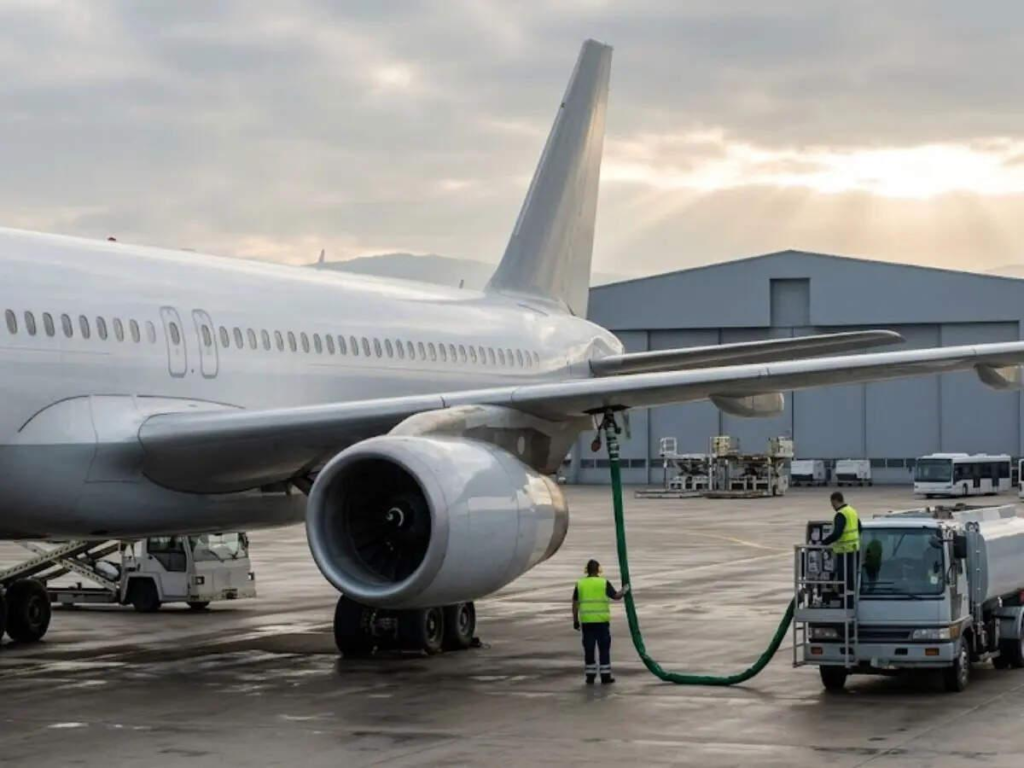
For airlines, fuel is one of the biggest operating costs. When fuel rises, the increase often shows up in ticket prices, added fees, and fewer cheap seats. The latest travel data also shows airline fares rose 20.7% year over year in April, while hotel prices increased 4.3%, making the full trip cost heavier, not just the flight.
How Much Have Summer Flight Prices Increased?
The sharpest reported increase is on U.S.-origin domestic flights, where average fares are up by as much as 31%. International fares from the U.S. are also higher, rising by as much as 22% compared with the same weeks last year.
| Travel cost signal | What changed in 2026 | What it means for travelers |
|---|---|---|
| U.S.-origin domestic airfare | Up as much as 31% | Short summer trips may feel surprisingly expensive |
| U.S.-origin international airfare | Up as much as 22% | Europe, Asia, and long-haul trips need tighter planning |
| U.S. airline fares index | Up 20.7% year over year in April | Fare pressure is broad, not limited to one route |
| U.S. energy index | Up 17.9% year over year in April | Fuel costs are feeding into travel prices |
| U.S. hotel prices | Up 4.3% year over year | Flight savings can disappear if hotels are ignored |
Are Domestic Flights More Expensive Than International Flights?
Domestic flights are seeing the bigger reported jump, but international trips still hurt more because the base fare is usually higher. A 22% increase on a long-haul ticket can be more painful than a 31% increase on a shorter route.
For example, if a domestic round trip was $300 last summer, a 31% increase makes it about $393. If an international round trip was $1,000, a 22% increase makes it about $1,220. The percentage is lower, but the extra cash needed is much higher.
That is why travelers should compare the total trip cost, not only the airfare. A cheaper flight to a pricier hotel city can cost more than a slightly higher fare to a destination with affordable stays, food, and local transport.
Also read – The Real Impact of American Airlines 6 U.S. Route Suspension
Who Is Being Hit Hardest by Higher Summer Airfares?
Budget-conscious travelers are being hit hardest because economy fares and basic vacation costs are rising together. A recent travel report noted that many lower- and middle-income travelers are delaying bookings, choosing domestic destinations, considering cruises, or switching to road trips. Premium demand, meanwhile, has stayed stronger.
One real-life pattern is easy to recognize: a traveler plans a dream trip, checks fares, waits a week, checks again, and then realizes the “cheap window” never arrived. In one reported example, a young traveler dropped a Spain trip after airfare was around double what he expected to pay. Group trips are also feeling the pressure, with some travelers dropping out when flight prices make the full vacation unrealistic.
Should You Book Summer Flights Now or Wait?
Book now if the fare is within your personal budget ceiling; wait only if your dates and destination are flexible. Waiting can work when you are open to shifting your trip by a few days, flying into a nearby airport, or changing the destination completely. Waiting is risky when you must travel on a fixed weekend, school holiday, wedding date, cruise departure, or festival week.
Use this simple rule:
- Fixed date, fixed destination: book when the price is acceptable, not perfect.
- Flexible date, fixed destination: track prices for nearby weekdays.
- Flexible date and destination: compare several cities and book the route that drops first.
- Group or family trip: book earlier because four cheap seats disappear faster than one.

How to Find Cheaper Summer Flights in 2026
The best way to save is to stop searching one exact trip and start searching several versions of the same trip. KAYAK says its tools help travelers compare dates, track price changes, and explore destinations based on budget and timing.
Try these practical moves before paying:
- Check Tuesday, Wednesday, and Saturday departures. These days often avoid the heaviest leisure demand.
- Search nearby airports. A 90-minute drive can sometimes save hundreds on a family booking.
- Compare one-stop flights with nonstop flights. Nonstop is convenient, but this summer convenience is expensive.
- Set price alerts, but also set a limit. Decide your maximum fare before emotions take over.
- Avoid short weekend trips by air. Two-night trips are harder to justify when fares are inflated.
- Look at late August or early September. Families return to school, and some peak demand cools.
- Price the whole trip before booking. Flight, hotel, baggage, seat selection, airport transfer, meals, and insurance all matter.
What Travelers Should Not Do This Summer
Do not assume last-minute flights will get cheaper. That old trick is unreliable during a high-cost summer, especially when airlines know people still need to travel for weddings, family visits, cruises, and school breaks.
Also avoid these mistakes:
- Do not book a cheap flight with a terrible layover unless you can handle a delay, missed connection, or overnight airport stay.
- Do not ignore baggage fees. A “cheap” basic fare can become expensive after bags and seat selection.
- Do not chase one destination only. If Paris, Orlando, or New York is too expensive, compare nearby or similar destinations.
- Do not wait as a group. The longer a family of four waits, the less likely all four seats stay cheap.
- Do not book without checking refund and change rules. A slightly higher flexible fare can be smarter than a cheap non-changeable ticket.
Also read – Drunk Onboard? UK Flyers Could Be Banned From Every Airline
Is Taking the Train or Driving Smarter This Summer?
For short and medium trips, trains and road trips may be smarter than flying, but only after checking fuel, parking, tolls, and hotel costs. Travelers are already adapting by booking later, considering trains, and taking road trips even as gasoline prices stay high.
A family driving six hours to a beach town may save money if they avoid four air tickets, baggage fees, airport meals, and rental car costs. But a solo traveler may still find flying cheaper once gas, parking, and time off work are counted.
Use this quick test:
| Trip type | Better option to check first |
|---|---|
| Solo traveler, long distance | Flight |
| Family of 3 or 4, under 8 hours away | Drive |
| City-to-city route with good rail service | Train |
| Trip with heavy luggage | Drive or train |
| Fixed cruise or wedding departure | Flight booked early |

Best Booking Strategy for Families
Families should search total seat cost, not one advertised fare. Airlines may show one low fare, but that does not mean four seats are available at the same price. When you click through, the total can jump quickly.
A smart family strategy is to search:
- Two adults first
- Then four passengers together
- Then nearby airports
- Then one day before and one day after
- Then baggage-inclusive fares
This gives a more honest picture. A fare that looks $60 cheaper can lose its advantage if it charges more for bags, seats, or airport transfers.
Best Booking Strategy for International Trips
International travelers should build a backup plan before booking because rerouting can be expensive during a disrupted summer. Some travelers are already choosing trains, shorter routes, or different destinations when flight costs rise too much.
For international trips, check:
- Nearby arrival cities: flying into Milan instead of Rome, Brussels instead of Paris, or Lisbon instead of Madrid may change the math.
- Open-jaw tickets: fly into one city and return from another to save backtracking costs.
- Shoulder dates: leaving a few days before or after peak weekends can lower fares.
- Rail add-ons: in Europe, one cheaper flight plus a train may beat one expensive direct flight.
- Travel insurance: especially when flights, hotels, and tours are all prepaid.
Also read – Travel Insurance May Not Cover War-Related Trip Accidents
Bottom Line: Summer Flights Are Pricier, But Smart Travelers Still Have Options
Summer 2026 is not a “wait and hope” airfare season. Domestic fares from a U.S. origin have risen by as much as 31%, international fares by as much as 22%, and broader travel prices are also climbing.
The smartest move is to travel with a plan, not panic. Set a fare ceiling, compare nearby airports, use flexible dates, check the total trip cost, and keep one backup destination ready. The cheapest traveler this summer will not be the person who searches the most. It will be the person who searches with the most flexibility.
FAQs on Summer Flight Prices 2026
Why are summer flights more expensive in 2026?
Summer flights are more expensive because airfare demand, fuel costs, and wider travel inflation are rising together. Airline fares rose sharply in April, and energy costs remain a major pressure point for travel prices.
Are summer flights cheaper if I book later?
Summer flights are not guaranteed to get cheaper later. Waiting only makes sense if you can change your travel dates, airport, or destination.
What is the best way to save on summer flights?
The best way to save is to compare flexible dates, nearby airports, and alternate destinations before booking. Price alerts and flexible-date tools are useful because they show movement instead of forcing you to guess.
Should I fly, drive, or take the train this summer?
You should compare the full cost of each option. For families, driving can beat flying on shorter routes. For solo travelers, flying may still win on long distances. For city pairs with strong rail links, trains can be a practical middle option.

