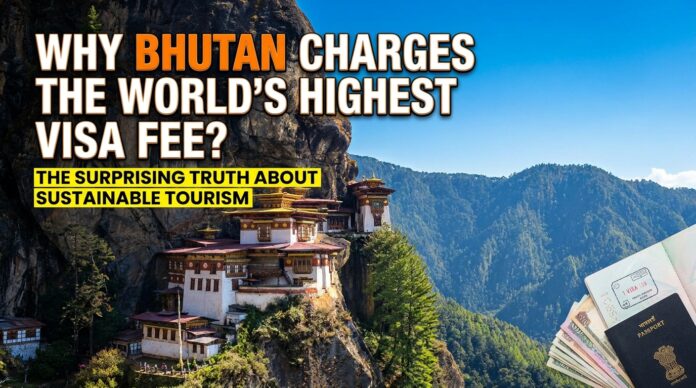
Bhutan charges one of the world’s highest visitor fees because it does not want mass tourism. The country uses a daily Sustainable Development Fee, or SDF, to protect its environment, culture, public services, roads, monasteries, forests, and local communities from the pressure that comes with cheap, high-volume tourism.
The headline often calls it a Bhutan tourist visa fee, but that is not completely accurate. The actual visa application fee is a one-off US$40, while the bigger cost is the SDF of US$100 per adult per day or night of stay, according to Bhutan’s official tourism website. Children get concessions, and Indian tourists follow a different fee structure.
Bhutan Tourist Visa Fee: What Travelers Actually Pay
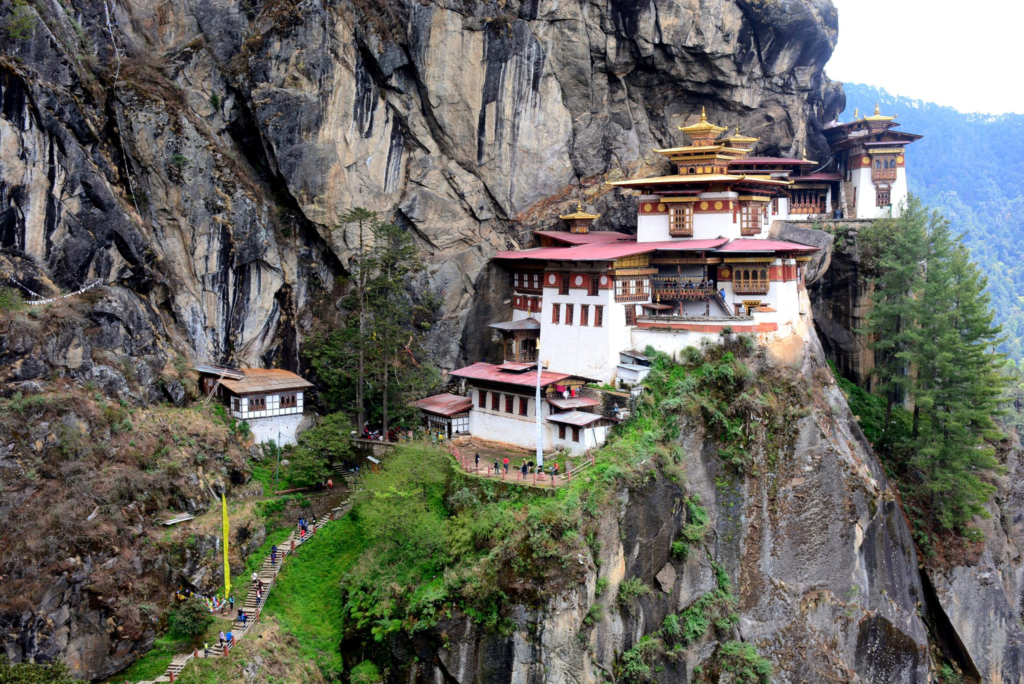
Most international visitors pay two separate charges before entering Bhutan: a US$40 visa fee and a US$100 daily Sustainable Development Fee. The visa fee is the small part. The SDF is the part that makes Bhutan feel expensive before you have booked hotels, guides, meals, flights or transport.
| Traveler type | Main entry cost | What it means |
|---|---|---|
| Most foreign adults | US$40 visa fee + US$100 SDF per night | Paid as part of the visa process |
| Children aged 6 to 12 | 50% SDF discount | Lower daily charge |
| Children aged 5 and under | SDF exempt | No SDF |
| Indian tourists | INR 1,200 per person per night | Permit system, not the same visa process |
| Indian border-town day visitors | Often exempt in selected towns for limited stays | Applies before crossing designated points |
The important takeaway is simple: Bhutan’s high cost is not a surprise airport fee. It is a deliberate travel policy. Visitors are expected to know the price before they arrive and plan the trip with that cost built in.
Also read – 10 Best Balancing Rocks Places in the World to Travel
Why Does Bhutan Charge So Much From Tourists?
Bhutan charges a high visitor fee to attract fewer travelers who stay responsibly and spend meaningfully. This is the country’s long-running “High Value, Low Volume” tourism model. It is designed to avoid the kind of overcrowding seen in fragile destinations where cheap tourism fills streets, temples, beaches and hiking trails faster than local infrastructure can cope.
London Business School explains the model clearly: “High Value” means attracting mindful visitors and stronger revenue per guest, while “Low Volume” means keeping tourist numbers compatible with Bhutan’s environment and infrastructure.
This is why Bhutan feels different from many bucket-list destinations. You do not see endless souvenir strips around every monastery. You do not feel pushed through sacred places like a queue at a theme park. The price works like a filter, but also like a funding tool.
What Is Bhutan’s Sustainable Development Fee Used For?
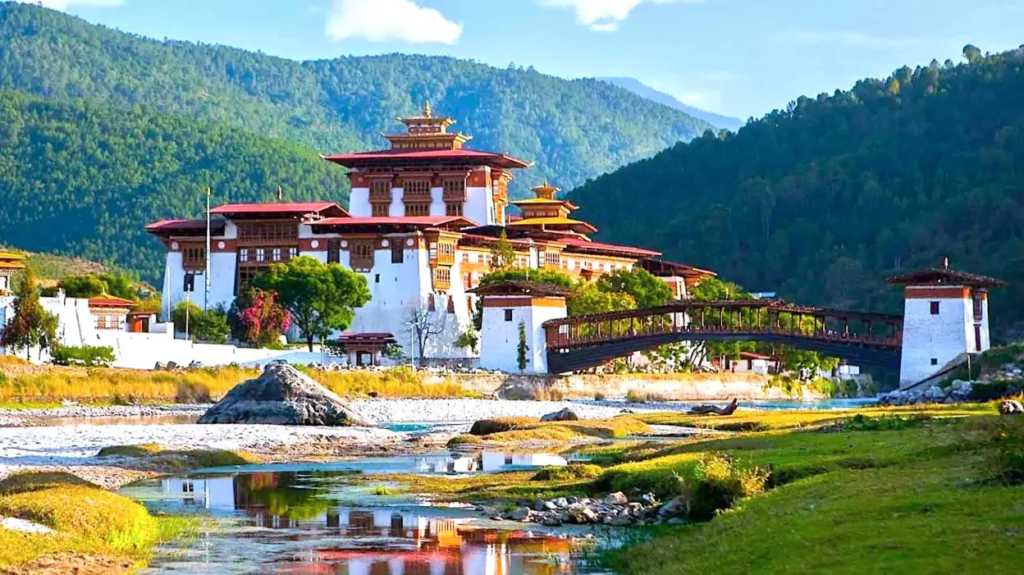
Bhutan says the SDF supports national development, including culture, environment, infrastructure, education, healthcare, youth training, forests, wildlife, clean drinking water and historic dzongs. The official Bhutan tourism site says SDF contributions go into Bhutan’s Consolidated Account and help fund public spending and development priorities.
That matters because tourists often ask: “Where does Bhutan tourist fee money go?”
The clearest answer is:
- Preserving cultural traditions
- Protecting forests and wildlife
- Maintaining historic dzongs and monasteries
- Supporting free healthcare and education
- Improving tourism infrastructure
- Training young people for better jobs
- Keeping visitor pressure manageable
A traveler may only see the fee on a payment page, but on the ground it connects to the experience: cleaner trails, controlled access, better guides, quieter temples, less aggressive selling, and a tourism system that still feels connected to local life.
Also read – 15 Best Places to Stargaze in India in 2026 & 5 My Favourite
Is Bhutan’s Tourist Fee Really the Highest in the World?
Bhutan is among the most expensive countries to enter as a tourist because the SDF is charged daily, not once. A US$100 fee for one night may not sound extreme compared with luxury hotel taxes elsewhere, but on a seven-night trip, it becomes US$700 per adult, before the US$40 visa fee and before normal travel costs.
Here is how the basic government cost can look:
| Trip length | SDF per adult | Visa fee | Total before hotels and flights |
| 3 nights | US$300 | US$40 | US$340 |
| 5 nights | US$500 | US$40 | US$540 |
| 7 nights | US$700 | US$40 | US$740 |
| 10 nights | US$1,000 | US$40 | US$1,040 |
This is why many travelers feel Bhutan is expensive before the trip begins. But Bhutan’s logic is different: it would rather host fewer people who value the place than millions who simply pass through cheaply.
Why Is Bhutan Different From Thailand, Nepal or Bali?
Bhutan is not trying to compete as a cheap Asian holiday destination. That is the main difference. Nepal has budget trekking, Thailand has mass beach tourism, and Bali has global digital-nomad infrastructure. Bhutan has chosen a narrower path: controlled access, cultural protection, guide-supported travel, and fewer casual visitors.
This changes the feeling of a trip. In Bhutan, a normal travel day may include a quiet mountain road, a small local restaurant serving ema datshi, a temple visit where your guide explains what not to photograph, and a slow walk past prayer wheels without being pushed by a crowd.
That slower rhythm is part of what the fee protects.
Is Bhutan Worth the US$100 Daily Fee?
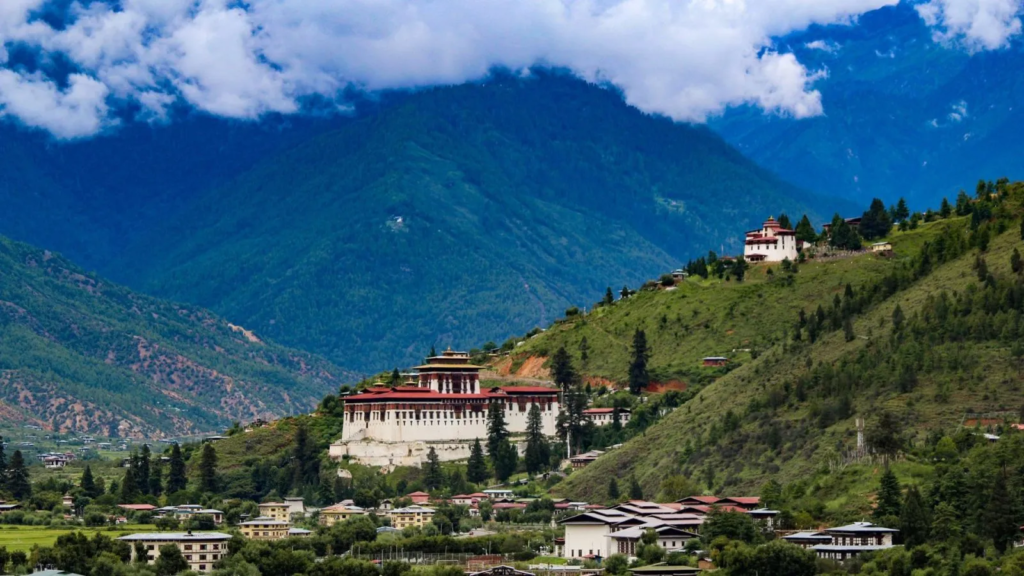
Bhutan is worth the fee for travelers who want nature, culture, silence, mountain scenery, monasteries, guided learning and a destination that has not been built around mass tourism. It may not feel worth it for travelers who mainly want nightlife, shopping, low-cost backpacking or a fast weekend stamp in the passport.
A practical way to decide:
| Bhutan is worth it if you want… | Bhutan may not suit you if you want… |
| Monasteries, dzongs and Buddhist culture | Cheap nightlife and casual party travel |
| Quiet hiking and mountain views | Ultra-budget backpacking |
| Guided local context | Fully independent low-cost travel |
| Clean, controlled tourism | Spontaneous city hopping |
| A slower, reflective trip | Packed attraction lists |
The best Bhutan trips are not rushed. If you are paying the daily SDF, do not waste the journey by squeezing everything into three frantic days. A five to seven-night itinerary usually gives better value because you can experience Paro, Thimphu, Punakha and at least one quieter valley without turning every day into a road race.
Also read – Tripadvisor’s Most Popular Summer Destinations for 2026
Bhutan Travel Cost Tip: How to Make the Fee Feel Worth It
The smartest way to make Bhutan’s fee worth it is to plan fewer stops and deeper experiences. Do not chase every valley just because you are already paying the SDF. Road travel in Bhutan is beautiful, but mountain roads take time, and a rushed itinerary can make the country feel expensive and tiring.
Use these practical tips:
- Stay at least five nights if your budget allows. Three nights can feel too short after the visa, SDF and flight cost.
- Choose a certified local guide carefully. A good guide changes the trip from sightseeing to understanding.
- Ask for village meals, not only hotel buffets. Bhutan’s food culture is simple, spicy and memorable.
- Add one slow morning. A quiet walk in Punakha or Paro often becomes more meaningful than another rushed monument.
- Do not overpack the itinerary. The country rewards patience.
A small on-ground detail: carry modest clothing for monasteries. Long sleeves, covered legs, and easy-to-remove shoes save awkward moments at temple entrances. Bhutan is welcoming, but sacred places are not photo sets.
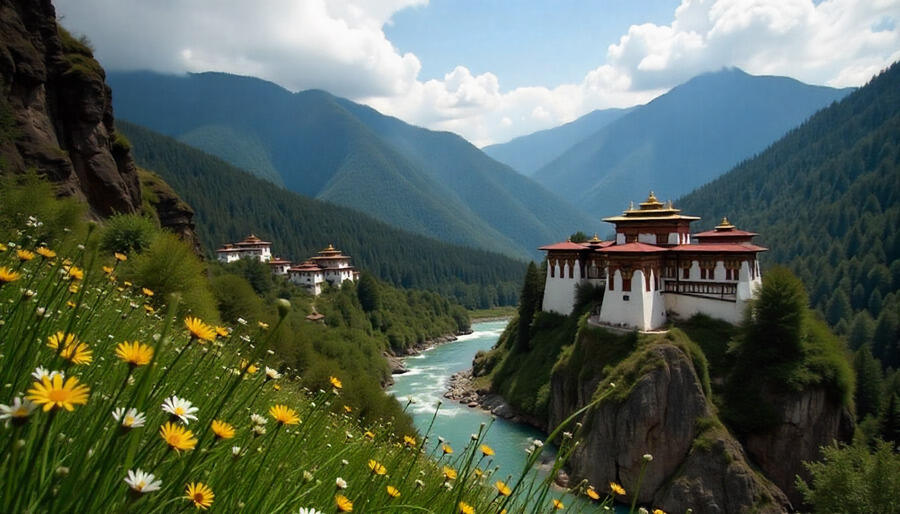
Why Do Indian Tourists Pay Less in Bhutan?
Indian tourists pay a lower SDF because Bhutan has a special regional travel relationship with India. Indian visitors currently pay INR 1,200 per person per night, while children aged 6 to 12 get a 50% concession and children aged 5 and below are exempt. The Indian Consulate in Phuentsholing also notes that tourists visiting certain border towns such as Phuentsholing, Gelephu, Samtse and Samdrup Jongkhar for 24 hours need not pay the SDF.
Indian-registered vehicles are also subject to specific rules. If a vehicle travels beyond the designated zone near Phuentsholing, a Nu 4,500 per day Green Tax applies, according to the same official guidance.
Bhutan Entry Rules: What To Check Before Booking
Travelers should check visa, passport, guide and permit rules before buying flights. The U.S. State Department says the passport should be valid for at least six months past arrival, the visa fee is US$40, and travel outside Paro or Thimphu requires an accredited guide.
The UK government also advises travelers that Bhutan requires a visa in advance, with pre-approval before arrival, and that some areas need permits.
Before booking, check:
- Passport validity
- Visa or permit process
- SDF amount for your nationality
- Whether children qualify for discounts
- Guide requirement outside Paro and Thimphu
- Hotel certification
- Cancellation rules for SDF refunds
- Flight availability into Paro
Final Answer: Why Bhutan Charges Tourists So Much
Bhutan charges a high tourist fee because it has chosen protection over popularity. The country is small, mountainous, culturally sensitive and environmentally fragile. A cheap mass-tourism model could bring quick money, but it could also crowd monasteries, strain roads, dilute local culture, and damage the natural calm that makes Bhutan special.
The SDF is not just a fee. It is Bhutan’s way of saying: come with intention, stay respectfully, contribute directly, and leave the country better protected for the next visitor.
For the right traveler, that is not a barrier. It is part of the reason Bhutan still feels rare.

